
Photos from current listings. Actual item, color, and included accessories may vary.
Fiio Headphone Amplifier Buying Guide
FiiO headphone amplifiers span portable USB dongles to desktop balanced DAC/amps, unified by clean implementation of DAC chips and user-selectable gain. The core trade-off is power delivery and output architecture: single-ended 3.5mm versus true balanced 4.4mm/2.5mm, which doubles voltage swing for high-impedance loads. Choose by headphone impedance and source needs—not by marketing wattage—to separate genuinely capable desktop units from underpowered portables.
Median $349.99 · New & pre-owned listings
Key takeaways
- Balanced 4.4mm outputs deliver roughly 2x the voltage swing of single-ended 3.5mm, materially improving dynamics on 250-600 ohm headphones
- Desktop tiers (K-series) use mains power and discrete/THX amp stages; portables (Q-series, BTR) rely on battery or USB bus power, capping sustained output
- DAC chip tier separates models: ESS ES9038Q2M/ES9068AS and AKM AK4493/4499 offer higher SNR and DSD256+ versus entry Cirrus Logic implementations
At a glance
- Category
- DACs & Headphone Amplifiers
- Last updated
- Nov 25, 2026
Current offers
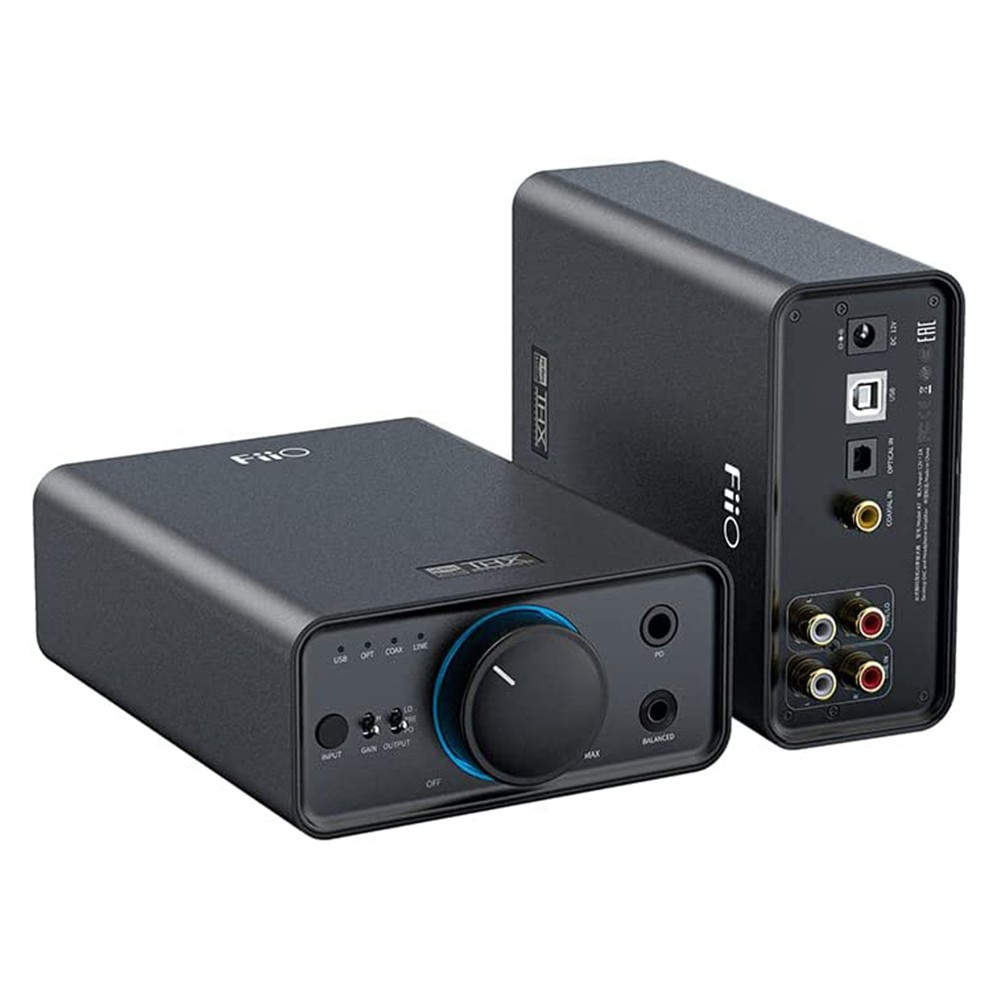 FiiO K7 Full Balanced HiFi DAC Headphone Amplifier$179.99View on eBay
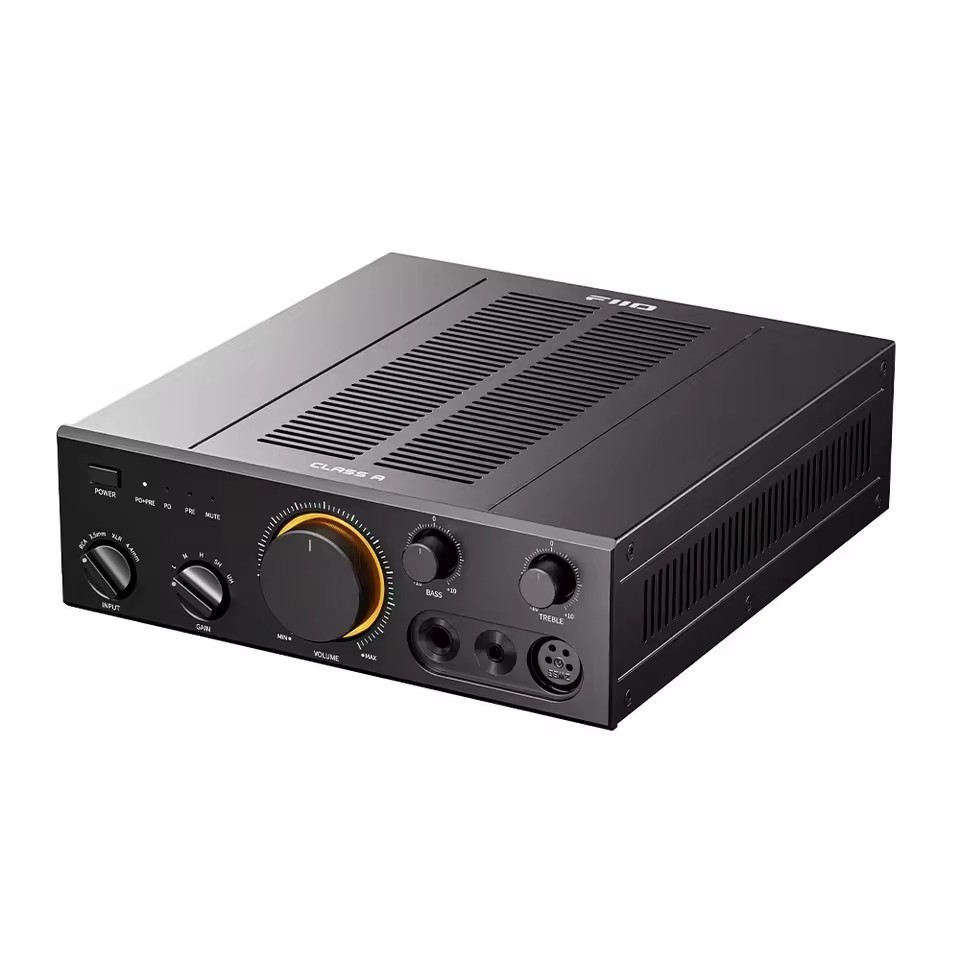 FiiO Class A Desktop Headphone Amplifier HiFi Preamp BLACK Free Ship to CONUS$349.99New · Last checked Nov 21, 2026View on eBay
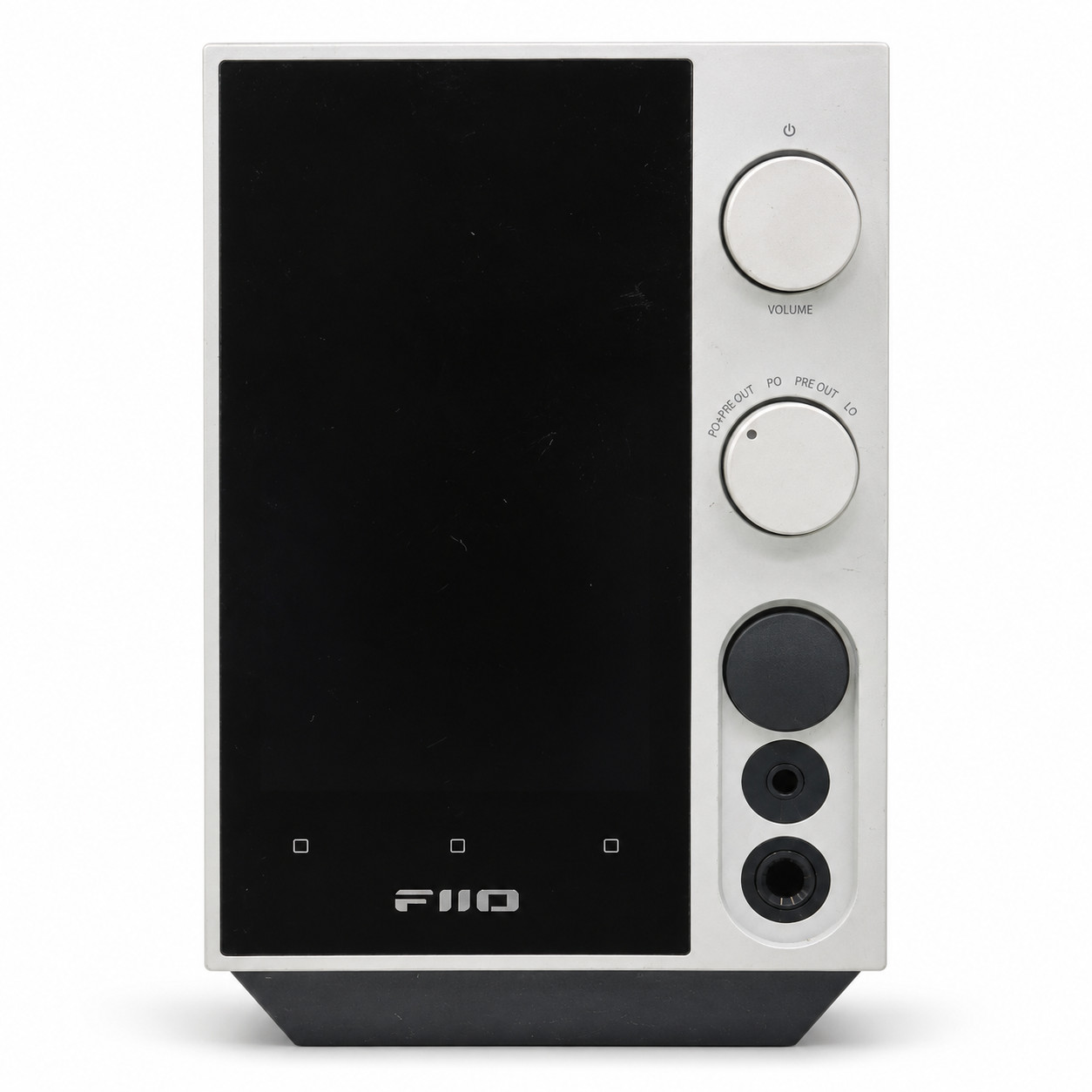 FiiO R7 Desktop Music Streamer DAC Headphone Amplifier White - Working$499.00Used · Last checked Nov 21, 2026View on eBay
Highlights
- Balanced 4.4mm outputs deliver roughly 2x the voltage swing of single-ended 3.5mm, materially improving dynamics on 250-600 ohm headphones
- Desktop tiers (K-series) use mains power and discrete/THX amp stages; portables (Q-series, BTR) rely on battery or USB bus power, capping sustained output
- DAC chip tier separates models: ESS ES9038Q2M/ES9068AS and AKM AK4493/4499 offer higher SNR and DSD256+ versus entry Cirrus Logic implementations
- Selectable gain (low/medium/high) plus balanced output is the decisive feature for driving planar magnetics and high-impedance dynamic headphones
Best use cases
- Pick a desktop balanced unit (K7/K9 class) if you own 250-600 ohm dynamic or planar headphones and want 4.4mm/6.35mm outputs with mains-powered headroom.
- Pick a portable USB dongle (KA-series) only for IEMs and efficient headphones under ~32 ohm; skip it for planar or high-impedance loads where current delivery falls short.
- Pick a Bluetooth receiver/amp (BTR-series) for wireless convenience with wired IEMs; avoid it as the primary amp for critical desktop listening or hard-to-drive cans.
- Skip battery-powered portables entirely if your headphones need more than ~1W into 32 ohm; step up to a mains-powered desktop amplifier stage.
Buying tips
- Match amplifier voltage to headphone impedance: 16-32 ohm IEMs need current, while 250-600 ohm dynamics need voltage—balanced output roughly doubles available swing.
- Insist on a true balanced 4.4mm or 2.5mm output if using planar magnetics; single-ended 3.5mm on compact dongles typically caps around 100-150mW and can clip.
- Check DAC chip and supported formats: ES9038Q2M or AK4493 class handles DSD256/PCM384; entry chips may cap at DSD128 or PCM192.
- For desktop use, confirm mains power or a high-current USB-C bus; bus-powered dongles drop output on phones and low-power laptop ports.
Specs
| Amp Class | Desktop mains vs portable battery/USB |
|---|---|
| Balanced Output | 4.4mm / 2.5mm vs 3.5mm SE only |
| DAC Chip Tier | ESS/AKM vs entry Cirrus Logic |
| Max Format | DSD256/PCM384 vs DSD128/PCM192 |
Related searches
What to check before buying
- Headphone impedance and sensitivity: list ohm and dB/mW—if under 100dB/mW and over 150 ohm, require balanced desktop output.
- Source outputs: confirm your phone/PC has USB-C or USB-A and whether you need coaxial/optical inputs for a TV or console.
- Connector standard: verify your headphone cable terminates in 3.5mm, 4.4mm, or 2.5mm; adapters add contact resistance and may not be balanced.
- Physical space and power: desktop units need a free mains outlet and clearance for heat; portable dongles must not block adjacent ports.
FAQ
Data sources: eBay / Amazon listings and product attribute feeds. Updated Nov 25, 2026.
Some links on this page are affiliate links. If you buy after clicking one, we may earn a commission at no extra cost to you. This does not change which products appear here or their order. Affiliate disclosure.