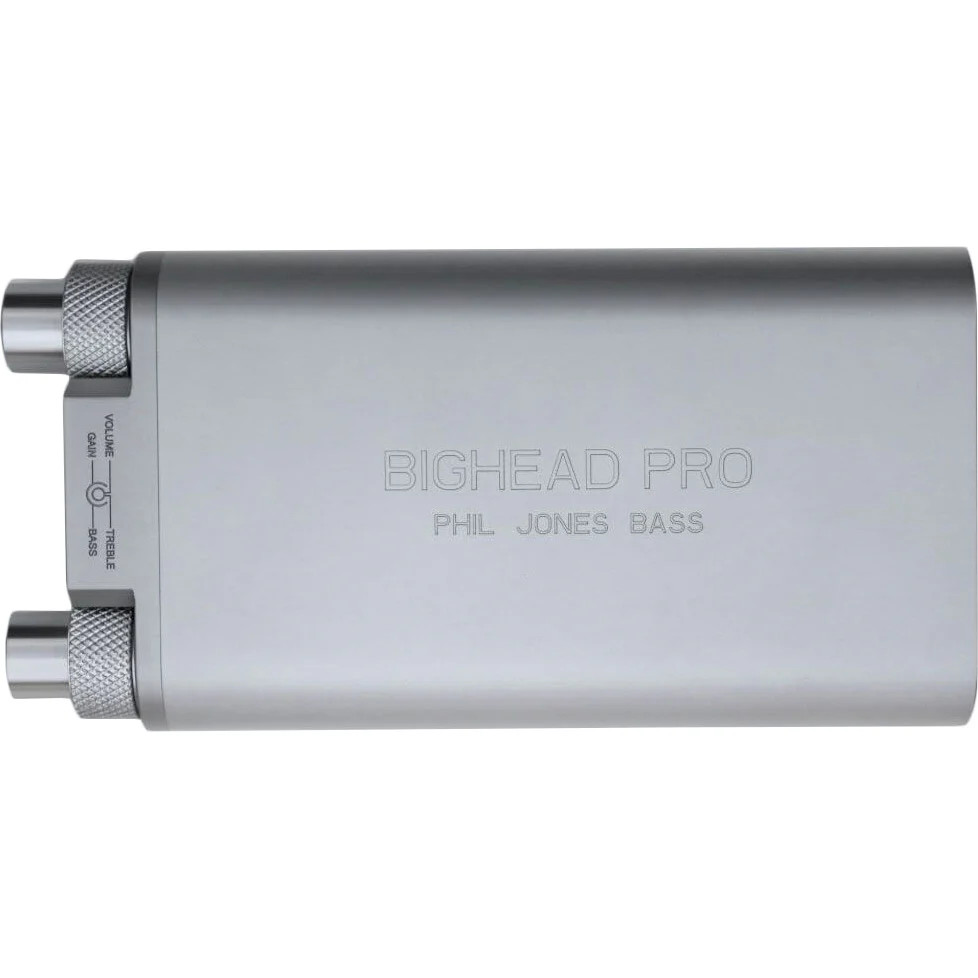

Photos from current listings. Actual item, color, and included accessories may vary.
Bass Headphone Amp Buying Guide
A bass headphone amp is a dedicated amplifier or DAC/amp combo tuned to deliver elevated low-frequency output with enough current to control high-impedance or low-sensitivity headphones. The core trade-off is clean power delivery versus artificial bass boost: true bass amps use high-current discrete or Class A/AB stages, while cheap units rely on EQ gimmicks that distort. The decision rule is simple: buy an amp with published power output at your headphone's impedance and a real bass EQ or shelf filter; skip any unit that only advertises 'deep bass' without wattage or tone-control specs.
Key takeaways
- Bass performance is determined by current delivery at low frequencies, not wattage alone; a 1W amp into 32 ohms with a strong power supply outperforms a 3W amp with a weak rail.
- Class A and Class AB discrete output stages control woofer-like headphone drivers better than cheap Class D op-amp designs, especially under 60 Hz where damping factor matters.
- Hardware bass boost circuits (shelf filters around 80-100 Hz) preserve midrange clarity; software EQ boosts often clip the DAC input and add distortion.
At a glance
- Category
- DACs & Headphone Amplifiers
- Last updated
- Nov 25, 2026
Current offers
Highlights
- Bass performance is determined by current delivery at low frequencies, not wattage alone; a 1W amp into 32 ohms with a strong power supply outperforms a 3W amp with a weak rail.
- Class A and Class AB discrete output stages control woofer-like headphone drivers better than cheap Class D op-amp designs, especially under 60 Hz where damping factor matters.
- Hardware bass boost circuits (shelf filters around 80-100 Hz) preserve midrange clarity; software EQ boosts often clip the DAC input and add distortion.
- DAC/amp combos with a dedicated bass gain switch or dual EQ profiles let you add 6-10 dB of low-end without sacrificing headroom for dynamic peaks.
Best use cases
- Best fit: planar magnetic or high-impedance dynamic headphones (250-600 ohms) that sound thin on phone output — choose a desktop amp with at least 500 mW at 300 ohms and a hardware bass shelf.
- Best fit: bass-heavy genres (hip-hop, EDM, reggae) on low-impedance IEMs or closed-back headphones — pick a portable DAC/amp with a dedicated bass boost switch and low output impedance under 2 ohms.
- Wrong fit: studio monitoring or critical mixing — skip bass-boost amps entirely; use a flat-referenceamp because added low-end ruins mix translation.
- Wrong fit: 600-ohm headphones with a bus-powered portable amp — skip USB-only dongles; they cannot supply the voltage swing needed for bass transients at high volume.
Buying tips
- Match power to impedance: for 300-ohm headphones, demand at least 15 V peak-to-peak swing or 500 mW; for 32-ohm low-sensitivity planars, demand 2 W or more.
- Choose a hardware bass shelf (80-100 Hz, +6 to +10 dB) over a 'bass boost' button that only works via app EQ — hardware shelves work with any source.
- Check output impedance: keep it under 1/8 of your headphone impedance (e.g., under 4 ohms for 32-ohm cans) to avoid bloated, muddy bass from damping loss.
- Prefer amps with a linear power supply or dual-rail battery design over single-rail USB bus power; voltage sag under bass transients causes clipping and thin low-end.
Specs
| Amp Class | Class A / AB / D (discrete vs op-amp) |
|---|---|
| Bass Boost Type | Hardware shelf vs software EQ |
| Power at 300 ohms | 500 mW+ desktop / 100 mW portable |
| Output Impedance | Under 2 ohms (IEM) / under 4 ohms |
Related searches
What to check before buying
- Measure your headphone impedance and sensitivity from its spec sheet — if impedance is above 150 ohms or sensitivity below 100 dB/mW, you need a desktop-class amp, not a dongle.
- Check your source output: a phone or laptop 3.5mm jack feeding an amp should be set to 80-100% volume to avoid double-amping noise; a USB or optical input bypasses the source DAC entirely.
- Confirm the amp's bass boost frequency and gain: a +10 dB shelf at 100 Hz suits most bass lovers, but +15 dB at 50 Hz can overpower small drivers and cause distortion.
- Verify plug and voltage standards: desktop amps need a grounded outlet or 5V/9V/12V DC input; portable amps should charge via USB-C and run at least 8 hours per charge for commute use.
FAQ
Data sources: eBay / Amazon listings and product attribute feeds. Updated Nov 25, 2026.
Some links on this page are affiliate links. If you buy after clicking one, we may earn a commission at no extra cost to you. This does not change which products appear here or their order. Affiliate disclosure.