
Photos from current listings. Actual item, color, and included accessories may vary.
Balanced Headphone Amp Buying Guide
A balanced headphone amp uses discrete left/right signal paths (or a bridged differential topology) to double voltage swing and reject common-mode noise, typically delivering 2-4x the power of a single-ended output at the same gain. The core trade-off is not 'balanced = better' but whether the amp is truly differential end-to-end (dual DACs or dual mono amp boards) versus a single-ended design with a cosmetic 4-pin XLR/4.4mm jack. The decision rule: buy a balanced amp only if it has independent L/R amplification stages or a bridged output stage AND your headphones are wired for balanced operation (separate ground or no shared ground).
Median $167.49 · Pre-owned listings
Key takeaways
- True balanced topology requires two independent amplifier channels per side (4 amp channels total) or a bridged BTL output; a 3.5mm/6.35mm shared-ground jack on the same amp means the balanced out is genuine only if switching relays isolate the single-ended paths.
- 4.4mm Pentaconn and 4-pin XLR are the two standard balanced headphone connectors; 2.5mm TRRS is legacy and fragile—prefer 4.4mm for portability and XLR for desktop chains.
- Balanced output power typically doubles vs single-ended on the same amp (e.g., 1.2W single-ended to 2.4W balanced at 32Ω), but only if the power supply and amp rails support it—look for published mW figures at 32Ω and 300Ω for both outputs.
At a glance
- Category
- DACs & Headphone Amplifiers
- Last updated
- Nov 25, 2026
Current offers
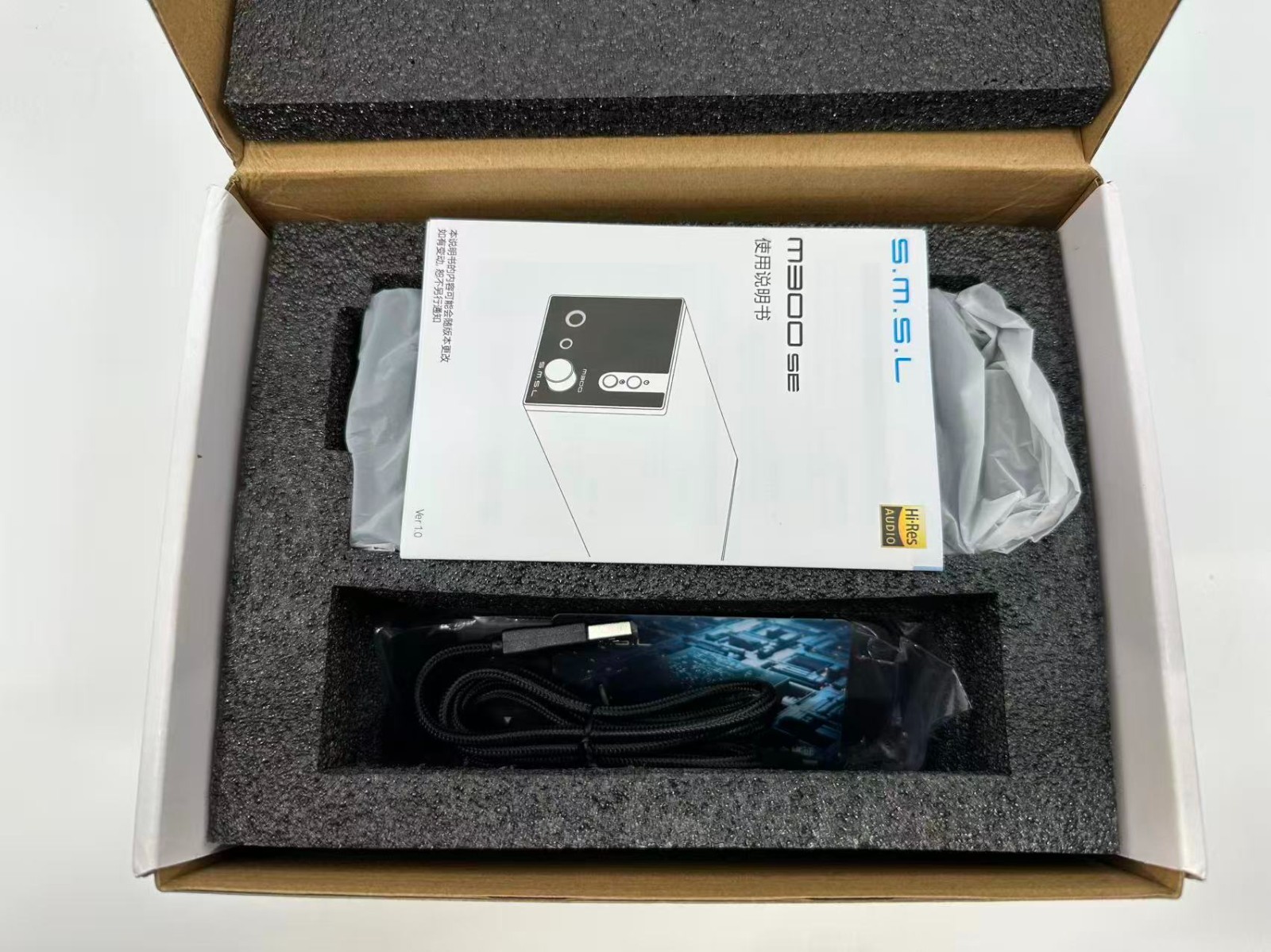 USB DAC Balanced Headphone Amplifier Bluetooth with Remote SMSL M300SE$120.00View on eBay
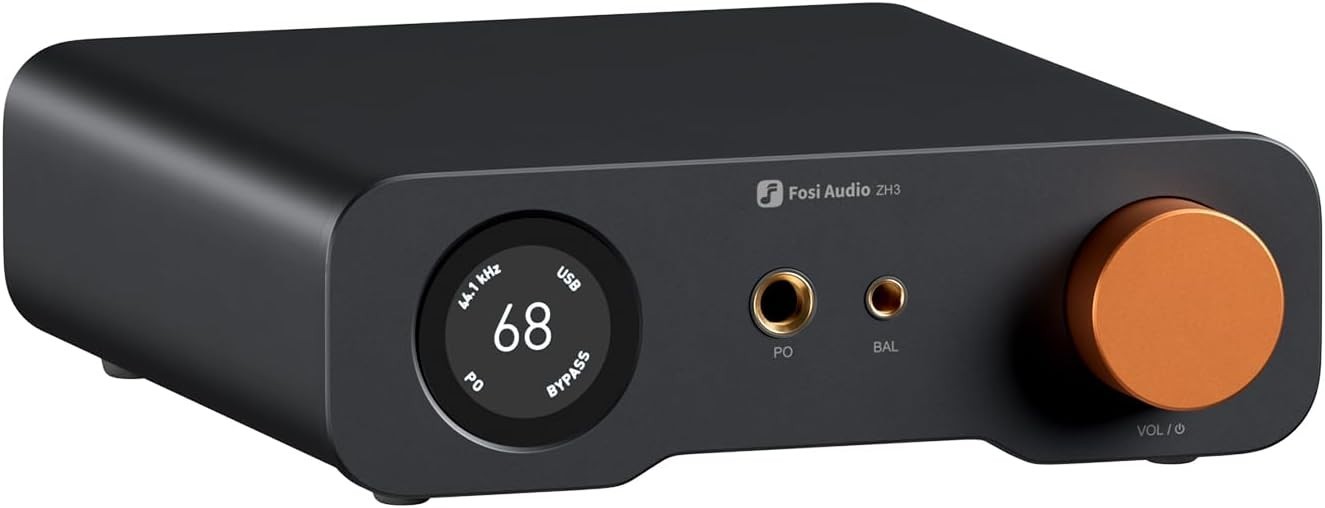 *Missing Remote* Fosi Audio ZH3 DAC Headphone Amp, 4-in 4-out Balanced Preamp$154.99View on eBay
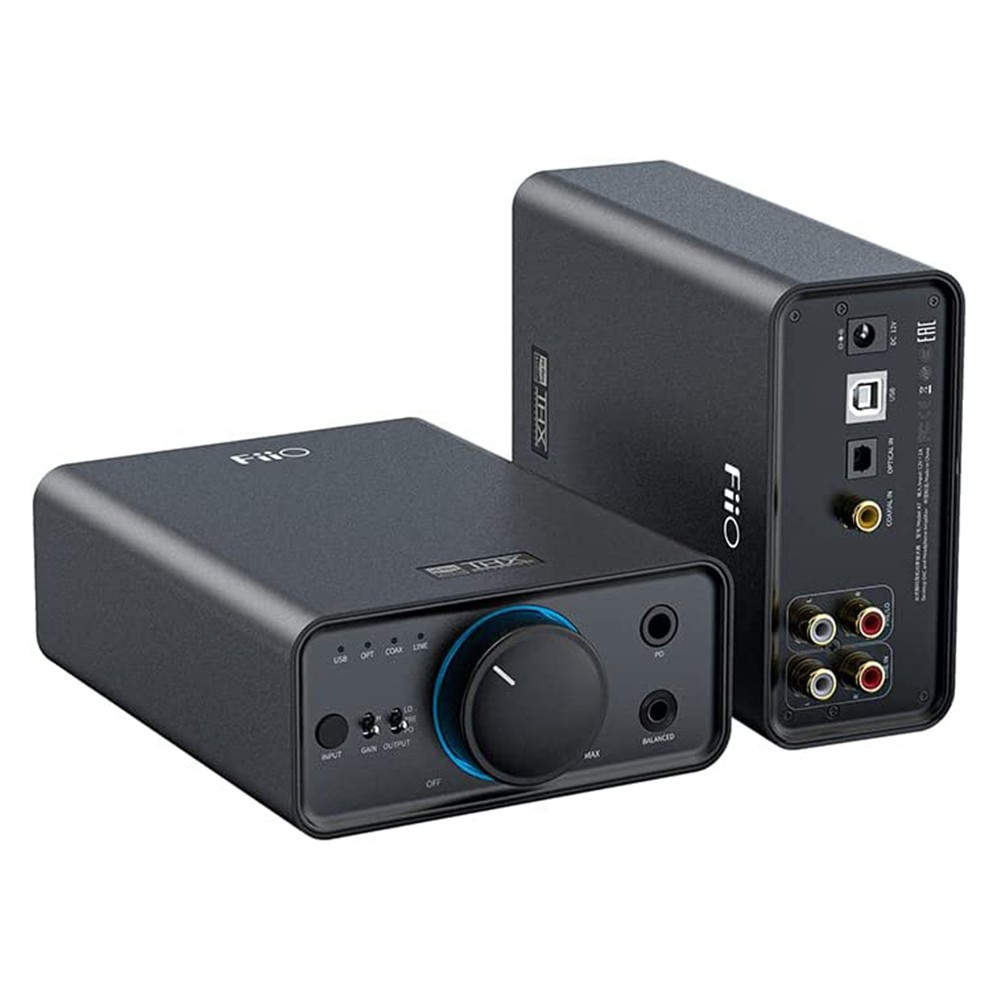 FiiO K7 Full Balanced HiFi DAC Headphone Amplifier$179.99View on eBay
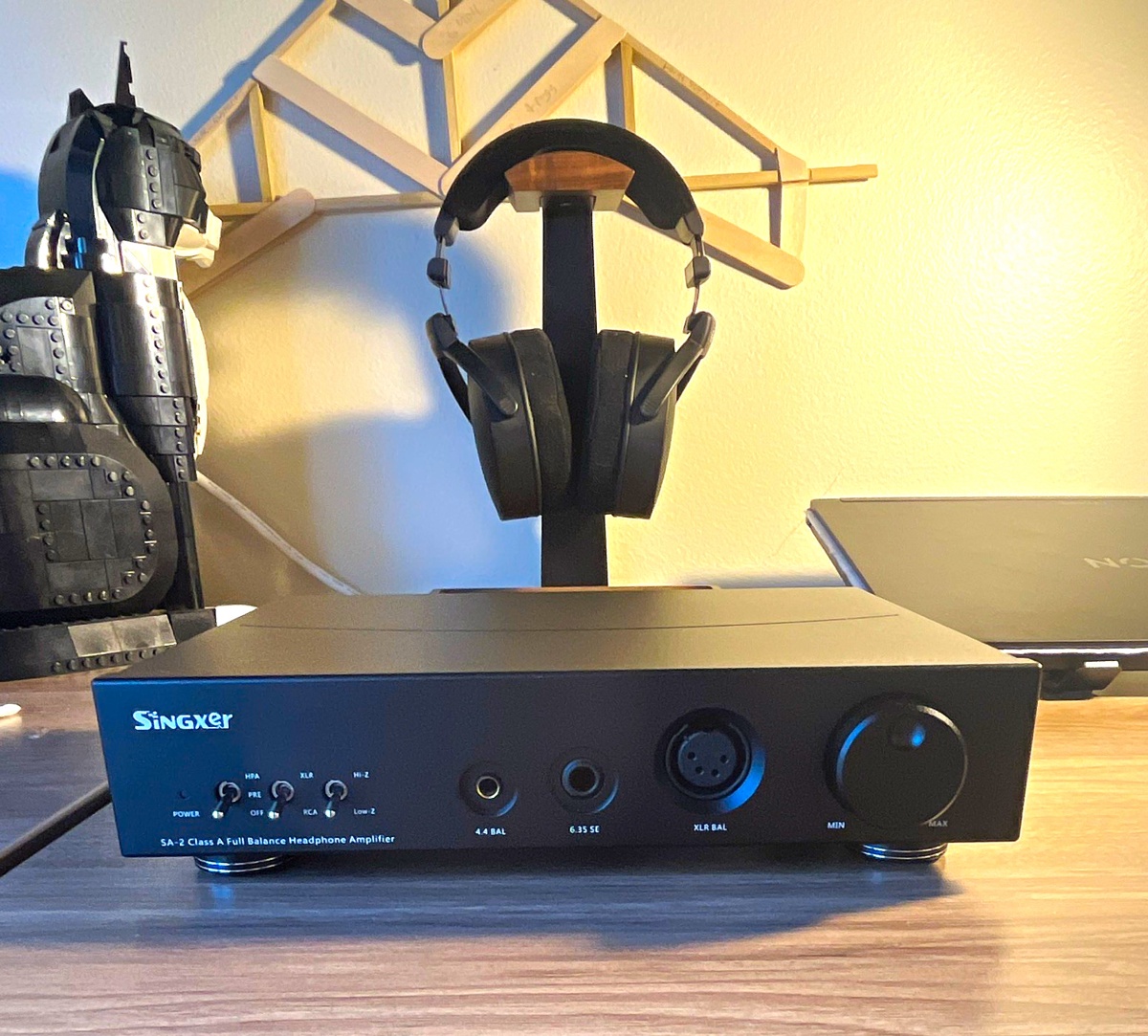 Singxer SA-2 Class A Discrete Fully Balanced Headphone Amplifier$400.00Open box · Last checked Nov 21, 2026View on eBay
Highlights
- True balanced topology requires two independent amplifier channels per side (4 amp channels total) or a bridged BTL output; a 3.5mm/6.35mm shared-ground jack on the same amp means the balanced out is genuine only if switching relays isolate the single-ended paths.
- 4.4mm Pentaconn and 4-pin XLR are the two standard balanced headphone connectors; 2.5mm TRRS is legacy and fragile—prefer 4.4mm for portability and XLR for desktop chains.
- Balanced output power typically doubles vs single-ended on the same amp (e.g., 1.2W single-ended to 2.4W balanced at 32Ω), but only if the power supply and amp rails support it—look for published mW figures at 32Ω and 300Ω for both outputs.
- THD+N below 0.001% and SNR above 110dB (A-weighted) indicate a clean differential design; cheap 'balanced' amps often show rising distortion above 1kHz on the balanced jack due to shared-ground summing errors.
Best use cases
- Pick a true differential desktop amp (dual mono DAC + 4-pin XLR) if you run planar magnetic headphones under 100dB/mW sensitivity—they need the voltage swing and current headroom balanced topology provides.
- Skip balanced entirely for efficient dynamic headphones (over 105dB/mW) and IEMs—a clean single-ended 6.35mm output at under 1Ω output impedance is quieter and sufficient.
- Choose a 4.4mm Pentaconn-capable portable/desktop hybrid if you swap between a laptop and a DAP; avoid 2.5mm TRRS unless all your cables are already terminated that way.
- Do not buy a balanced amp to 'fix' hiss on sensitive IEMs—balanced output raises gain and noise floor; use single-ended low-gain mode instead.
Buying tips
- Confirm the amp has separate left and right amp boards or a bridged output stage—not just a 4.4mm jack fed from a single-ended internal path; look for 'fully balanced' or 'dual mono' in the architecture description.
- Match output impedance to headphone impedance: balanced outputs often have higher output impedance (1-10Ω); for multi-driver IEMs keep it under 1Ω to avoid frequency response shifts.
- Check published power at both 32Ω and 300Ω on the balanced jack; a true balanced amp should show at least 2x the 32Ω single-ended wattage and stable 300Ω delivery above 100mW.
- Prefer amps with a physical output selector relay (single-ended vs balanced) to prevent ground-loop noise when both jacks are populated simultaneously.
Specs
| Amp Topology | True differential vs single-ended |
|---|---|
| Balanced Connectors | 4.4mm Pentaconn / 4-pin XLR |
| Power Output | mW @ 32Ω and 300Ω, balanced |
| Output Impedance | Under 1Ω ideal for IEMs |
Related searches
What to check before buying
- Verify your headphone cable is genuinely balanced: 4.4mm or 4-pin XLR with no shared ground sleeve—a 3.5mm-to-4.4mm adapter does NOT create a balanced connection.
- Measure your desk or rack space: desktop balanced amps typically run 20-30cm wide and need 5-8cm clearance above for Class A bias heat dissipation.
- Confirm mains voltage and plug type match your region (120V/60Hz US vs 230V/50Hz EU) and that the external power supply is included—many balanced amps use 12-24V DC bricks.
- Check that your DAC or source has a balanced output (XLR or 4.4mm line-out) if you intend to feed the amp balanced; single-ended RCA input will bypass the differential input stage.
FAQ
Data sources: eBay / Amazon listings and product attribute feeds. Updated Nov 25, 2026.
Some links on this page are affiliate links. If you buy after clicking one, we may earn a commission at no extra cost to you. This does not change which products appear here or their order. Affiliate disclosure.