
Photos from current listings. Actual item, color, and included accessories may vary.
Sim Rig Buying Guide
A sim rig is the chassis and mount system that rigidly locates your wheelbase, pedals, and seat for consistent force feedback and braking. The core trade-off is frame rigidity and adjustability versus footprint and cost: flex under load destroys pedal modulation and wheel detail. The decision rule is simple: buy a welded or extrusion-aluminum frame rated for your wheelbase torque and pedal load, and skip any foldable or tubular entry rig if you run a direct-drive wheel or load-cell brake.
Median $259.99
Key takeaways
- Frame architecture: 8020-style aluminum extrusion (40x40 mm and up) or welded steel tubing delivers the torsional rigidity direct-drive wheels and load-cell pedals require; thin tubular or foldable frames flex and blunt feedback.
- Wheelbase load tier: belt-driven wheels (5-8 Nm) work on mid-tier rigs; direct-drive units (8-25+ Nm) demand reinforced extrusion or steel with a dedicated wheel deck and no plastic quick-release joints.
- Pedal mounting: load-cell brakes need a rigid, separately braced pedal plate bolted to the frame—not a flexing deck shared with the wheel—to preserve consistent brake pressure.
At a glance
- Category
- Sim Racing Cockpits & Mounts
- Last updated
- Nov 27, 2026
Current offers
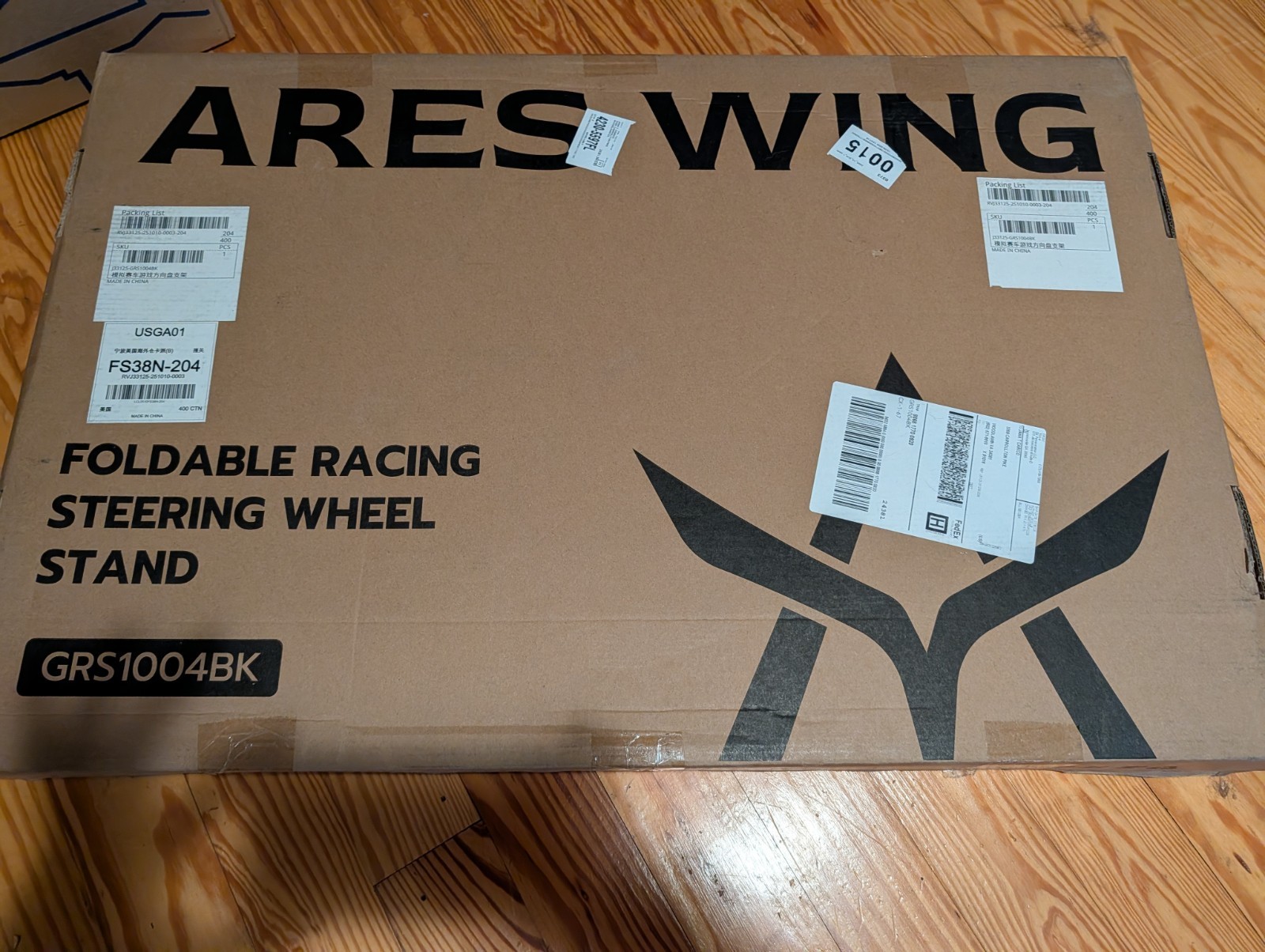 Foldable Sim Racing Wheel Stand Cockpit for Logitech Fanatec Thrustmaster$75.00View on eBay
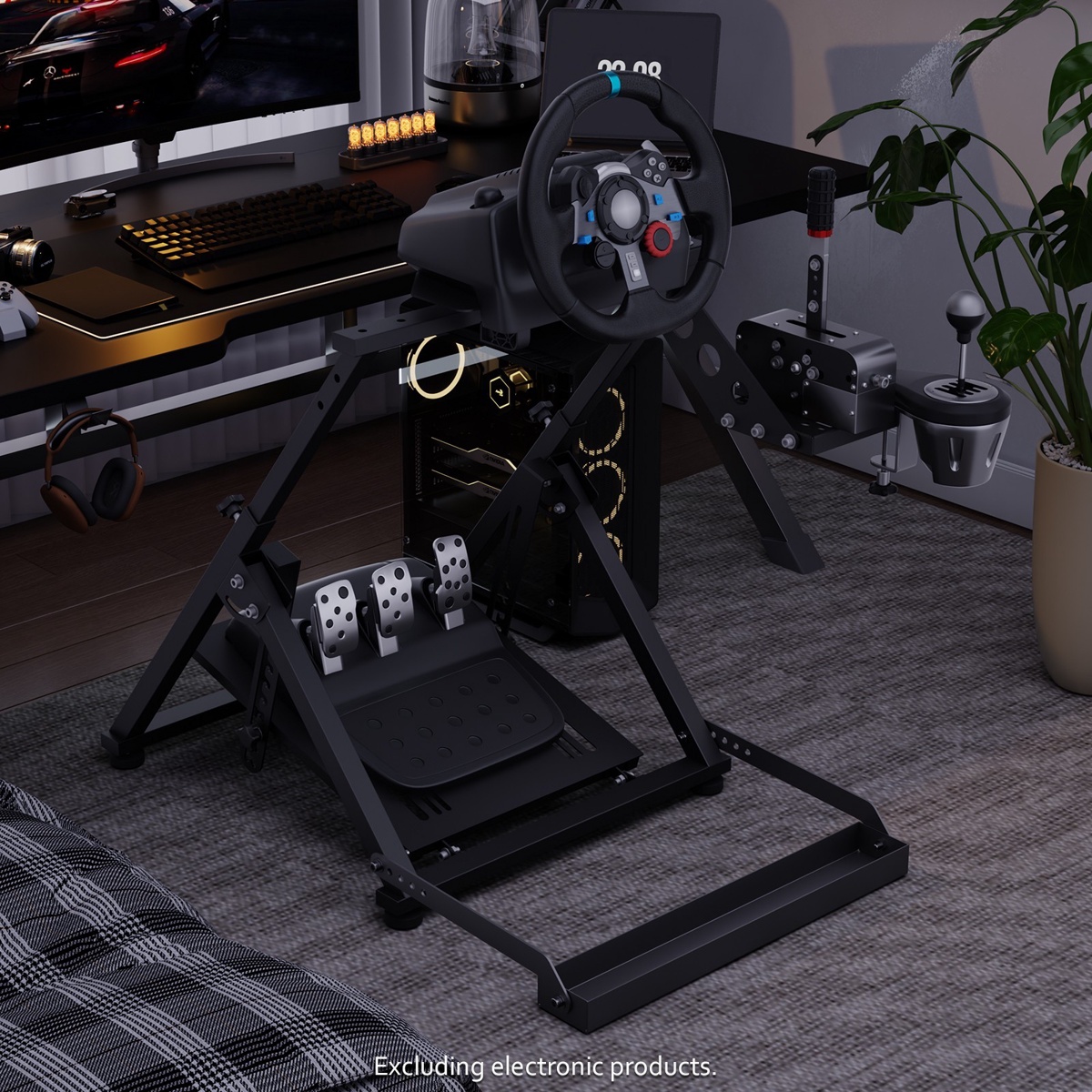 Hottoby Steering Racing Wheel Stand Foldable Sim Cockpit Fits Logitech G920 G923$105.99View on eBay
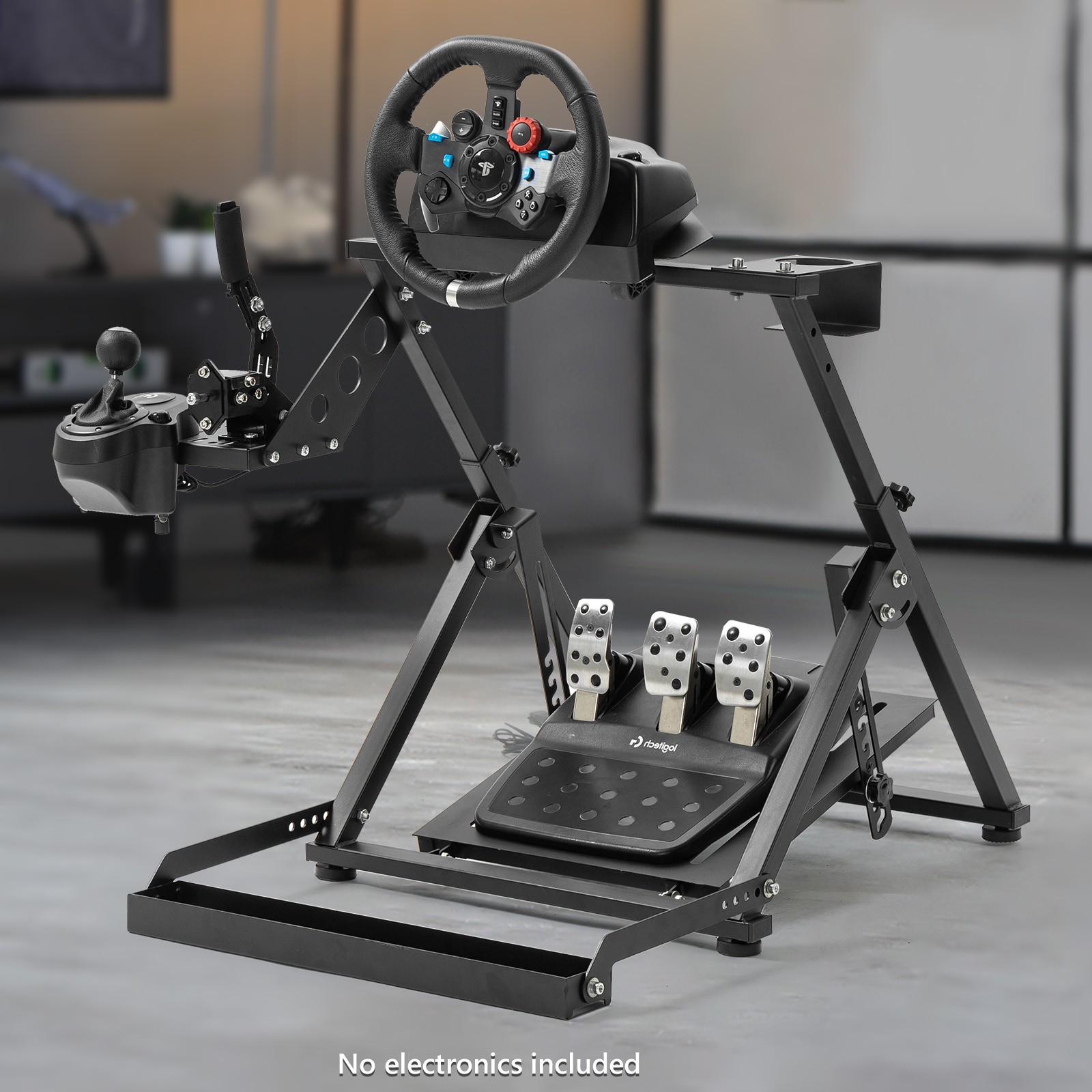 Marada Racing Wheel Stand Sim Adjustable Cockpit Alloy Fits Logitech G920 G923$109.99View on eBay
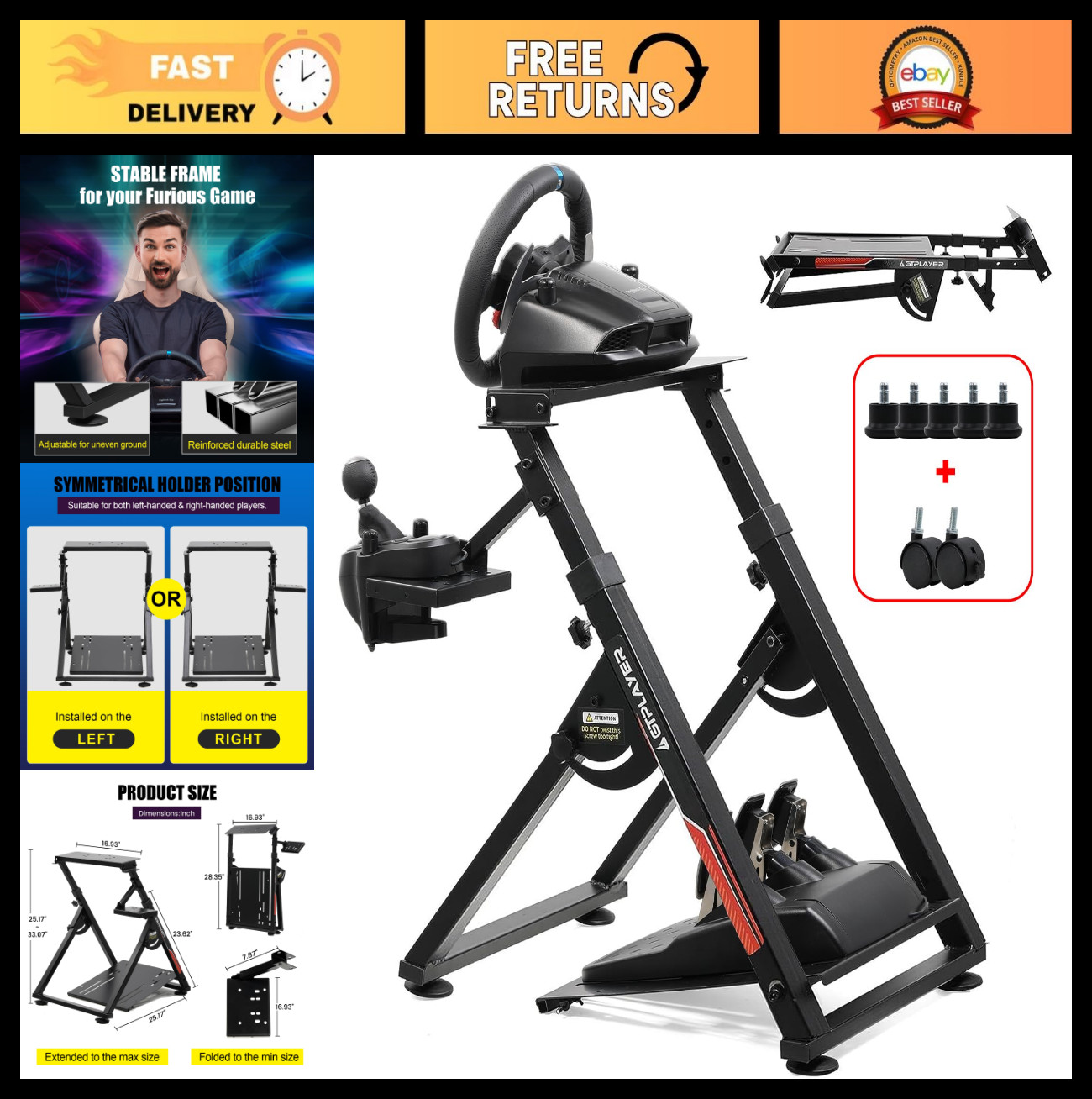 Adjustable Sim Racing Wheel Stand Cockpit for Logitech & Thrustmaster - Black$119.69View on eBay
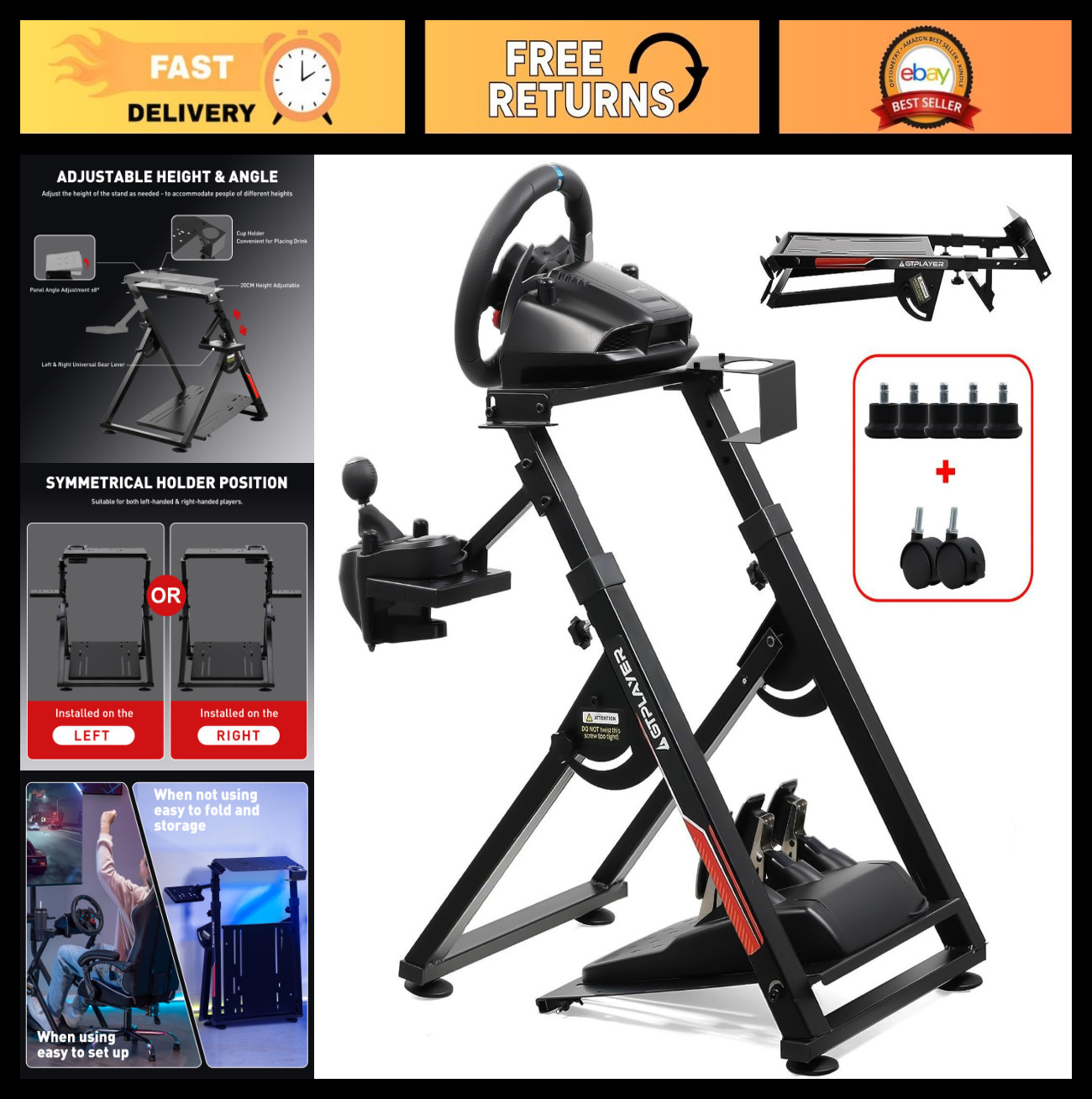 Sim Racing Wheel Stand Cockpit for Logitech & Thrustmaster - Adjustable, Deep Bl$147.24View on eBay
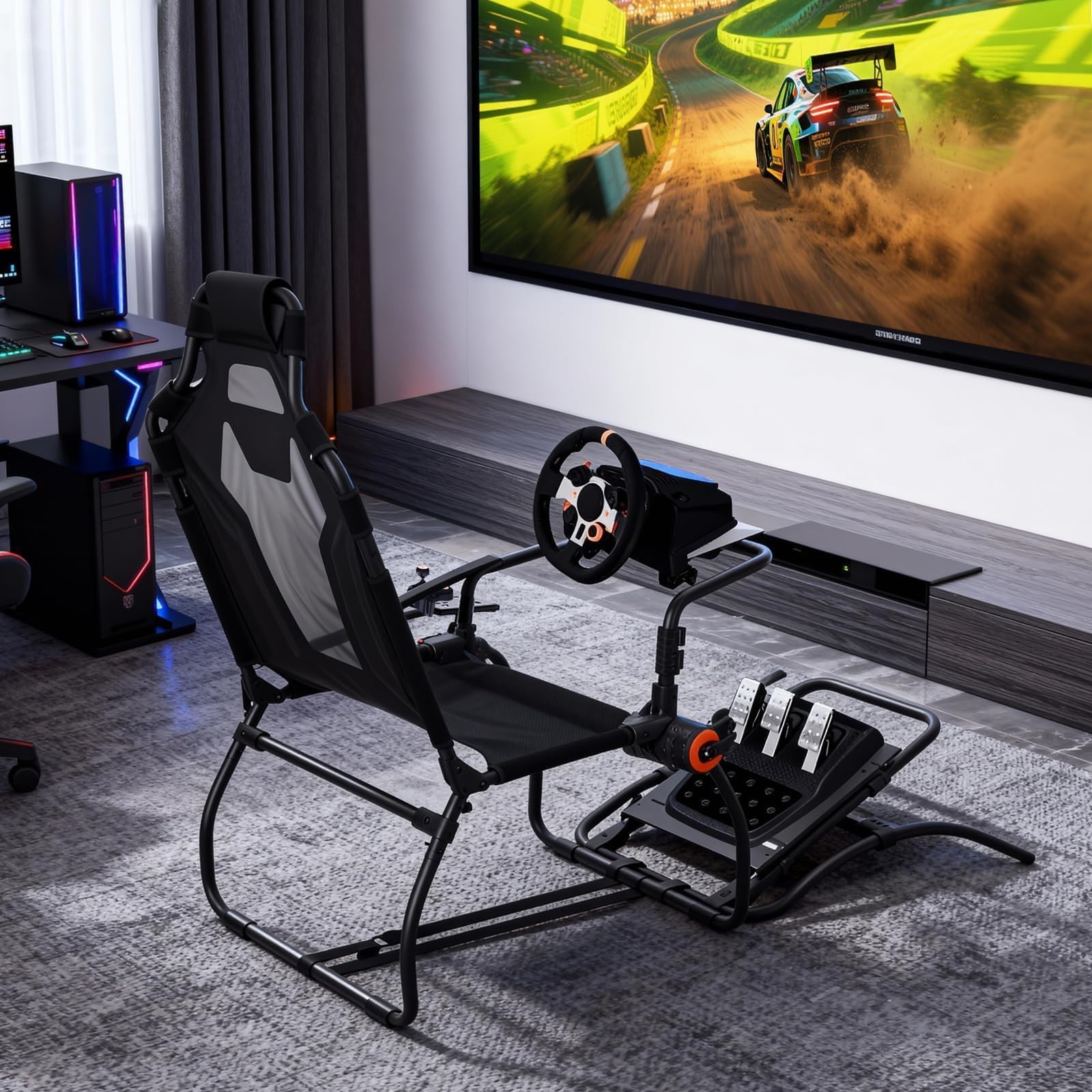 Racing Wheel Stand Sim Racing Simulator Cockpit for G923/G920/G29 & Thrustmaster$149.62View on eBay
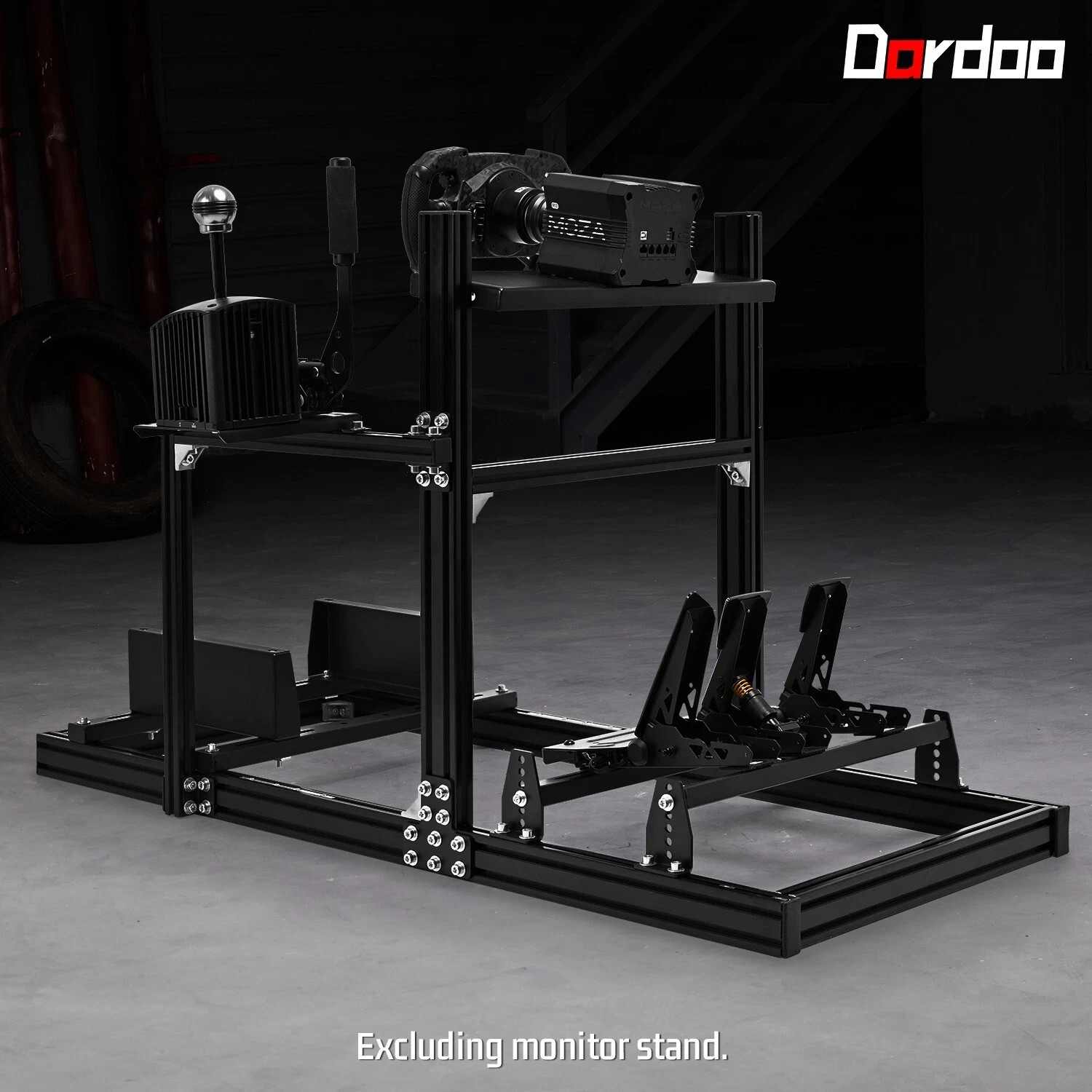 Dardoo 3060 Aluminum Racing Sim Cockpit Fits Logitech G923 Thrustmaster Fanatec$259.99Last checked Nov 18, 2026View on eBay
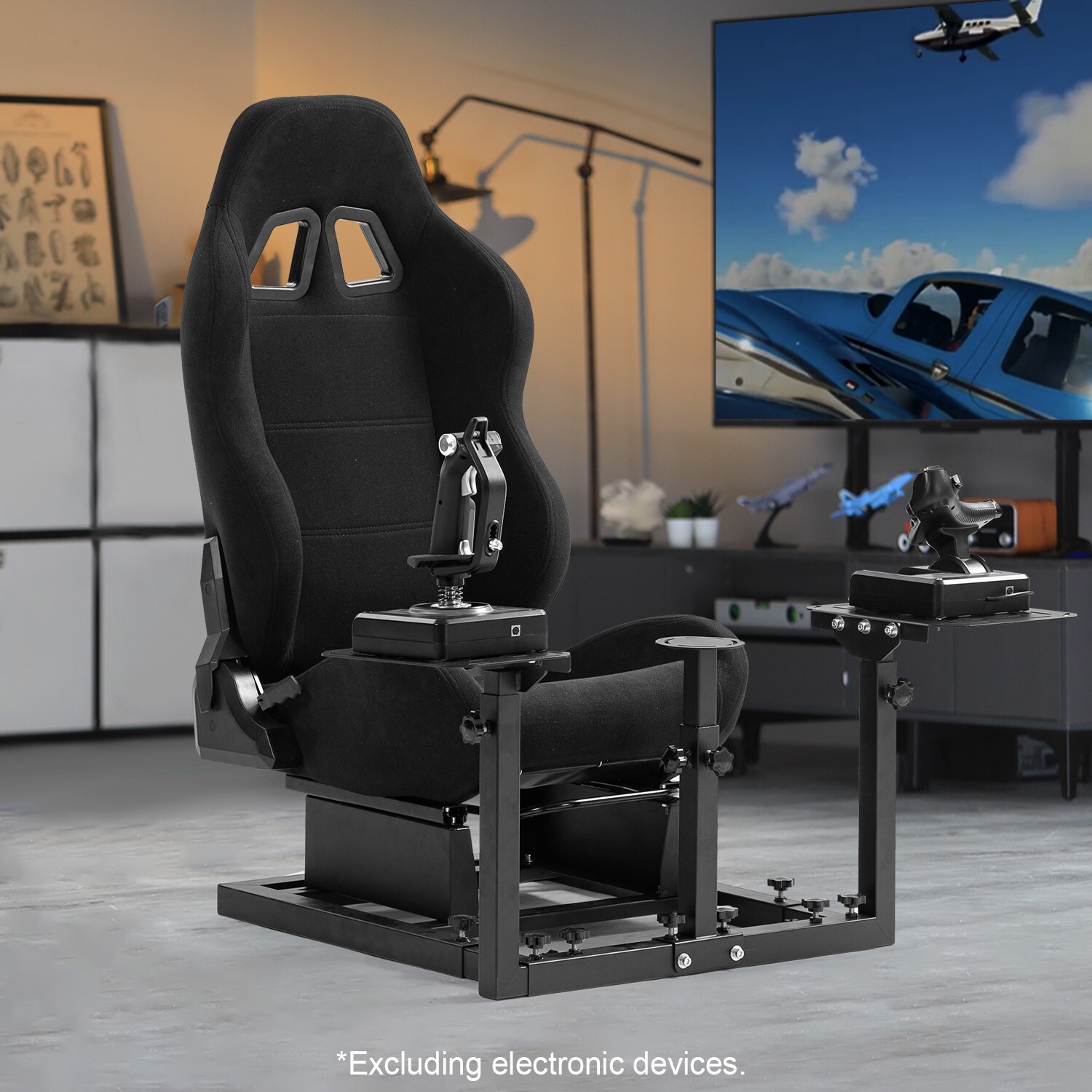 Marada Racing Flight Sim Cockpit With Adjustable Black Seat Fit For Thrustmaster$269.99Last checked Nov 18, 2026View on eBay
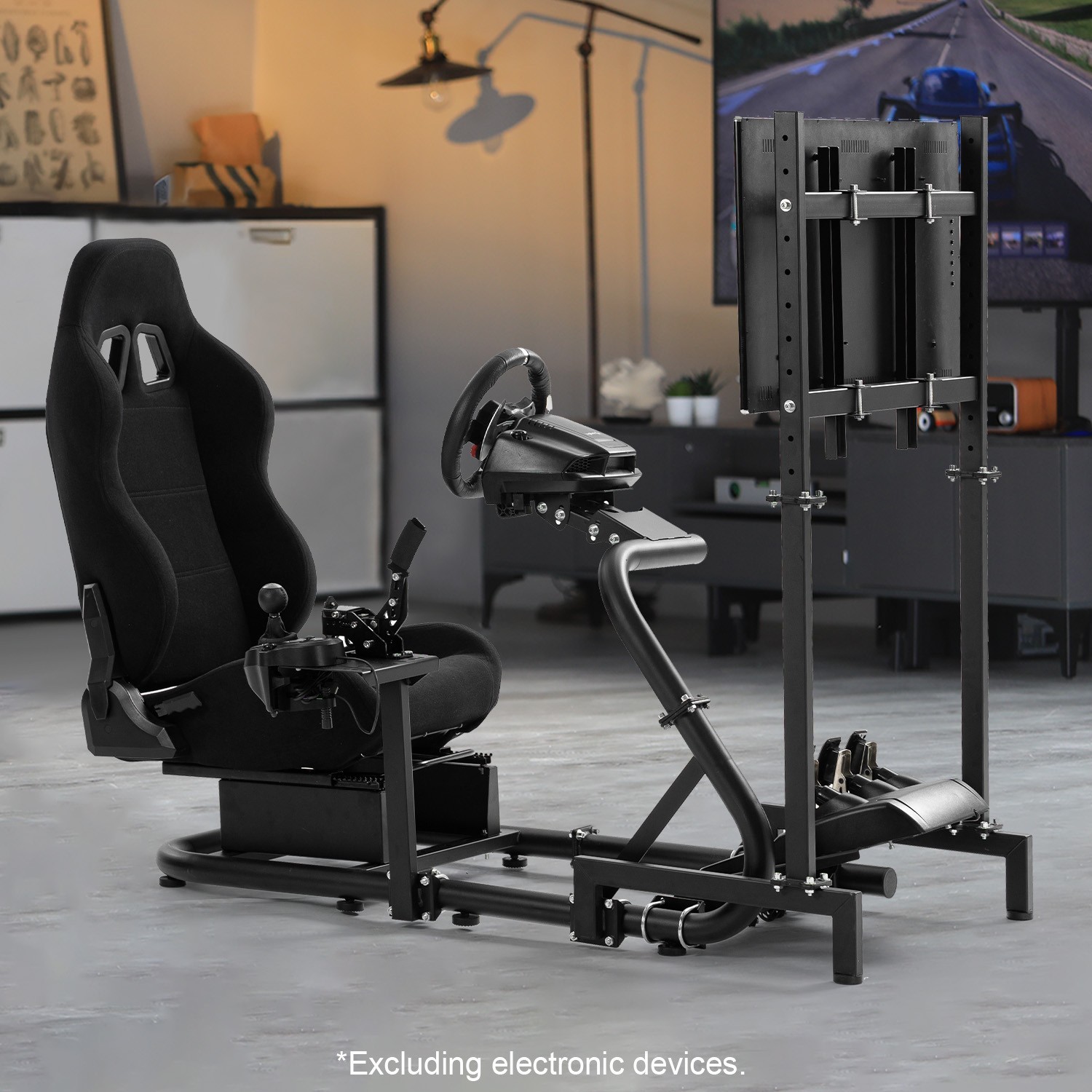 Marada Racing Sim Cockpit Semi Open With Monitor Stand & Black Seat Fit Logitech$385.99Last checked Nov 18, 2026View on eBay
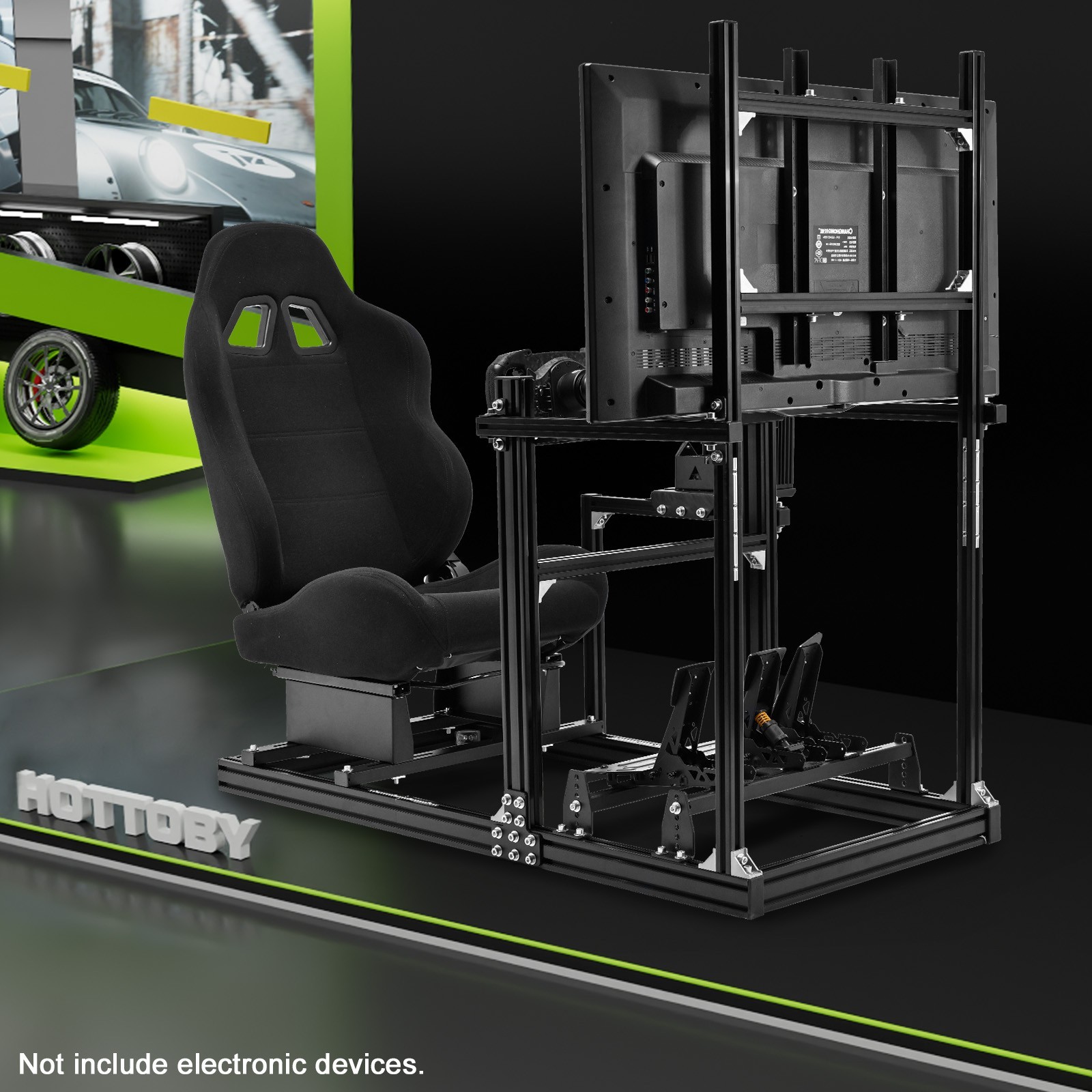 Hottoby 3060 Aluminum Racing Sim Cockpit With Black Seat & TV Stand Fit Logitech$489.99Last checked Nov 18, 2026View on eBay
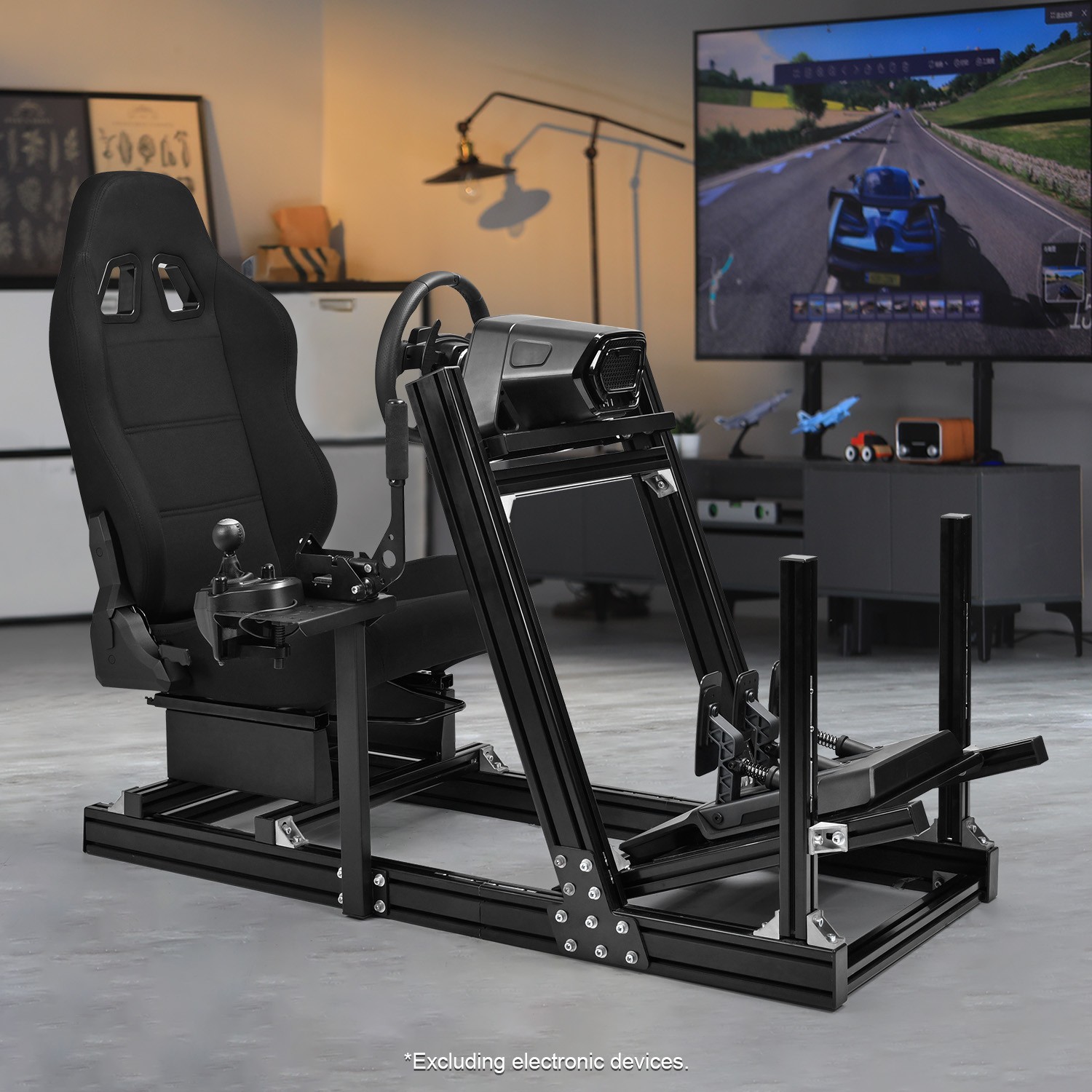 Marada 4080 Aluminum F1 Racing Sim Cockpit With Seat Fits Logitech Thrustmaster$499.99Last checked Nov 18, 2026View on eBay
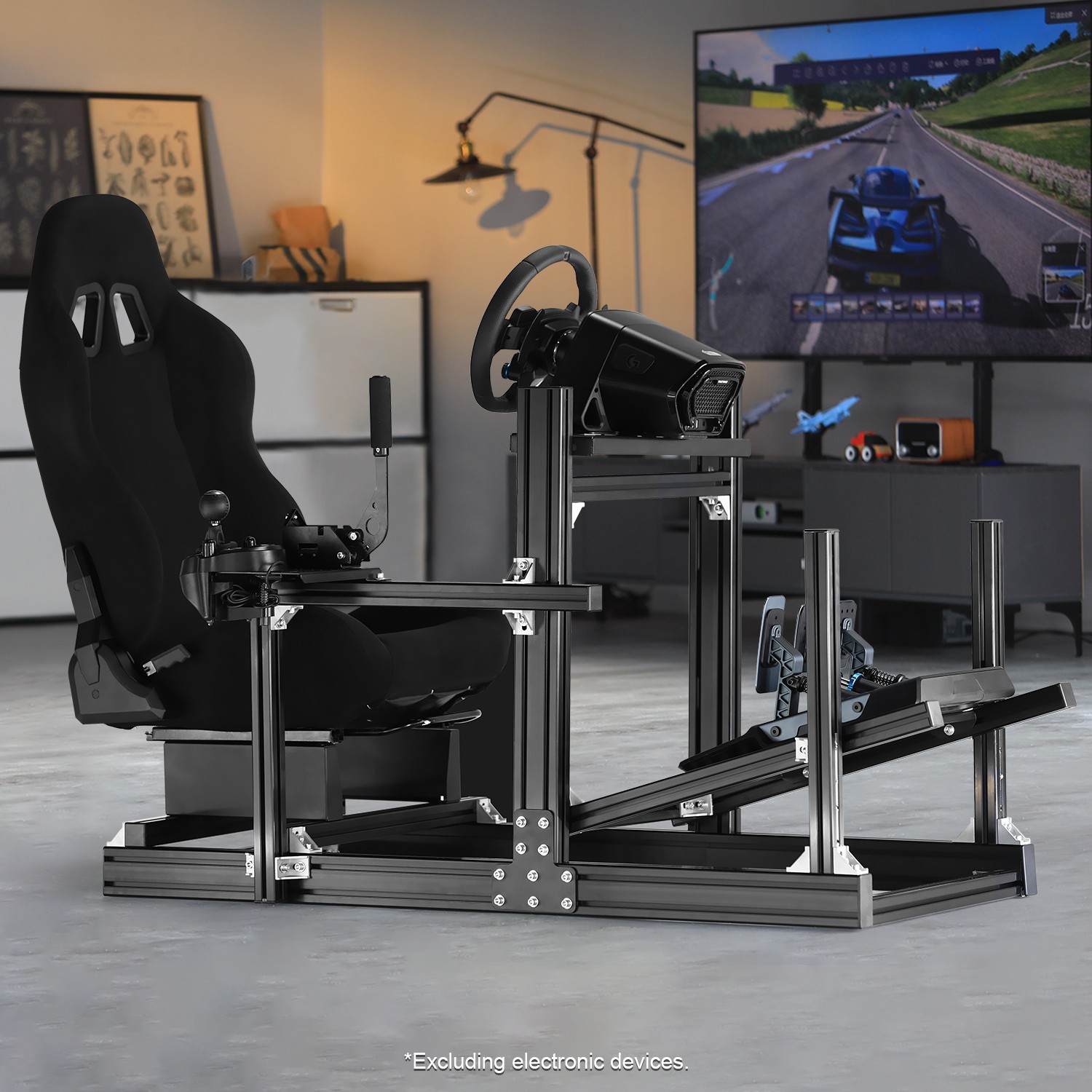 Marada 4080Aluminum F1 Racing Sim Cockpit With Seat Fits Logitech/Thrustmaster$519.99Last checked Nov 18, 2026View on eBay
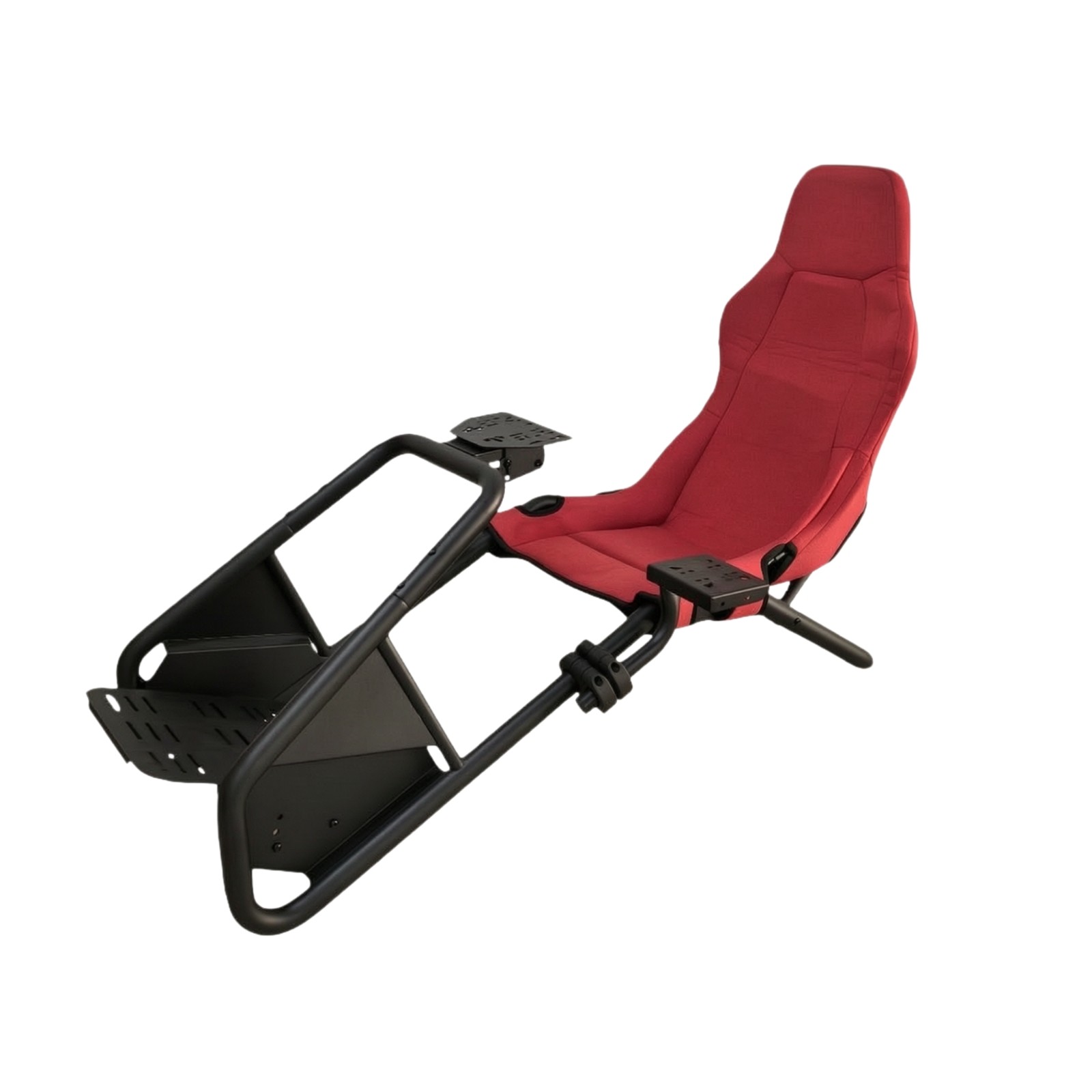 Sim Cockpit with Seat Compatible Furniture Ergonomic for Game Room, Home$1,310.62Last checked Nov 18, 2026View on eBay
Highlights
- Frame architecture: 8020-style aluminum extrusion (40x40 mm and up) or welded steel tubing delivers the torsional rigidity direct-drive wheels and load-cell pedals require; thin tubular or foldable frames flex and blunt feedback.
- Wheelbase load tier: belt-driven wheels (5-8 Nm) work on mid-tier rigs; direct-drive units (8-25+ Nm) demand reinforced extrusion or steel with a dedicated wheel deck and no plastic quick-release joints.
- Pedal mounting: load-cell brakes need a rigid, separately braced pedal plate bolted to the frame—not a flexing deck shared with the wheel—to preserve consistent brake pressure.
- Seat and adjustability: bucket or reclining seats mount via side brackets or slider rails; extrusion rigs allow millimeter pedal and wheel height/angle tuning that welded fixed cockpits cannot match.
Best use cases
- Best fit: direct-drive wheelbase (8 Nm+) or load-cell pedals—pick a reinforced 8020 extrusion or welded steel rig with a dedicated pedal brace and wheel deck; skip foldable tubular rigs.
- Best fit: belt-driven wheel (5-8 Nm) on a mid budget—a 40x40 extrusion or sturdy steel cockpit with side-bracket seat and adjustable pedal plate is sufficient; skip entry foldables only if you brake hard.
- Best fit: small room or dual-use desk—choose a compact extrusion rig or wheel stand with a foldable or rollable frame only if you run a sub-8 Nm belt wheel and non-load-cell pedals.
- Wrong fit: buying a cheap foldable rig for a 15 Nm direct-drive base or load-cell brake—flex will cause inconsistent braking and muted force feedback; step up to a rigid cockpit instead.
Buying tips
- Match frame to torque: 40x40 mm extrusion or 1.5-inch steel tubing for belt wheels up to 8 Nm; 40x80 mm extrusion or reinforced steel for direct-drive 8-25 Nm.
- Pedal plate must be bolted to the main frame with a vertical brace or separate crossmember; avoid pedal decks that share flex with the wheel mount.
- Check wheel deck compatibility: confirm bolt pattern (typically 3 or 4-point) and included mounting hardware for your wheelbase brand before buying.
- Seat mounting standard: side brackets or bottom-mount sliders need matching rail width; measure your seat's bolt spacing and rig rail spacing to avoid adapter purchases.
Specs
| Frame Material | 8020 aluminum extrusion / welded steel |
|---|---|
| Extrusion Profile | 40x40 mm base; 40x80 mm for DD |
| Wheelbase Tier | Belt up to 8 Nm; DD 8-25 Nm |
| Pedal Mount | Braced plate; load-cell ready |
Related searches
What to check before buying
- Measure your floor footprint and ceiling clearance: rig length plus seat recline and monitor stand reach must fit your room with at least 60 cm behind the seat for entry/exit.
- Confirm wheelbase bolt pattern and pedal box dimensions match the rig's deck and plate hole spacing; adapter plates add cost and flex.
- Check seat rail width and bracket type (side-mount vs bottom-mount) against the rig's included seat or your own seat.
- Verify voltage/plug standard for any integrated power strips or monitor mounts, and ensure the rig's footprint clears doors and desk edges.
FAQ
Data sources: eBay / Amazon listings and product attribute feeds. Updated Nov 27, 2026.
Some links on this page are affiliate links. If you buy after clicking one, we may earn a commission at no extra cost to you. This does not change which products appear here or their order. Affiliate disclosure.