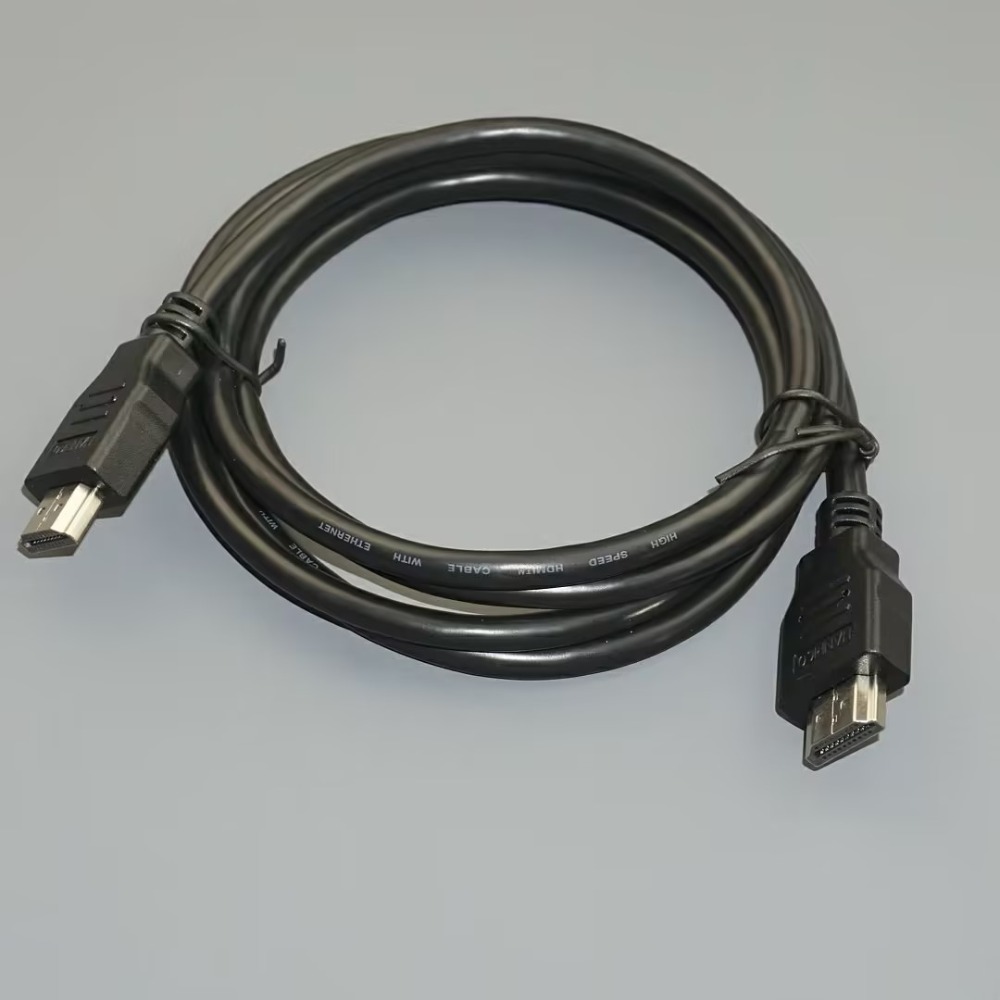

Photos from current listings. Actual item, color, and included accessories may vary.
High Speed HDMI Cable Buying Guide
High Speed HDMI cables are passive or active copper interconnects certified to carry 4K/60Hz at 18Gbps, with newer Ultra High Speed tiers supporting 8K/60Hz or 4K/120Hz at 48Gbps. The core trade-off is bandwidth tier versus cable length: passive copper works reliably only up to about 3–5 meters at 48Gbps, while longer runs require active signal boosting or fiber-optic construction. The decision rule is simple: match the cable's certified bandwidth to your source and display resolution, and choose active or fiber construction for any run beyond 5 meters.
Median $13.49
Key takeaways
- Ultra High Speed HDMI (48Gbps) is the only tier that certifies 8K@60Hz and 4K@120Hz with HDR; Premium High Speed (18Gbps) caps at 4K@60Hz.
- Passive copper HDMI cables lose signal integrity beyond roughly 3–5 m at 48Gbps, so long runs need active copper or fiber-optic HDMI cables.
- HDMI 2.1 features like VRR, ALLM, and eARC require both the cable's Ethernet/return channel certification and compatible source/display ports.
At a glance
- Category
- AV Cables & Interconnects
- Last updated
- Nov 28, 2026
Current offers
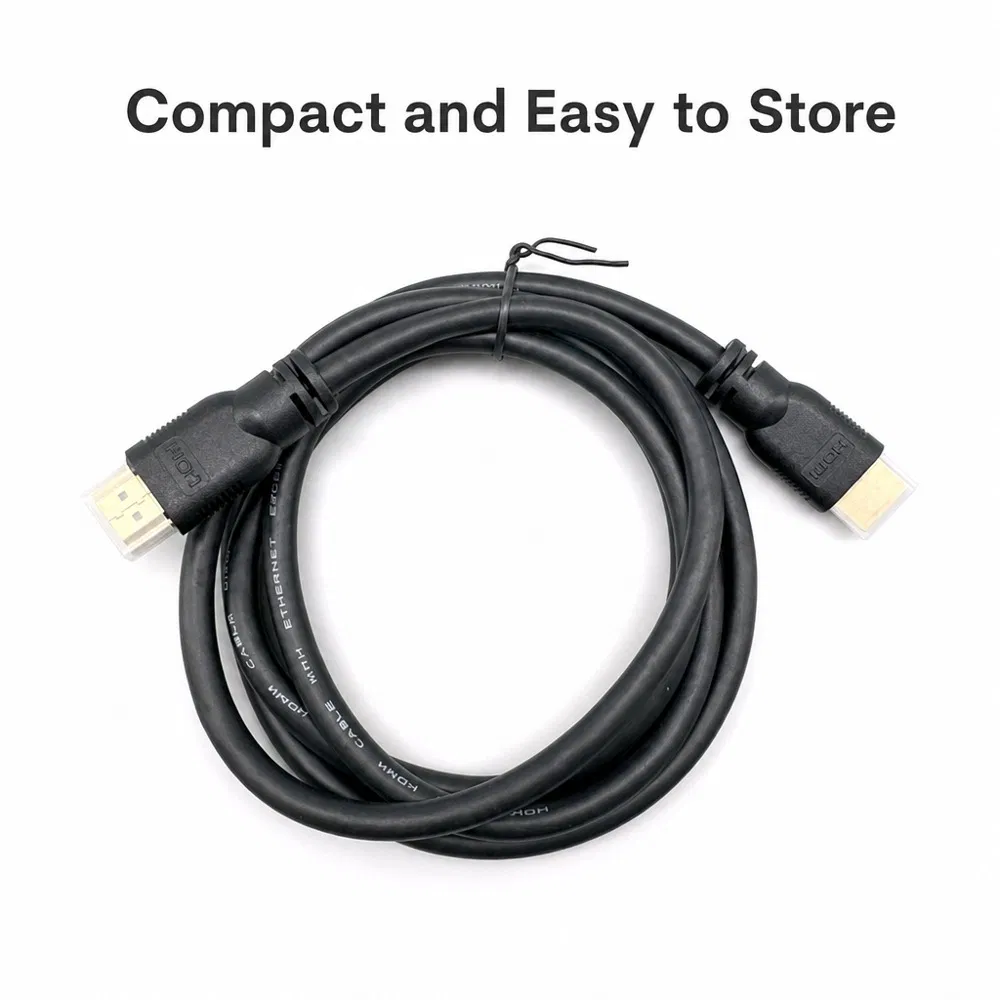
Highlights
- Ultra High Speed HDMI (48Gbps) is the only tier that certifies 8K@60Hz and 4K@120Hz with HDR; Premium High Speed (18Gbps) caps at 4K@60Hz.
- Passive copper HDMI cables lose signal integrity beyond roughly 3–5 m at 48Gbps, so long runs need active copper or fiber-optic HDMI cables.
- HDMI 2.1 features like VRR, ALLM, and eARC require both the cable's Ethernet/return channel certification and compatible source/display ports.
- Connector gold plating resists corrosion but does not increase bandwidth; nylon braiding and metal shells improve strain relief and durability, not signal speed.
Best use cases
- Buy Ultra High Speed (48Gbps) passive cables of 3 m or less for PS5, Xbox Series X, or 4K/120Hz PC monitors — skip Premium High Speed cables for these devices.
- Buy Premium High Speed (18Gbps) cables for 4K/60Hz TVs, streaming boxes, and Blu-ray players where 8K or 120Hz is not needed.
- Buy active copper or fiber-optic HDMI cables for projector or wall-fish runs longer than 5 m; passive copper at 15 m will fail at 4K/60Hz.
- Skip 'high speed' cables with only standard HDMI certification for HDR or eARC setups — they lack the guaranteed 18Gbps bandwidth.
Buying tips
- Match bandwidth to resolution: 18Gbps Premium High Speed for 4K/60Hz, 48Gbps Ultra High Speed for 8K/60Hz or 4K/120Hz.
- Keep passive copper runs under 5 m for 48Gbps; use active or fiber-optic cables for runs of 5–15 m or more.
- Look for the official Ultra High Speed HDMI certification label and anti-counterfeit app verification, not just '4K compatible' marketing text.
- For eARC or Ethernet-over-HDMI, confirm the cable explicitly lists Ethernet and audio return channel support at the required bandwidth.
Specs
| Bandwidth Tier | 18Gbps Premium vs 48Gbps Ultra High Speed |
|---|---|
| Max Resolution | 4K@60Hz (18Gbps) vs 8K@60Hz (48Gbps) |
| Cable Construction | Passive copper / Active copper / Fiber-optic |
| Connector Finish | Gold-plated vs nickel-plated |
Related searches
What to check before buying
- Measure the exact run from source to display, adding 0.5 m slack at each end, before choosing passive versus active construction.
- Confirm your source (console, PC, receiver) and display both support the target resolution and refresh rate — the cable cannot add capability.
- Check port clearance behind wall mounts or receiver racks; braided cables with metal shells need more bend radius than slim connectors.
- For in-wall installation, verify the cable is rated for in-wall use (CL2/CL3) and consider conduit for future fiber upgrades.
FAQ
Data sources: eBay / Amazon listings and product attribute feeds. Updated Nov 28, 2026.
Some links on this page are affiliate links. If you buy after clicking one, we may earn a commission at no extra cost to you. This does not change which products appear here or their order. Affiliate disclosure.