Choosing room acoustics, seating & cables often comes down to a surprisingly visual question: do you want a lighter wood look or a darker theater finish? These two wood wall panel acoustic options share the same listed acoustic features and price, but their colors, pack sizes, and room-planning implications differ.
Quick verdict
Choose White Oak for a lighter wood-led room or a focused single-panel accent. Choose Black if a dark theater palette suits your space or you want the listed four-panel pack. Both are priced at USD 29.99, so the decision is not about a price gap. It is about how the finish and pack format fit your project.
Compact comparison
| Detail | White Oak | Black |
|---|---|---|
| Listed price | USD 29.99 | USD 29.99 |
| Listed pack | 1 | 4 |
| Coverage | 1 ft² | 1 ft² |
| Compatible surfaces | Wood, drywall, fiberglass, metal, PVC | Wood, drywall, fiberglass, metal, PVC |
| Acoustic features | High Density; Water Resistant; Soundproofing Insulation | High Density; Water Resistant; Soundproofing Insulation |
Where each product wins
White Oak wins for a lighter visual plan
The White Oak finish is the natural choice when your home theater leans toward lighter wood tones or a more decorative wall treatment. The product title also directly names home theaters, studios, offices, and hotels, giving it a broad room-use fit. Its listed pack of 1 suits a shopper planning one panel as a focused accent or working through a smaller, piece-by-piece installation.
Black wins for a darker theater palette
Black fits rooms designed around darker walls, screens, or equipment. The listed pack of 4 also makes it the more straightforward match for a grouped panel layout, since the finish is presented as a coordinated set rather than a single unit. That distinction matters more than acoustic performance here: the two choices share the same listed coverage and feature set.
Product notes
White Oak Acoustic Panel
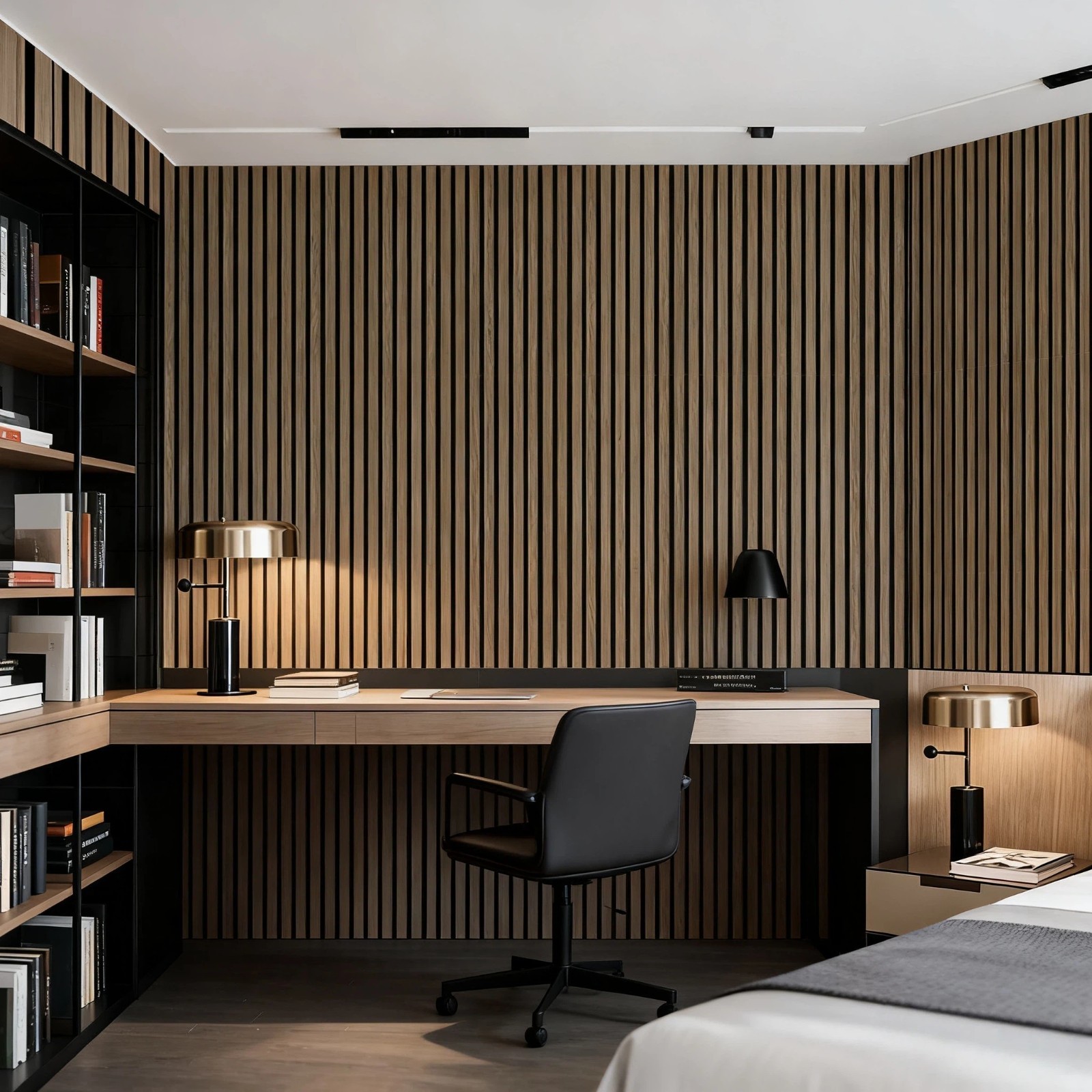
White Oak makes sense when the finish needs to support a lighter wood look without changing the listed acoustic specification. The title positions it for home theater, studio, office, and hotel settings, while the attributes identify a 1 ft² coverage area and compatibility with wood, drywall, fiberglass, metal, and PVC. Those details make it a flexible decorative accent for several room surfaces. The limitation is scale: with 1 ft² of coverage and a listed pack of 1, this choice is oriented toward a focused panel placement rather than a broad treatment in one purchase. Choose it when the visual direction matters as much as the acoustic role.
Black Acoustic Panel
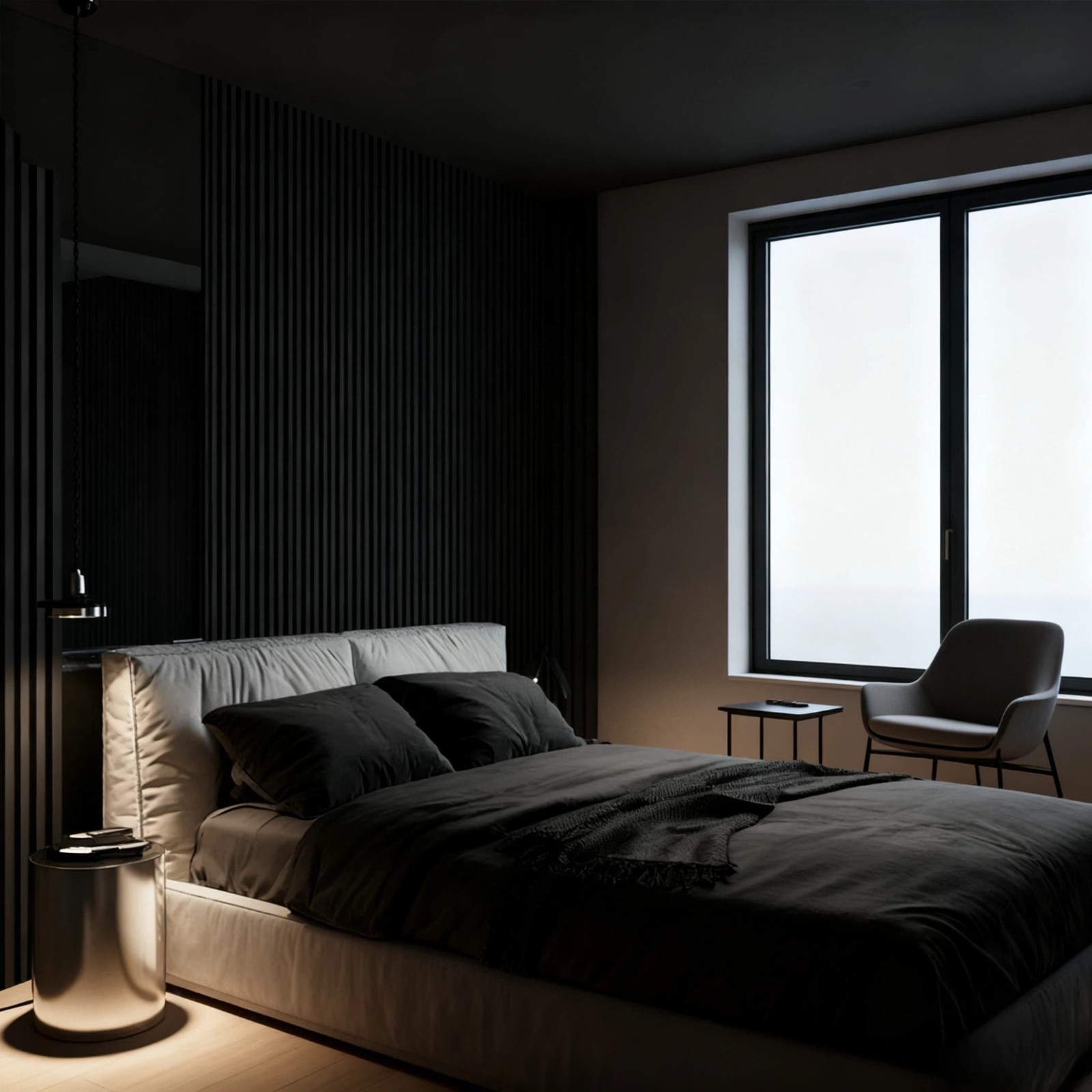
Black is the stronger match for a deliberately dark home theater aesthetic, particularly when you want the wall treatment to recede visually around a screen or speaker setup. The listed four-panel pack is also a concrete reason to choose it for a grouped arrangement. Like the White Oak version, it carries the same compatible-surface range and the same listed acoustic features, so its distinction is visual and pack-based rather than a stated performance advantage. Its limitation is the fixed dark finish: it may clash with a room built around light wood tones or a bright decorative scheme. Pick it when coordinated quantity and a dark palette are the priorities.
Final choice by use case
- For a lighter wood-led theater: Choose White Oak Acoustic Panel.
- For a dark theater palette: Choose Black Acoustic Panel.
- For one focused accent: White Oak's listed pack of 1 is the direct fit.
- For a grouped panel layout: Black's listed pack of 4 is the more suitable format.
- For acoustic specifications alone: Treat them as a tie; both list 1 ft² coverage plus High Density, Water Resistant, and Soundproofing Insulation features.