Choosing keyboard switches can look simple when two linear mechanical lots sit side by side, but the buying decision is really about fit: one design emphasizes a particular visual direction, while the other adds a more specific mounting detail. The fastest way to choose is to decide whether your build prioritizes lighting, packaging, pin configuration, or price-not to treat the shared switch type as an automatic winner.
Quick verdict
The TTC Flame Red is the better match for a build where a red translucent housing and integrated light diffuser are central to the look. It is listed at USD 15.00. The Kailh Box Jellyfish costs USD 12.00, making it the lower-priced choice, and pairs a clear appearance with a transparent polycarbonate housing and 5-pin PCB-mount configuration. The absolute price spread is $3. Both are new linear mechanical switches, so the meaningful choice comes from the housing treatment, build format, and listed price.
Comparison at a glance
| Switch | Listed price | Common listing details | Quantity |
|---|---|---|---|
| TTC Flame Red | USD 15.00 | Linear mechanical; New; Red | 110 switches |
| Kailh Box Jellyfish | USD 12.00 | Linear mechanical; New; Clear | 110 switches |
Where each wins
- TTC Flame Red wins for lighting-focused builds. Its integrated light diffuser and translucent housing give the switch a clearly defined visual role. Choose it when that presentation matters more than keeping the price as low as possible.
- Kailh Box Jellyfish wins for a build with a specific PCB format. Its 5-pin PCB-mount configuration is a concrete selection point, while the box structure and transparent polycarbonate housing give it a distinct construction profile. The lower listed price also makes it the straightforward pick when cost is the tie-breaker.
Product notes
TTC Flame Red
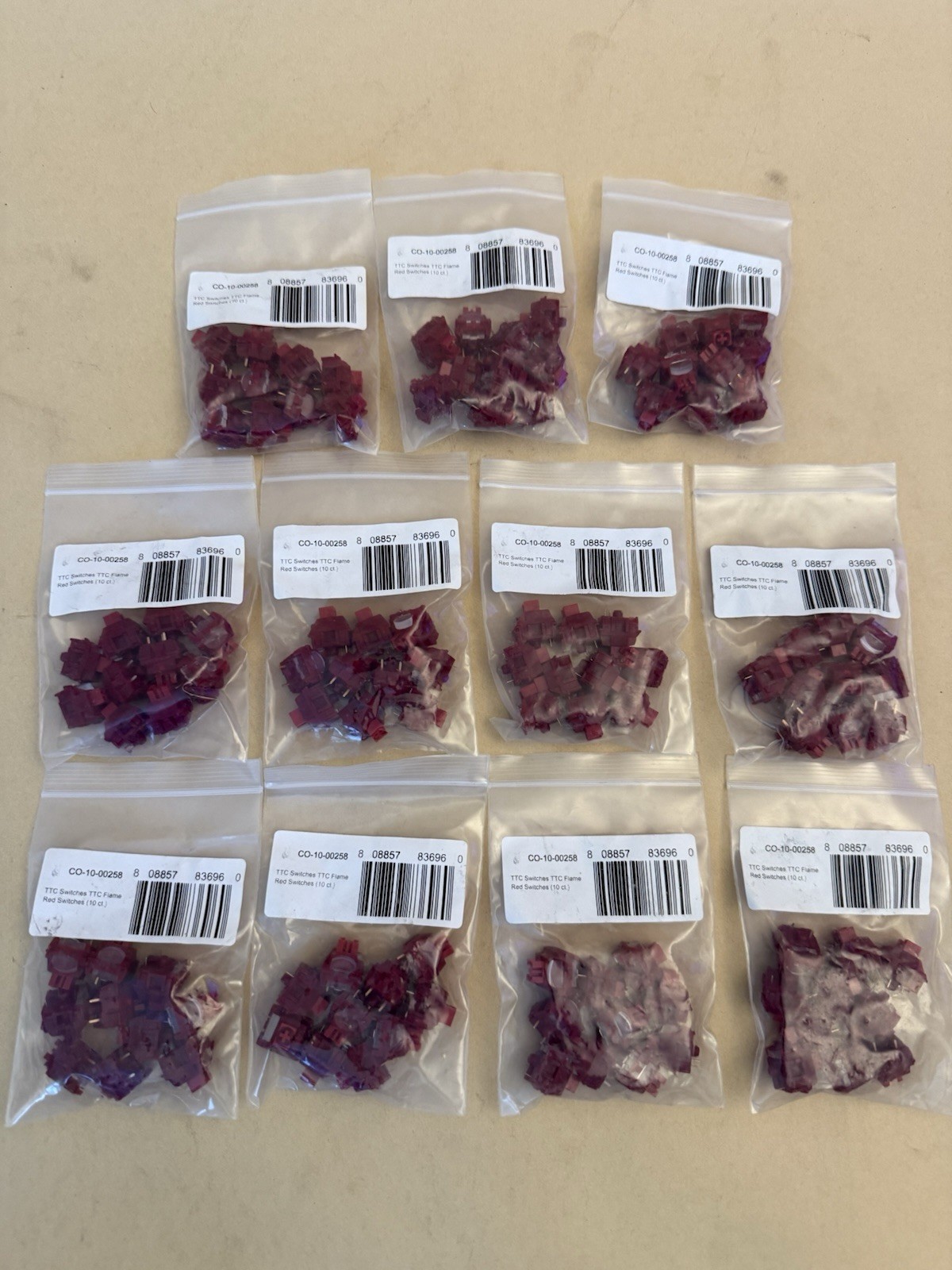
TTC Flame Red suits a shopper who values a neatly divided lot for a keyboard build. The switches are organized in individual packs, which can make a full set easier to sort and keep together during assembly. The POM / PA66 housing specification is another concrete detail for comparing the two designs, rather than choosing on color alone. That material is also the main limitation for anyone specifically planning around Kailh's transparent polycarbonate housing: the two switches use different housing materials. TTC makes the most sense when organized packaging and the POM / PA66 construction fit the build plan. Its listed price is the higher of the two, so the additional visual and packaging details should be intentional reasons for choosing it.
Kailh Box Jellyfish
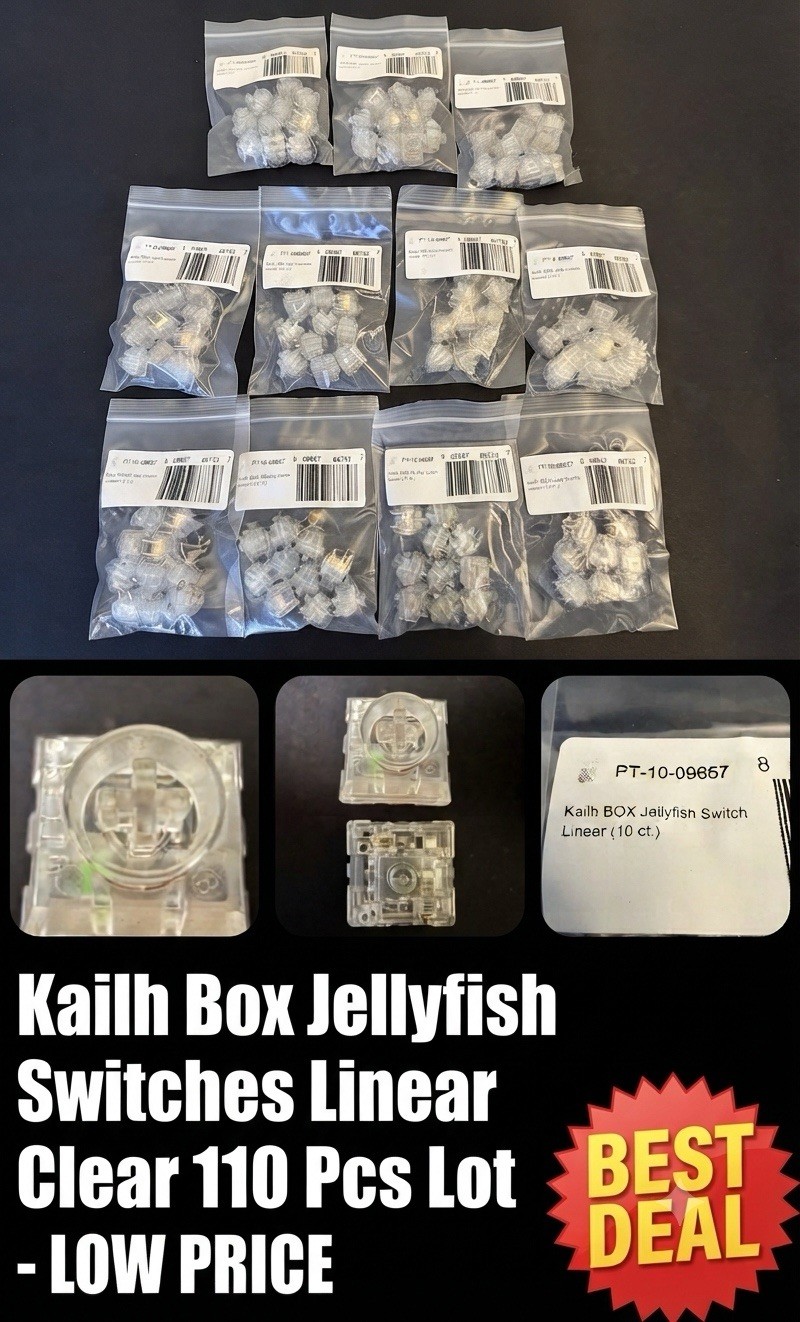
Kailh Box Jellyfish is a sensible match for a build where a defined construction style and PCB format matter. Its box structure is a notable design detail, giving the switch a different profile from a choice based only on the linear label. The 5-pin PCB-mount configuration can be a reason to choose Kailh when that is the pin arrangement planned for the keyboard. The limitation is equally specific: a build centered on another pin arrangement would point toward a different switch format. Kailh also has the lower listed price in this comparison, which makes the decision easier for shoppers who do not need TTC's particular visual treatment. Choose it when the box design and stated mounting format align with the build.
Final choice by use case
- Choose TTC Flame Red for a red, lighting-oriented design with an integrated diffuser and POM / PA66 housing.
- Choose Kailh Box Jellyfish for a clear, transparent polycarbonate housing and a listed 5-pin PCB-mount format.
- Choose Kailh when the lower listed price is the deciding factor.
- Choose either based on switch type alone: both are listed as linear mechanical switches, so that shared category does not separate them.
The final call is therefore straightforward: TTC is the visual-led pick, while Kailh is the lower-priced, format-specific alternative.