Choosing among home theater speakers & subwoofers gets tricky when the job is specifically a center channel: one model emphasizes a fuller design description, while another presents a compact format and clear electrical specifications. The right choice depends on what matters most in your setup-system planning, design detail, condition, or price. Here is how the Sony SSCS8 and Klipsch KSC-C1 separate without treating technical numbers alone as proof of better sound.
Quick verdict
Sony SSCS8 is the design-detail choice, with a two-way, three-speaker architecture and several named components to weigh. Klipsch KSC-C1 is the compact center-speaker choice, with an explicitly stated role and straightforward specifications. Numeric values should remain specifications rather than a reason to declare one speaker the sound-quality winner.
At a glance
Both models are center-channel speakers, but their listed attributes point to different buying priorities. The comparison below keeps the contrast focused on condition and the clearest technical detail for each model.
| Model | Condition | Key listed detail |
|---|---|---|
| Sony SSCS8 | New | Two-way; three-speaker bass reflex system |
| Klipsch KSC-C1 | Used | 100 W RMS; 8 Ohms |
Where each product wins
Sony SSCS8 wins for system planning. It is presented as part of Sony's CS family, alongside SSCS3 tower speakers, SSCS5 bookshelf speakers, SSCSE Dolby Atmos-enabled speakers, and the SACS9 subwoofer for a 5.1.2 home theater setup. That gives shoppers a clearly named Sony route when they want to plan around one speaker family.
Klipsch KSC-C1 wins on listed price. The Klipsch is priced at $97.77 and the Sony at $149.00, creating a $51.23 difference between the two. That is the clearest reason to choose Klipsch when the purchase amount is the deciding constraint.
Product notes
Sony SSCS8 2-way Center Channel Speaker - Black
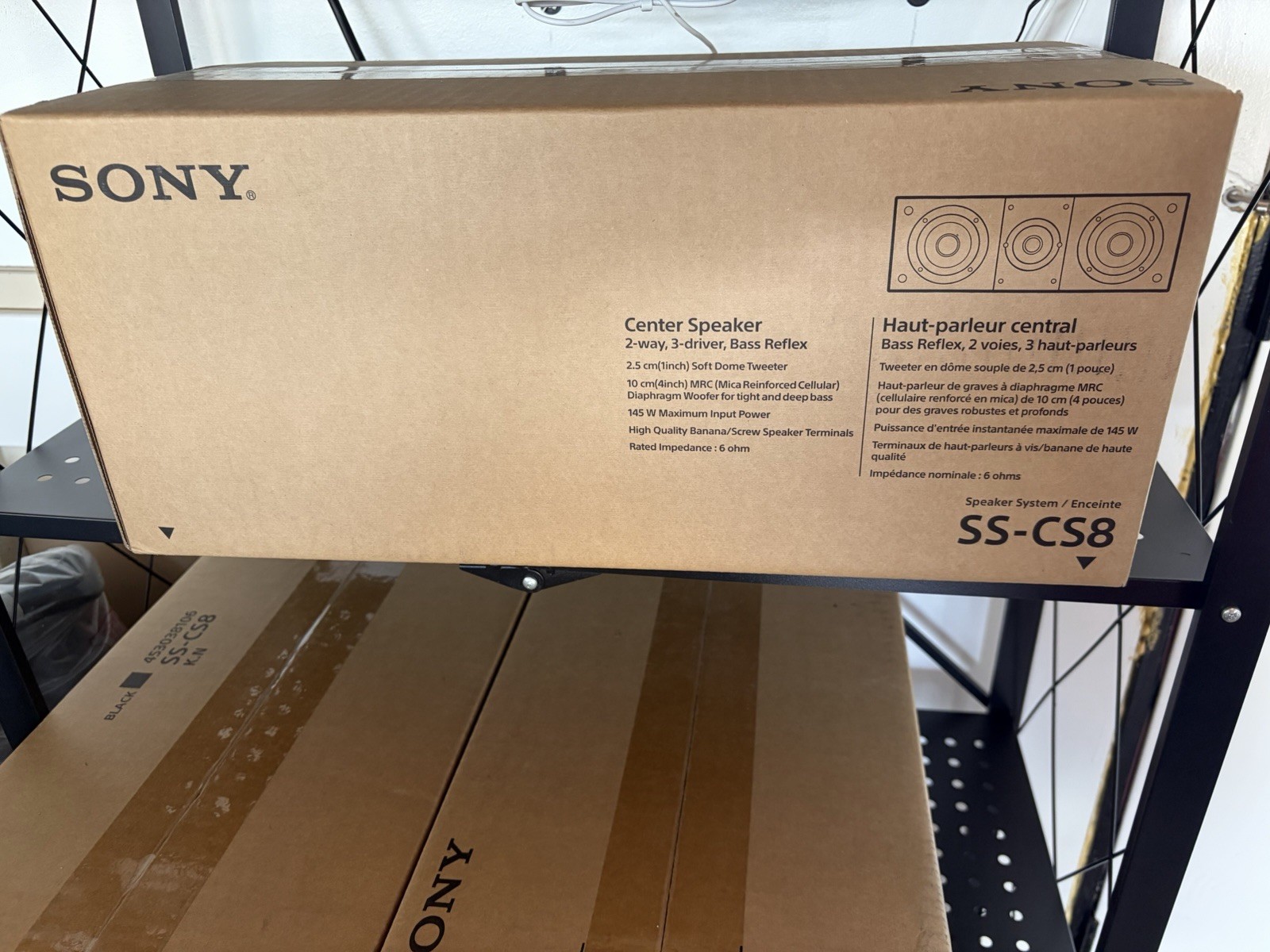
The Sony SSCS8 is a strong match for shoppers who want concrete design detail in a center-channel speaker. Its architecture is a two-way, three-speaker bass reflex system with a 4-inch woofer and 1-inch super tweeters, plus an optimized crossover. Those elements give you specific design points to weigh for movie, music, and gaming setups without relying on a generic center-speaker label. The practical limitation is packaging: the product is one speaker per carton, so the purchase is framed around a single center-channel speaker. Choose the SSCS8 when that combination of woofer, tweeter, and crossover details is more important than keeping the decision strictly to price.
Klipsch KSC-C1 Center Channel Speaker 100W 8 Ohm
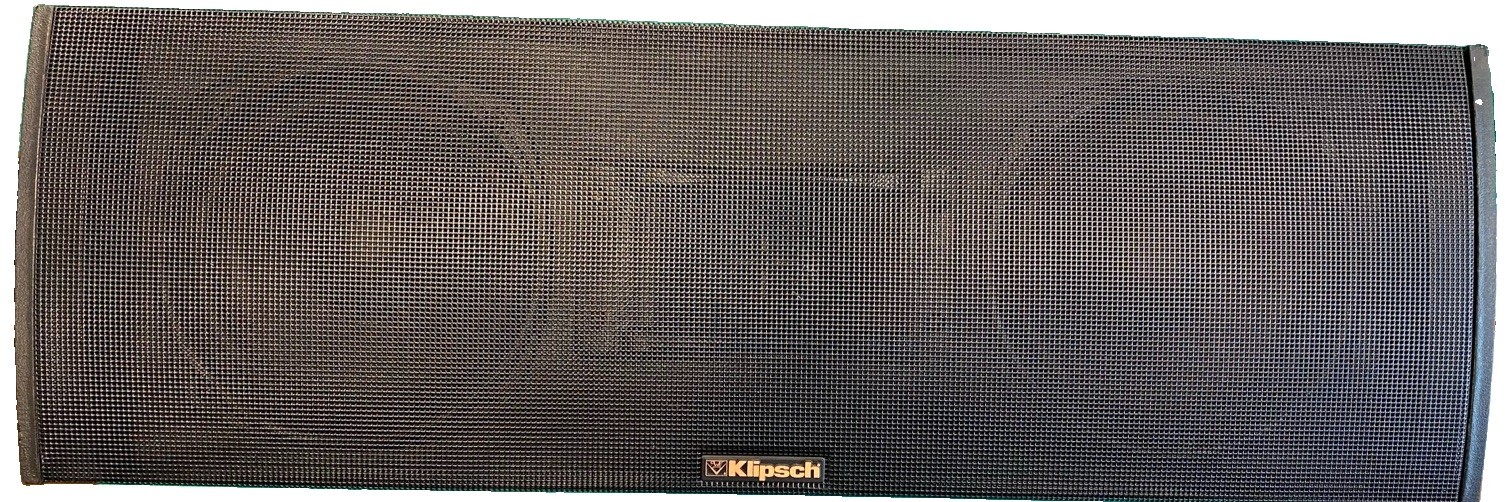
Klipsch KSC-C1 is aimed squarely at the center-speaker role and is described as compact, giving it a clear place in a home entertainment setup. That focus is the main reason to choose it when you want a concise center-channel brief rather than a broader speaker-family plan. Its practical limitation is the used condition, a concrete distinction from Sony's new condition. The model's 100 W RMS and 8 Ohms are useful comparison points when those exact specifications matter, but they remain neutral numbers rather than proof of superior sound. Choose KSC-C1 when compactness, the stated center-speaker role, and an explicit specification set are the priorities.
Final choice by use case
- For a Sony CS-series theater plan: choose Sony SSCS8. The named family connection is the clearest concrete reason to stay with Sony.
- For a compact center-speaker format: choose Klipsch KSC-C1. Compactness and the stated center-speaker role make the use case straightforward.
- For a price-led decision: choose Klipsch KSC-C1. Its listed price is $51.23 lower than Sony's.