Kenwood TS-590S vs Icom IC-7100: HF Base Station or Digital Ham Radio?
The Kenwood TS-590S emphasizes HF/50MHz, 100W all-mode base-station operation with a mic, while the Icom IC-7100 emphasizes a detachable touchscreen controller and D-Star digital voice. Compare the $10.01 spread to choose the better fit.
Last updated Oct 7, 2026
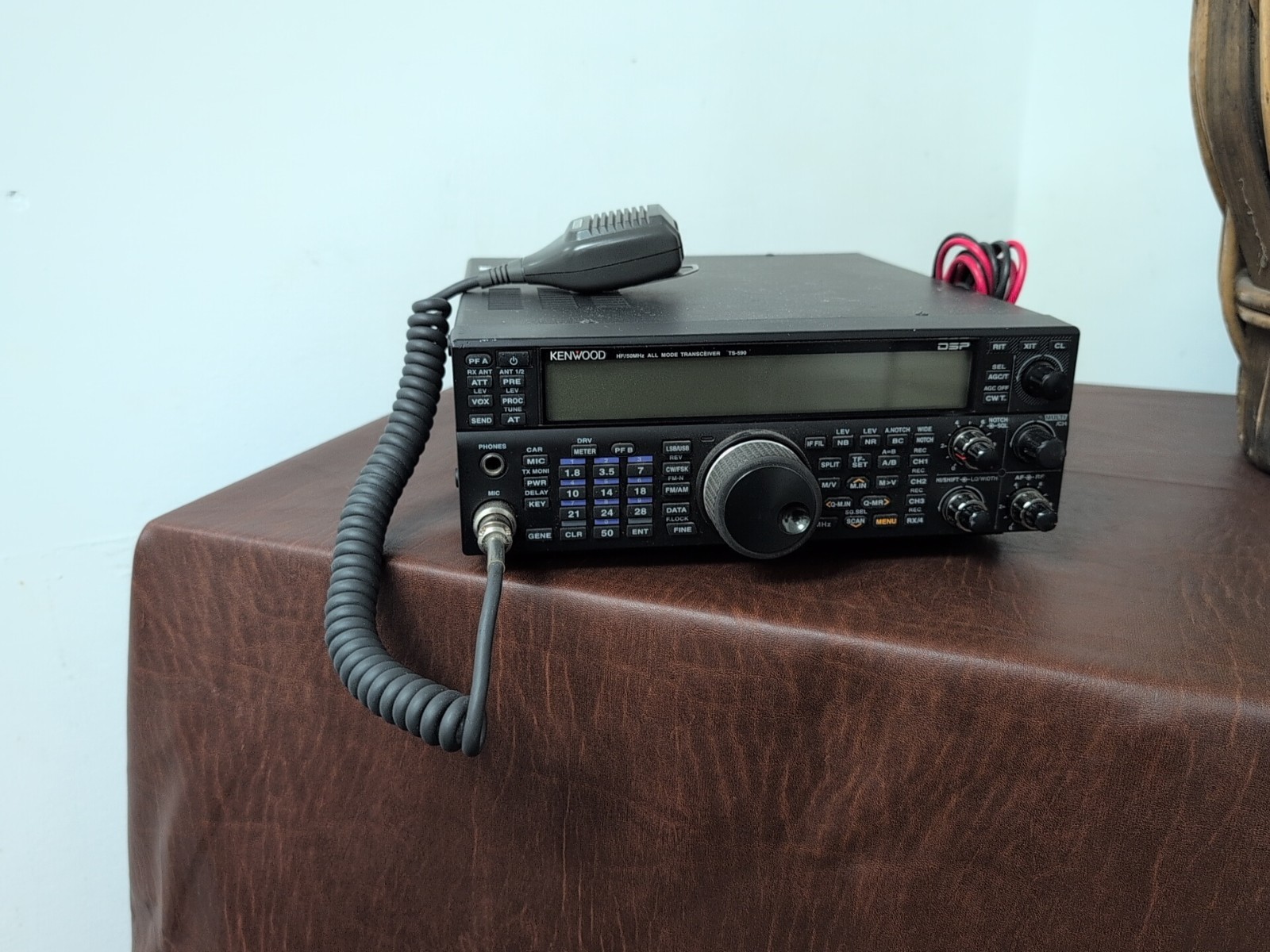
Kenwood TS-590S HF/50MHz Ham Radio Transceiver 100W All Mode Base Station w/ Mic
$749.99Listed at review time
Original listing may be ended — you can still view it or find similar offers.
Affiliate disclosure: We may earn a commission if you buy through links on this page, at no extra cost to you. Confirm live price, stock, and return terms on the seller page. Affiliate disclosure.
Choosing between ham radio transceivers is less about finding one universal winner than matching the radio to your station plan. The Kenwood TS-590S is framed for a station-focused setup, while the Icom IC-7100 leans toward digital operation. With a $10.01 price gap, the practical question is which layout and operating scope suit your plans.
Quick verdict
Choose the Kenwood TS-590S if you want the HF/50MHz, 100W, all-mode base-station format and included mic. Choose the Icom IC-7100 if a detachable sloped touchscreen controller and digital voice focus are more important.
Listed-price and attribute comparison
| Product | Listed price | Attribute snapshot |
|---|---|---|
| Kenwood TS-590S | USD 749.99 | Eight Bands; 100W |
| Icom IC-7100 | USD 760.00 | Tri Band; LCD Screen |
What matters most
The band counts are sorting cues, not automatic rankings. Eight Bands and Tri Band are raw labels; neither number, by itself, proves a better operating experience. That keeps the choice focused on the radio's stated purpose rather than numeric order.
Where each product wins
Kenwood TS-590S: This is the clearer fit for a buyer comparing operating modes. SSB, CW, FM, AM, and QRP are named for it, while its HF/50MHz wording provides a direct band cue. Those are concrete reasons to favor it when a buying brief starts with mode selection.
Icom IC-7100: This is the clearer fit for digital-oriented use. D-Star digital voice is named, alongside VHF and UHF scope. Its control design is described as sloped and detachable with a touch screen, giving a shopper a distinct interface choice rather than another generic black radio.
Product notes
Kenwood TS-590S
The Kenwood TS-590S is a sensible match for shoppers who appreciate the included microphone and manual and want a clearly named set of operating modes. Named modes include SSB, CW, FM, AM, and QRP, giving the selection process concrete mode labels rather than a generic promise. The Kenwood is marked used, so condition belongs in the decision alongside its stated specifications. For a shopper with a defined mode plan, that specificity is useful before comparing the two formats. Choose Kenwood when the mode list and included mic are central to your setup.
Icom IC-7100
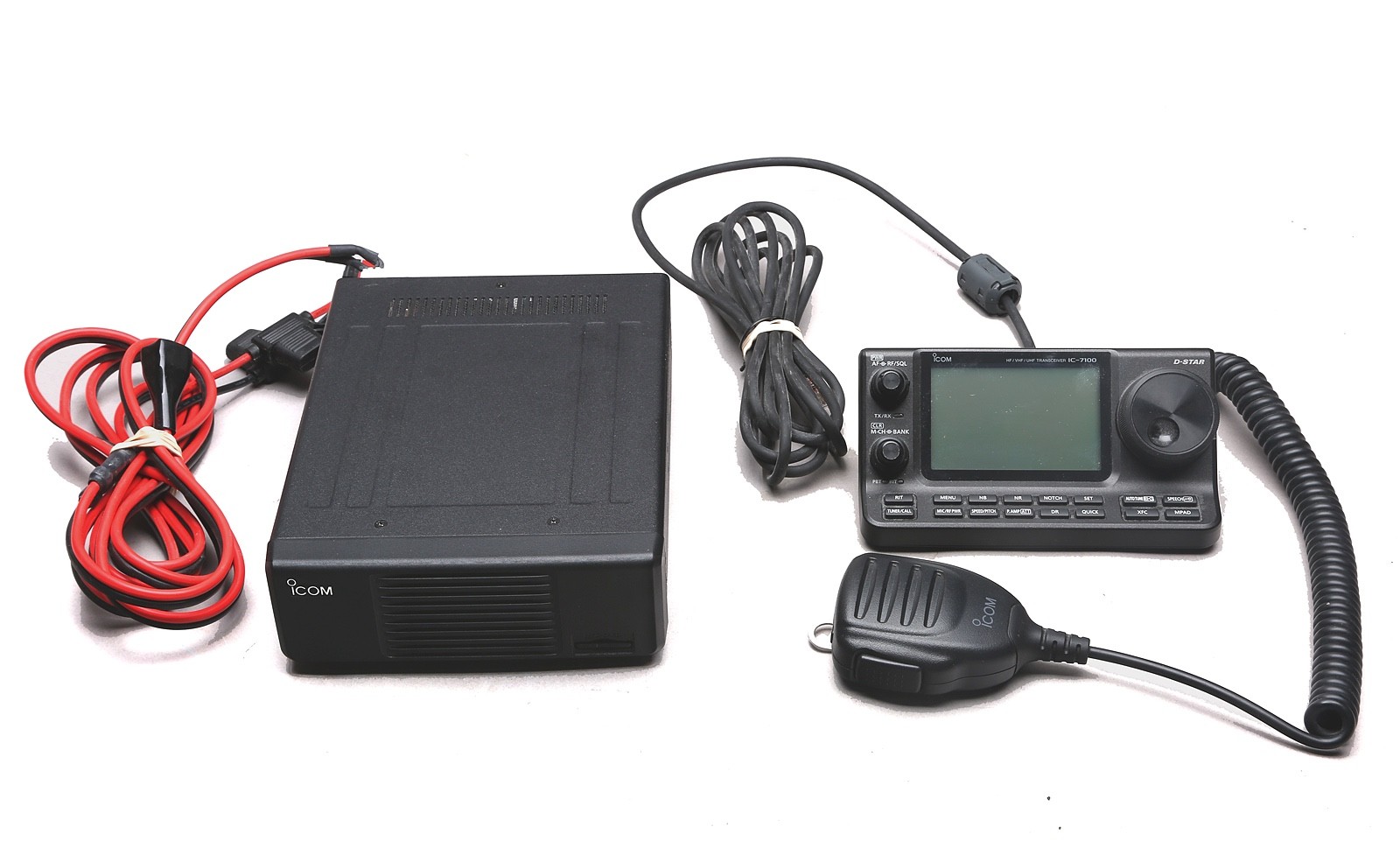
Icom IC-7100 is the more specific choice for a shopper interested in digital voice. D-Star is the concrete draw, and the VHF/UHF scope gives the decision another defined point of comparison. The Icom is marked used, so condition belongs in the decision alongside the feature set. That makes it a fit for buyers who will use digital voice rather than shoppers choosing solely by the black finish. Its tri-band label is a neutral scope marker, not a reason to call one band arrangement superior. Choose Icom when D-Star is the reason for buying.
Final choice by use case
- Station-centered setup: Choose the Kenwood TS-590S, the model whose product name explicitly identifies a base-station role.
- Screen-led digital setup: Choose the Icom IC-7100, whose named feature set is the clearer match for that operating style.