If you are choosing among FPV video systems & goggles, the real decision is often not a dramatic price gap: it is whether the package details, condition, or transmitter configuration best match the build. iFlight BLITZ and SpeedyBee TX800 take different approaches on those points. This guide separates the concrete tradeoffs so you can choose without treating wattage or channel count as automatic proof of range or image quality.
Quick verdict
iFlight BLITZ is the package-focused pick, while SpeedyBee TX800 is the configuration-focused pick. The choice turns on whether you prioritize included hardware and a straightforward transmitter setup, or a New-condition unit with explicitly adjustable settings. Both are 5.8G FPV transmitters, so the deciding details are the package, condition, and stated configuration rather than an assumed performance ranking.
At a glance
| Product | Listed price | Core listed configuration |
|---|---|---|
| iFlight BLITZ 1.6W FPV VTX | USD 36.69 | 5.8GHz FPV VTX; 1.6W |
| SpeedyBee TX800 FPV VTX | USD 41.59 | 48CH FPV VTX; 5.8G antenna |
Where each product wins
iFlight BLITZ
- Included hardware: The package names a wiring harness and an MMCX-to-SMA adapter alongside the transmitter, giving iFlight a clear accessory-focused reason to choose it.
- Straightforward setup details: The 5.8GHz and 1.6W configuration is presented plainly for shoppers comparing transmitter specifications.
SpeedyBee TX800
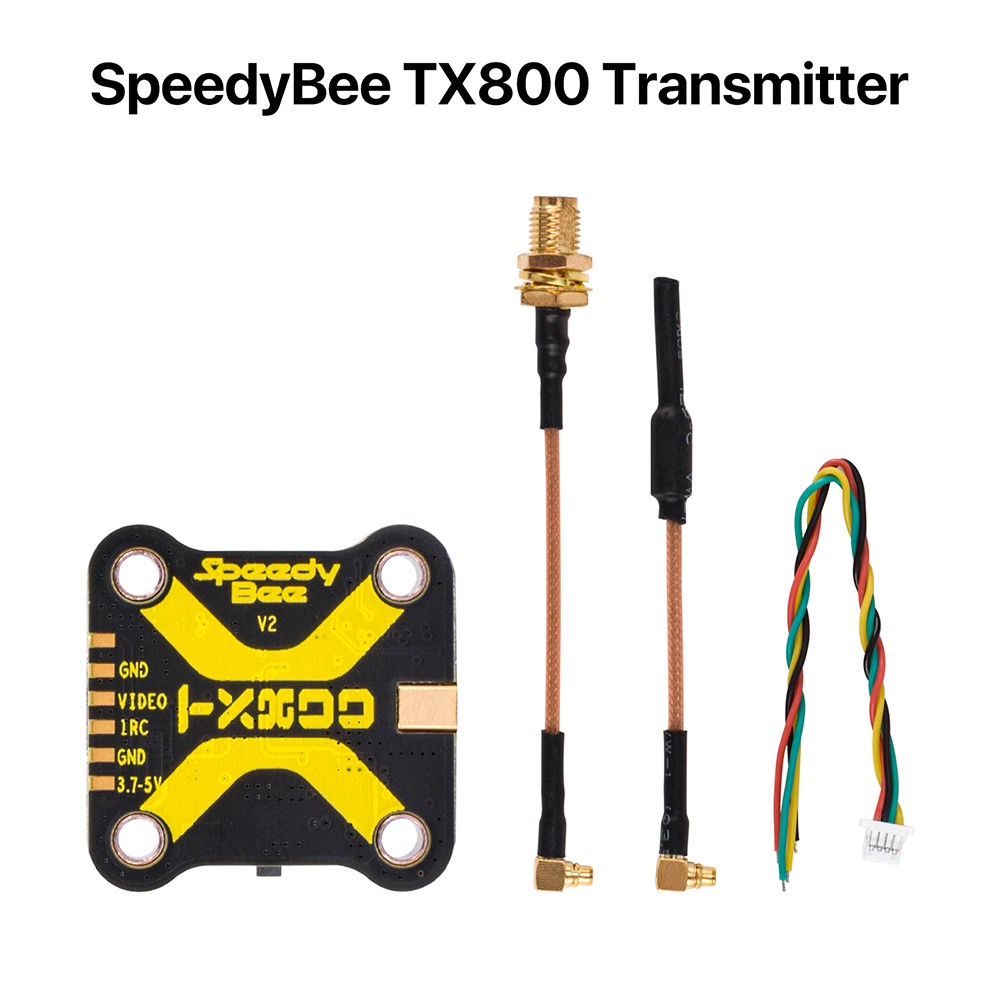
- Adjustable configuration: The TX800 is associated with PitMode settings at 25/200/400/800mW, making it the clearer choice for shoppers who specifically want those output options named.
- Defined FPV format: The 48CH designation and Lollipop 5.8G antenna give the SpeedyBee choice a distinct configuration to compare with iFlight.
Product notes
iFlight BLITZ 5.8GHz 1.6W FPV VTX
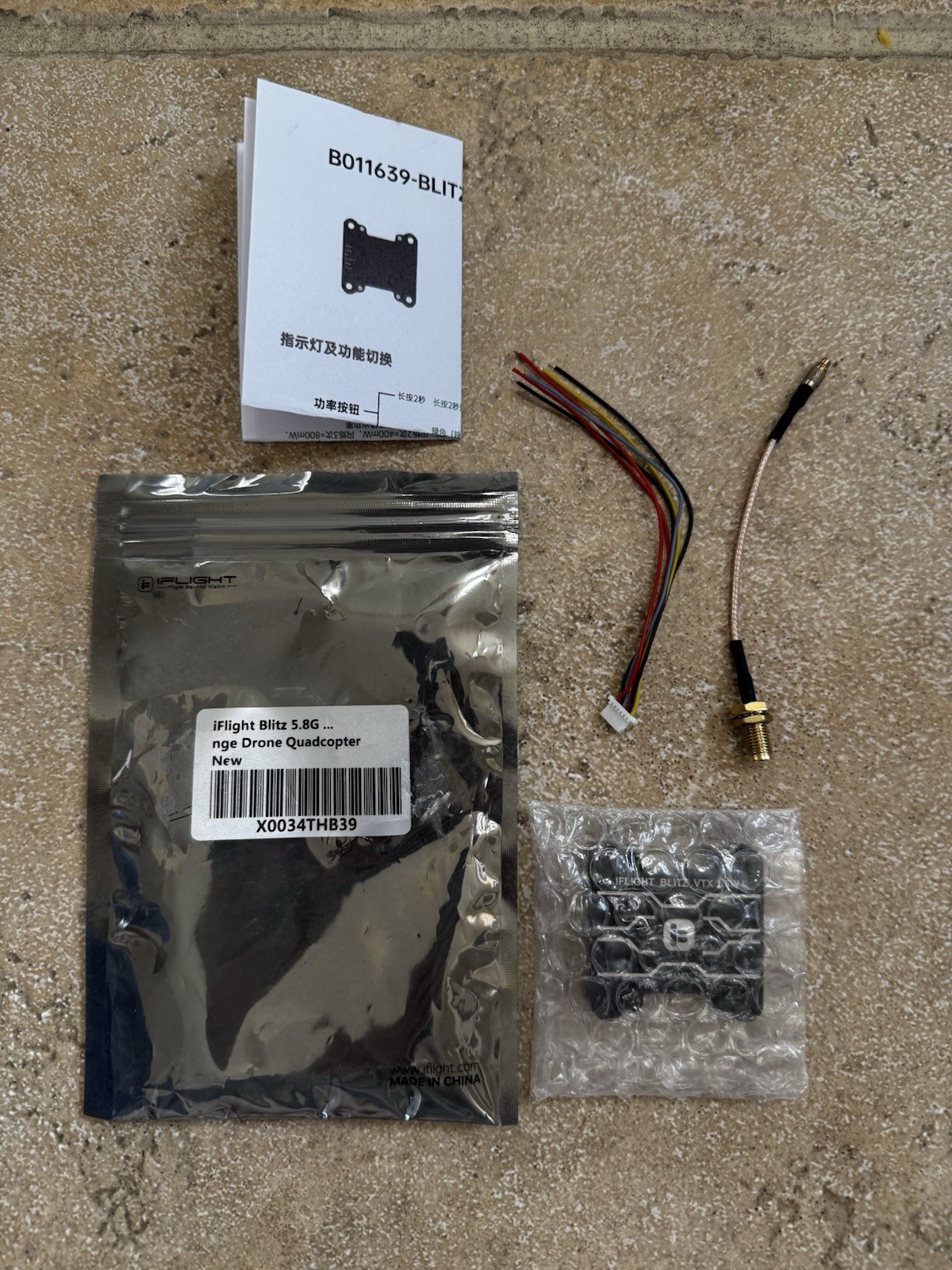
The iFlight BLITZ is the practical choice for a shopper comparing a plainly specified transmitter setup. It is a 5.8GHz FPV VTX with a listed 1.6W output, making those two configuration details a concrete reason to select it when they match the build. The limitation is condition: it is marked Used, with an open-box appearance. The package also identifies black as its color, but that is a cosmetic detail rather than a performance differentiator. The central tradeoff remains a specified transmitter configuration paired with a Used condition. Choose iFlight when the 5.8GHz/1.6W configuration is the deciding criterion.
SpeedyBee TX800 48CH FPV VTX
SpeedyBee TX800 suits a shopper who wants a New-condition VTX and a clear compatibility direction. The compatibility entries are Universal for compatible brand and Electric for fuel type, giving SpeedyBee a concrete reason to choose for an electric RC FPV setup. Its model is identified as TX800, which keeps the choice specific rather than generic. The limitation is scope: it is identified as a VTX, so the purchase is centered on video transmission rather than a broader package described with goggles or a camera. Choose SpeedyBee when New condition and the Universal/Electric entries matter most.
Final choice by use case
- Choose iFlight BLITZ for accessory-led builds: The named wiring harness and MMCX-to-SMA adapter are the deciding details.
- Choose SpeedyBee TX800 for adjustable-output builds: Its named PitMode settings at 25/200/400/800mW make that use case the better match.
- Choose SpeedyBee TX800 when condition is the tie-breaker: New condition is the concrete reason to go that way.
- Choose iFlight BLITZ when price is the tie-breaker: It carries the lower listed price shown in the comparison table.
The short version is iFlight for the accessory package and lower listed price, SpeedyBee for New condition and adjustable configuration. Use the technical numbers as configuration markers, not as a standalone range or image-quality verdict.