Choosing among ham radio transceivers means resolving a real trade-off: do you want the Icom IC-7100's defined control and digital feature direction, or the Kenwood TS-520SE's lower listed price and SSB & CW focus? The gap is $510.01, so this is a meaningful choice rather than a small spec-sheet tie. Both are listed as used, which makes condition part of the decision alongside bands, controls, and price. The best match is the radio whose specific features fit your operating plan.
Quick verdict
The split is clear: the Icom IC-7100 is the feature-led choice, while the Kenwood TS-520SE is the price-led choice. The deciding question is whether the Kenwood's stated condition caveat fits your tolerance. It is sold as is and was not fully tested, with possible adjustments or additional cleaning noted. That makes the Kenwood a more conditional choice, even though its lower listed price is easy to see.
At-a-glance comparison
| Comparison point | Icom IC-7100 | Kenwood TS-520SE |
|---|---|---|
| Listed price | USD 760.00 | USD 249.99 |
| Price difference | $510.01 higher | $510.01 lower |
| Band type | Tri Band | HF, Mono Band |
| Condition | Used | Used |
| Color | Black | Gray |
Where each product wins
- Icom IC-7100: This radio wins for shoppers who want a defined control interface: it has a sloped, detachable touch-screen controller. It also includes bolt-in D-Star digital voice, making that named digital feature a concrete reason to favor the Icom. The advantage here is fit, not a claim that one numerical specification guarantees better operation. If your setup is built around touch control or D-Star, the IC-7100 is the more direct match.
- Kenwood TS-520SE: Kenwood wins when lower listed price is the first filter. It also has a clear SSB & CW focus in its title, giving it a direct match for someone shopping around those named modes. That does not make its HF, Mono Band label inherently better than the Icom's Tri Band label; those are raw specifications to compare. The as-is, not-fully-tested caveat is the trade-off to weigh before choosing it.
Product notes
Icom IC-7100
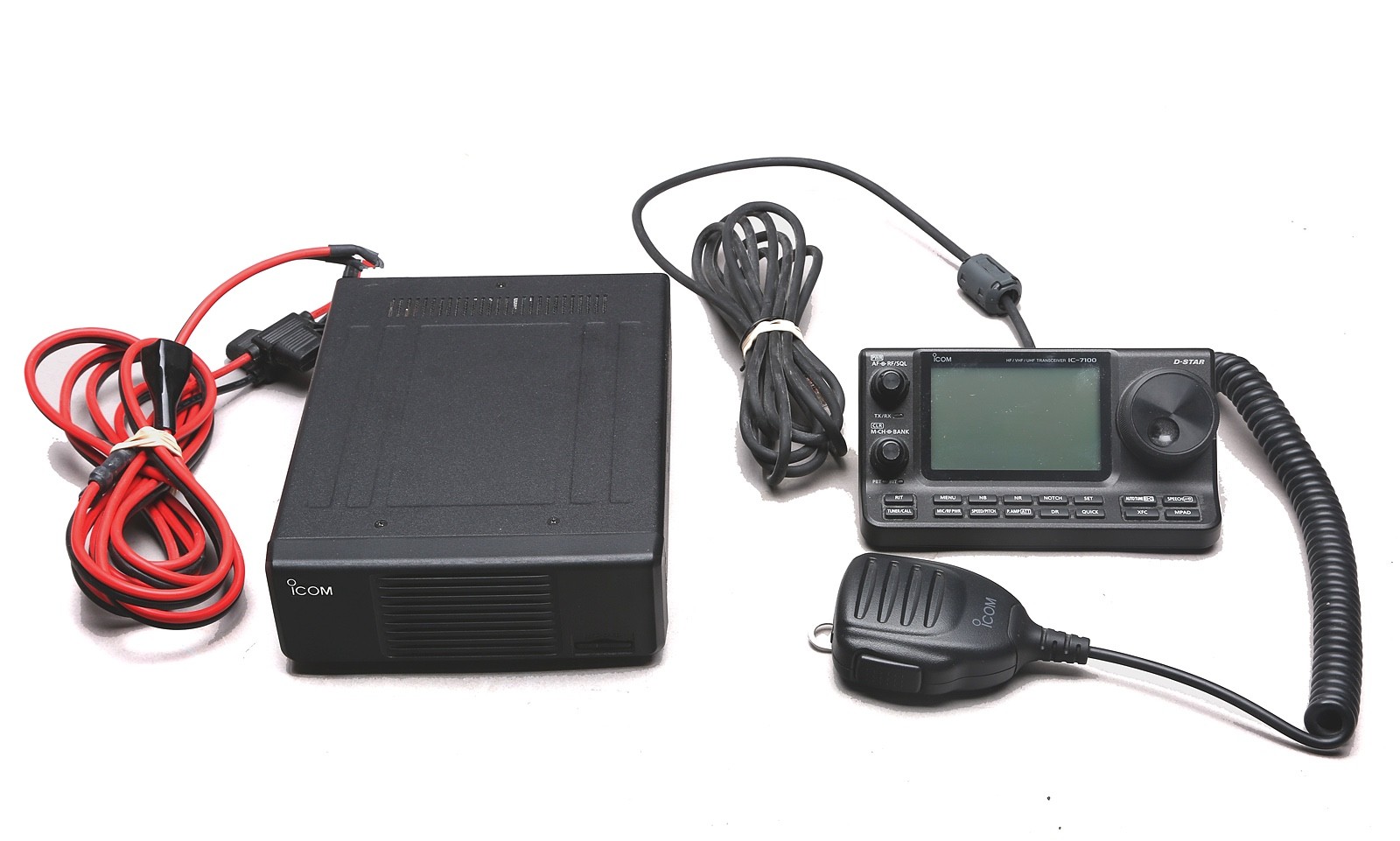
The Icom IC-7100 gives you a concrete specification set beyond its control layout: up to 100W of output on HF and 6m, plus an LCD screen and black finish. Treat the output figure as a number to match against your setup, not as proof of superior performance. Those stated specifications are a reason to choose it when they fit your needs. The limitation is that it is listed as used and occupies the higher price position in this comparison. If the output figure and LCD screen are not priorities, that higher price position is harder to justify. Its strongest case is a shopper who wants a clearly defined interface and a radio with named digital-voice capability.
Kenwood TS-520SE
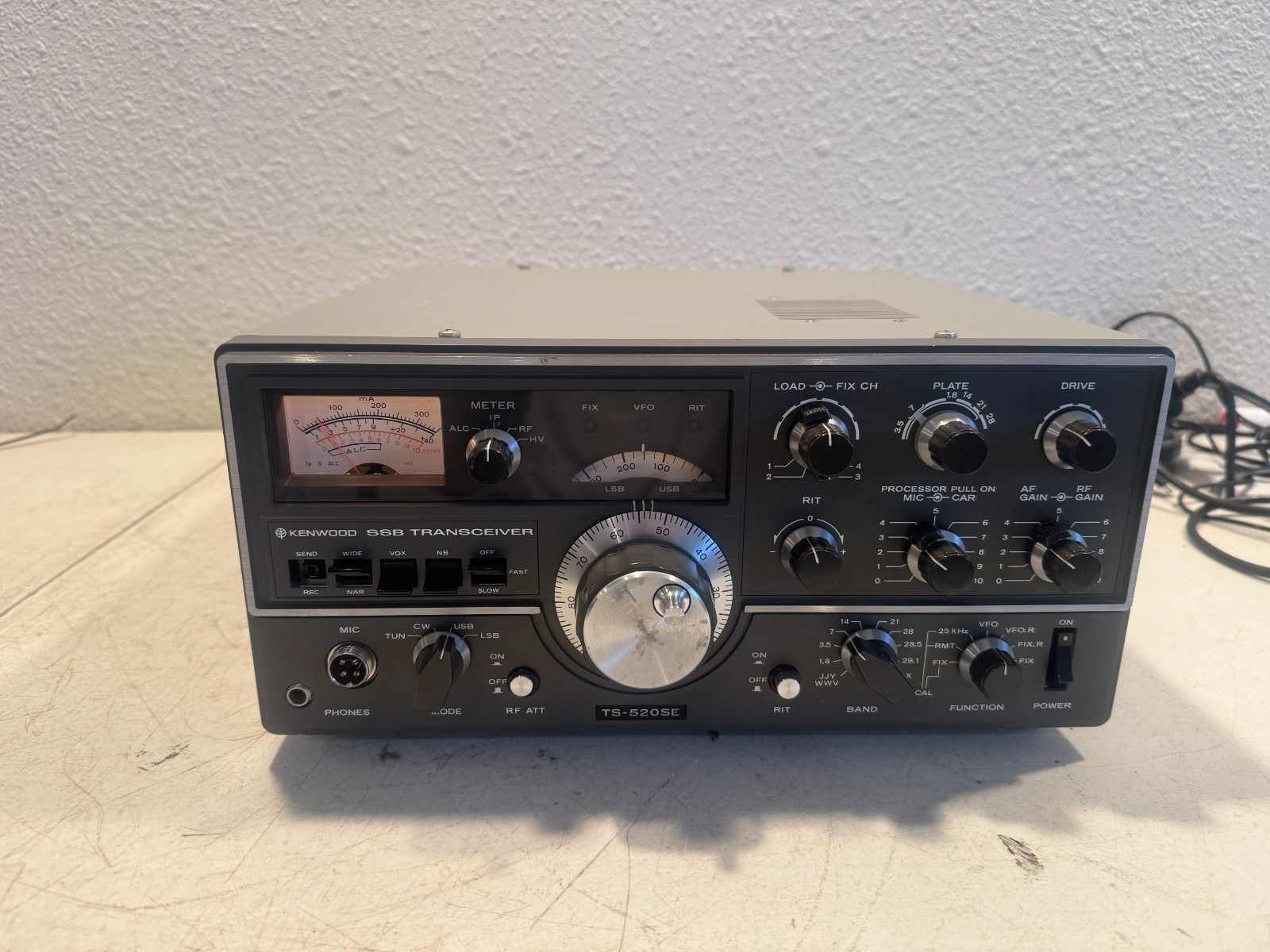
The Kenwood TS-520SE gives shoppers two concrete anchors: a 10M-160M range in the title and Auto-Scan among its features. Those details are useful when they align with the bands and control function you want, without implying that the numeric range is automatically superior. The limitation is explicit and important: it is sold as is, was not fully tested, and may need adjustments or more cleaning. That condition caveat can outweigh the radio's other advantages for someone who needs a more predictable purchase. Choose the Kenwood when the range and Auto-Scan fit your plan and an as-is unit is acceptable.
Final choice by use case
- For integrated control and digital voice: choose Icom IC-7100, specifically for its detachable touch-screen controller and D-Star digital voice.
- For SSB & CW-focused shopping: choose Kenwood TS-520SE, whose title makes those modes central.
- For a purchase where as-is status is unacceptable: do not choose the Kenwood solely for its SSB & CW focus; its stated testing and adjustment caveats are central to the decision.
In short, the Icom is the clearer fit for shoppers selecting around interface and digital voice, while the Kenwood fits a buyer who prioritizes its named SSB & CW focus and accepts the condition uncertainty.