Shopping for coax, connectors & portable cases starts with one important choice: do you need coaxial cable with RF connectors, or a balanced twin-lead feed line? The GC Electronics 14-322-2C32 is aimed at the second job, offering 75 feet of 300-ohm twin-lead cable for antenna and amateur-radio applications.
Quick verdict
At USD 44.95, this cable makes the most sense when your setup calls for a long, balanced 300-ohm feed line rather than a terminated coax assembly. Its 75-foot length and 22 AWG stranded bare-copper conductors give you a clearly defined cable format to work with. The main limitation is equally clear: it has no connector on either end, so RF coax connectors or an SO-239 connector are not included.
GC Electronics 14-322-2C32 75FT Twin-Lead Antenna Cable
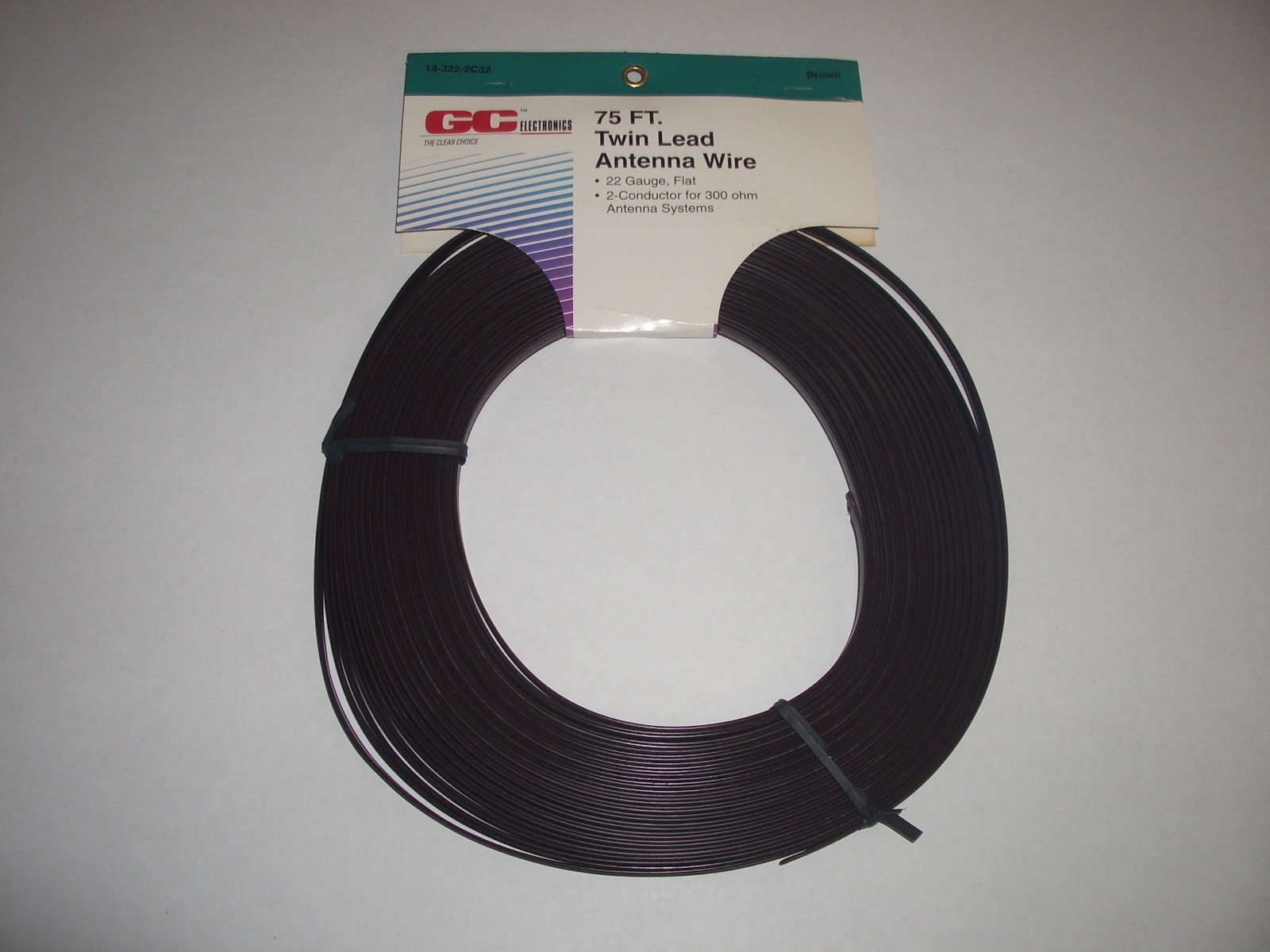
Choose this cable when the useful combination is a 75-foot run, 300-ohm impedance, and twin-lead construction. The brown flat ribbon uses two conductors spaced 0.30 inches apart inside a molded polyethylene web, and it is described for VHF/UHF TV antennas, FM broadcast antennas, and low-loss amateur-radio HF balanced feed lines.
The trade-off is the unfinished cable end. With no connector supplied, the GC Electronics cable is not a ready-made coax jumper, and it does not arrive fitted with a connector for a radio or antenna system. That makes the cable format and your intended connection method important parts of the buying decision.
Who it suits
This is a sensible fit for an amateur-radio user specifically working with a balanced HF feed line, as well as someone replacing or extending a twin-lead antenna run. The 75-foot length is useful when a shorter cable would not reach the antenna position, while the cable's 300-ohm specification identifies the type of feed line it is.
It is less suited to a shopper searching for a conventional coax cable kit with preattached RF connectors. The product is twin lead, not coax, and the listed connection details are "no connector" for both ends. If your project is centered on connecting through an SO-239, plan around the cable's bare-ended format rather than expecting an included plug-and-play lead.
What stands out from the listed details
The cable uses 22 AWG 7/30 stranded bare copper conductors and polyethylene insulation. Its stated nominal velocity factor is typically 80% the speed of light, and the listed attenuation figures range from 1.1 dB at 100 MHz to 4.5 dB at 900 MHz. Those numbers describe the cable's electrical specifications; they do not by themselves determine whether it is the right choice for every frequency or installation.
Meaningful trade-offs
The strongest reason to choose the GC Electronics cable is its clearly specified long twin-lead format. The strongest reason to pass is the lack of installed connectors. Its brown ribbon construction may also be less convenient than a round cable for projects designed around coax routing, but the deciding issue remains whether your equipment and antenna arrangement call for balanced 300-ohm feed line.
Bottom line
The GC Electronics 14-322-2C32 is a focused purchase for a 75-foot, 300-ohm twin-lead antenna run. At USD 44.95, it offers a defined cable length and electrical format, but not RF terminations. Buy it for the balanced feed-line specification-not as a substitute for a finished coax cable with connectors.