Choosing among FPV motors & ESCs means balancing a motor's electrical configuration against the frame, propeller hardware, wiring, and budget. The practical question is whether the CM 3115 TAURUS FPV Drone Motor fits the build you already have in mind-not whether one technical number sounds impressive on its own.
Quick verdict
The CM 3115 TAURUS is a focused motor choice with a defined 900KV option and a listed price of USD 54.90. Its description gives useful physical and wiring information, including a 37.1 × 52.8 mm motor size, a 5 mm shaft, M3×4 mounting holes, and a 300 mm cable. That makes it easier to compare against a planned frame and power setup. The trade-off is that the decision depends heavily on whether those fixed specifications suit your build.
Who it suits
This motor makes sense for an FPV builder working with a known mounting and propeller setup. The 5 mm propeller mounting holes and M3×4 motor mounting holes provide concrete hardware measurements to account for before choosing it. It is also worth considering when the 900KV configuration matches the electrical specification already selected for the aircraft.
Product note
CM 3115 TAURUS FPV Drone Motor
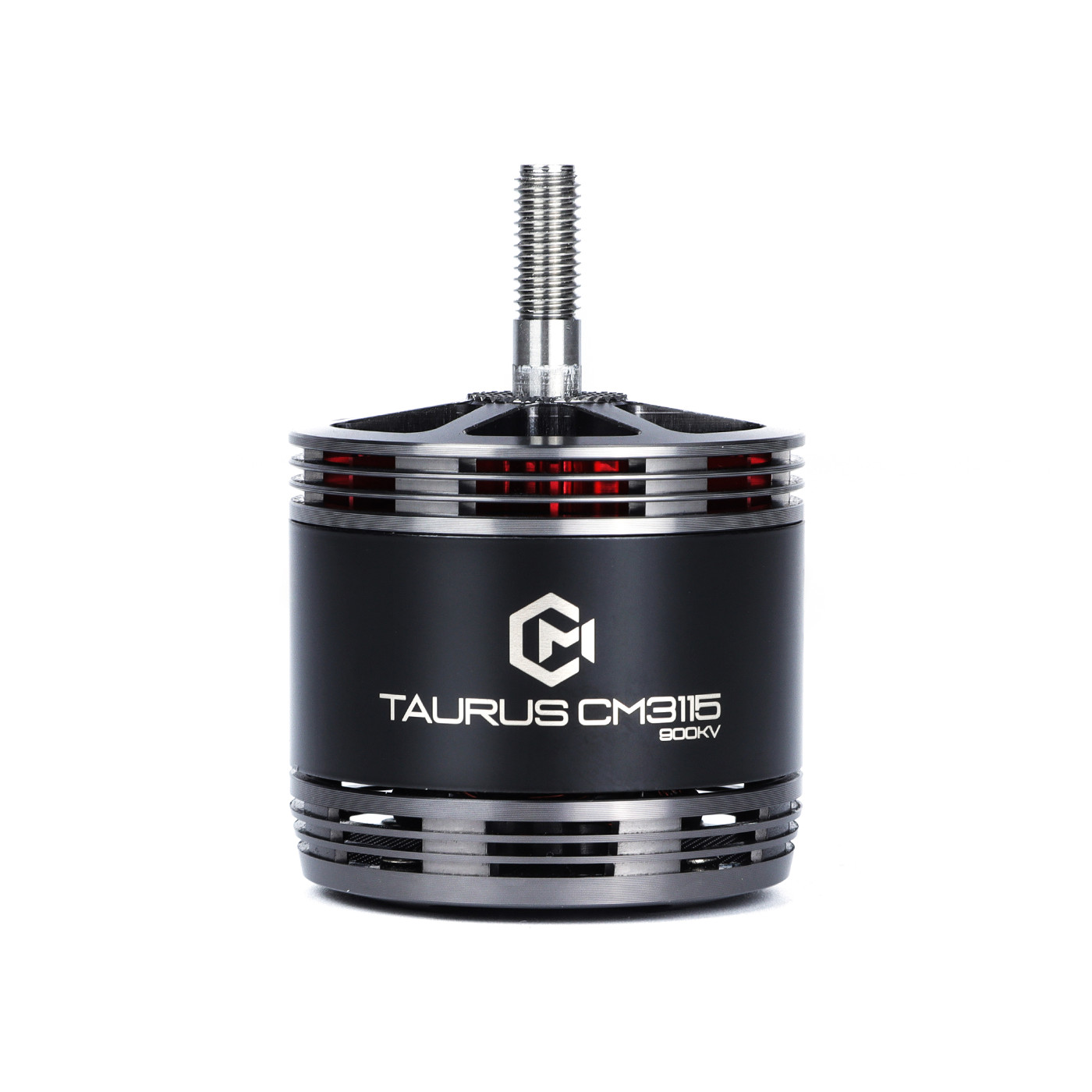
A concrete reason to choose the CM 3115 TAURUS is the combination of a 300 mm 18# AWG silicone cable and a 5 mm shaft, giving the build a clearly stated wiring length and shaft measurement to work around. The description also identifies two 685 bearings, seven pole pairs, and a stator using anticorrosive varnished wire.
The limitation is physical rather than mysterious: the motor is specified at 37.1 × 52.8 mm, so that size needs to suit the intended layout. The cable length is also a fixed part of the installation planning. Those details make the motor easier to assess, but they leave little room for treating fit as an afterthought.
What stands out from the specifications
The CM 3115 TAURUS description is unusually concrete about construction details for a short product entry. It includes the 220°C specification, a 500 V disruptive-test entry, and the stated bearing configuration. These are useful points for a shopper comparing technical requirements, but they do not establish flight behavior, sound level, efficiency, or overall superiority. They should be read as selection details rather than promises about how the finished aircraft will perform.
Meaningful trade-offs
The 900KV figure is best treated as a matching requirement, not a standalone performance verdict. The same applies to the motor's dimensional and mounting measurements: they are raw specifications that must agree with the rest of the build. The item is described as a motor, so choosing an ESC remains a separate part of planning rather than something to assume from the motor name.
Bottom line
Choose the CM 3115 TAURUS FPV Drone Motor when its 900KV configuration and stated physical measurements align with your build, and when USD 54.90 fits the project budget. Its clearly documented shaft, mounting, cable, and construction specifications make it a practical candidate for a specification-led purchase. If your build calls for different electrical or physical requirements, this configuration is not the one to select.