When you're shopping for room acoustics, seating & cables, the hardest part may be recognizing that a panel and a cable are not interchangeable upgrades. One is intended to address reflections and reverberation in the room; the other is intended to connect speakers. Choose based on the next task in your theater plan, not just the similar prices.
Quick verdict
Choose wood wall panels acoustic panel decorative for home theater studio office Hotel when the priority is sound absorption, reduced reverberation, and a finished White Oak look. Choose 16 AWG Gauge Speaker Wire Cable Stereo, Car or Home Theater, CCA (100 Feet when the priority is running speaker cable through a home theater system. The $1.39 price spread is small, but the jobs are distinctly different.
At a glance
| Product | Primary job | Key listed detail | Price |
|---|---|---|---|
| Wood wall panels acoustic panel | Room sound treatment | 1 ft² coverage; White Oak; water resistant | USD 29.99 |
| 16 AWG Speaker Wire Cable | Speaker wiring | 100 feet; CCA construction; raw ends | USD 28.60 |
Where each product wins
Wood wall panels win for room-focused sound control
The panel is the direct fit when unwanted echo or reverberation is the concern. Its high-density polyester fiberboard and spaced wood slats are designed to absorb sound and reduce background noise, and the description gives an NRC of 0.5 in connection with that purpose. The listed water-resistant feature and compatibility with wood, drywall, fiberglass, metal, and PVC also make it the more relevant choice for planning a wall treatment.
16 AWG speaker wire wins for the connection task
The cable is the practical match when the next step is connecting speakers. It uses a double conductor with multiple strands and copper-clad aluminum construction, and it is described for home theater, stereo, car audio, and studio use. The 100-foot length gives the purchase a clear wiring role, while the raw ends leave the final connection approach open. It addresses signal routing, not room reflections.
Neither choice replaces the other: a cable cannot perform the panel's acoustic role, and a panel cannot provide a speaker connection.
Product notes
Wood Wall Panels Acoustic Panel
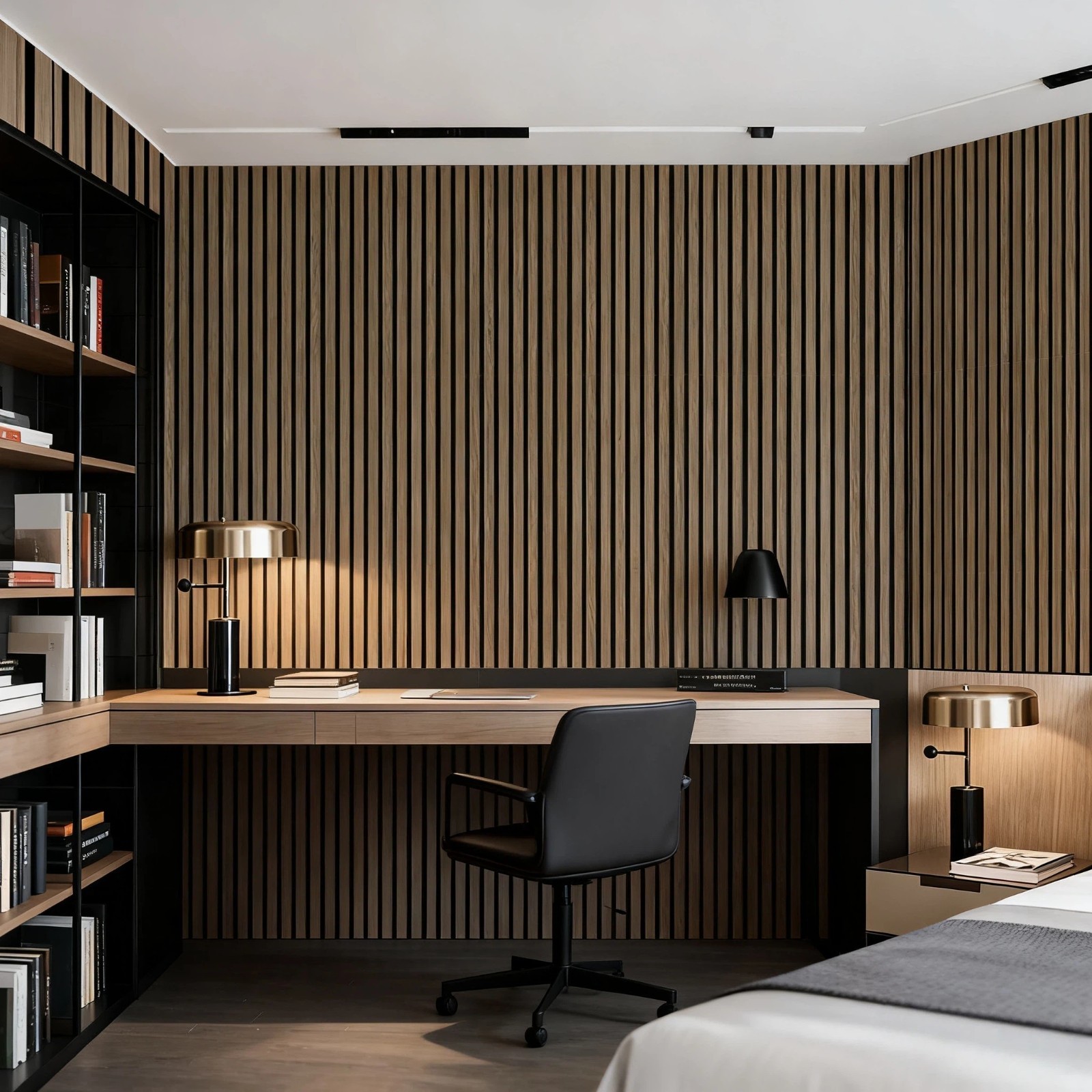
The wood wall panels acoustic panel is the more direct match for improving the listening room itself. Its listed features include high density, water resistance, and soundproofing insulation, while its stated purpose centers on sound absorption and reduced reverberation. White Oak gives the panel a clear visual direction, and the named compatible surfaces include wood, drywall, fiberglass, metal, and PVC. Choose it when the phrase acoustic panel describes the next job in your theater plan. The practical limitation is quantity: coverage is 1 ft² and the pack count is 1, so planning needs to account for the single measured area. That makes the panel a focused treatment component rather than a complete room-wide solution by itself.
16 AWG Speaker Wire Cable
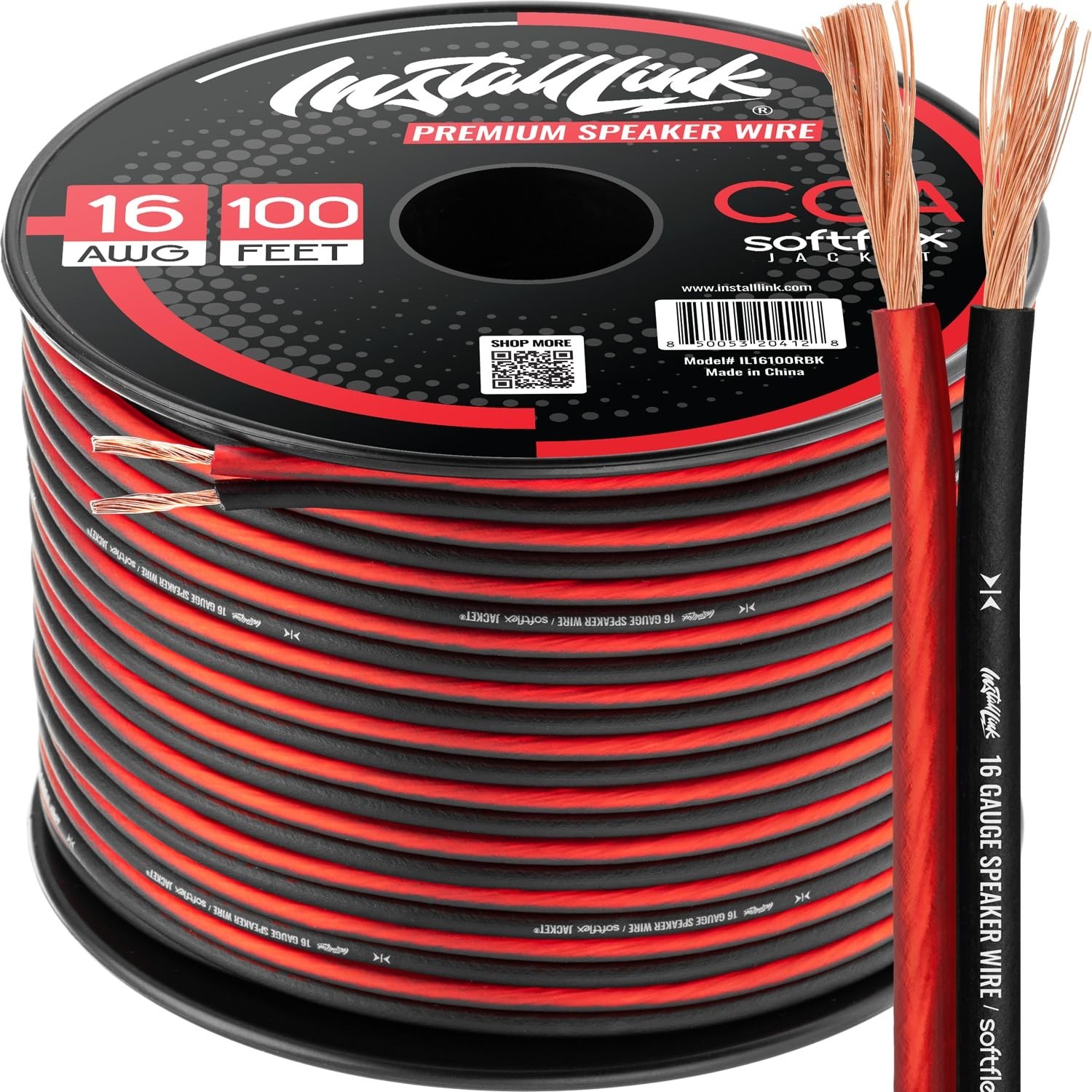
The 16 AWG Speaker Wire Cable is the better fit for the connection side of a theater build. It is described for stereo, car, home theater, and professional studio use, with a double conductor, multiple strands, and copper-clad aluminum construction. Both connector entries are None/Raw, so the cable arrives without attached connector hardware and requires an end-connection plan. That is its clearest limitation, but it can also suit a custom wiring setup where the installer chooses the termination approach. It is marked compatible with Universal models. Choose it when the immediate need is speaker wiring rather than acoustic treatment; its role is carrying a speaker connection, not reducing reverberation in the room.
Final choice by use case
- For room acoustics: Choose wood wall panels acoustic panel because sound absorption and reduced reverberation are central to its stated purpose.
- For speaker connections: Choose 16 AWG Speaker Wire Cable because its title, double-conductor construction, and home theater use all point to wiring.
- For a price tie-breaker: The $1.39 spread should not outweigh the job difference. Pick the panel for room sound treatment and the cable for speaker routing; a theater project that needs both tasks may call for both types of component.