Choosing an FFC/FPC adapter for computers peripherals comes down to an unforgiving detail: the cable's pin count and pitch must correspond to the board. These two uxcell cable connectors sit close in listed price, but they serve notably different connection layouts. The 30-pin board is aimed at a higher-count flat-cable connection, while the bent-pin adapter is built around four pins.
Quick verdict
Choose the FFC FPC Connector Board 30 Pins Double Row Male Pin Header Strip Adapter when your project calls for a 30-pin flat-cable connection, a 0.5 mm socket-side pitch, and a double-sided board with a single flat-cable socket. Choose the 4Pin 1.0 to 2.54 mm Double Row of Bent Pins Pull-down FFC FPC Adapter Board when the required connection is four pins with a 1 mm socket-side pitch and a bent-pin, pull-down arrangement.
At USD 14.22 and USD 14.84 respectively, the listed price difference is $0.62. That small gap makes the connector specification-not price-the practical deciding factor.
At-a-glance comparison
| Adapter board | Listed price | Connection layout | Pitch details | Overall size |
|---|---|---|---|---|
| 30-Pin FFC/FPC Connector Board | USD 14.22 | 30 pins; double-sided board with single flat-cable socket | 0.5 mm socket side; 1.0 mm back side; 2.54 mm DIP | 26 x 40 mm |
| 4Pin Bent-Pin FFC/FPC Adapter Board | USD 14.84 | 4 pins; double row of bent pins, pull-down format | 1 mm socket side; 0.5 mm back side; 2.54 mm DIP | 32 x 17.5 mm |
Both are new uxcell cable connectors with a 2.54 mm DIP pitch. Both are intended to connect flexible cables or flexible printed circuit boards in compact electronic equipment. The key differences are the number of pins, the socket-side pitch, the pin orientation named in the second adapter's title, and the board dimensions.
Where each adapter board wins
- 30-Pin FFC/FPC Connector Board: Better aligned with a higher-count flat-cable arrangement. Its 0.5 mm socket-side pitch and double-sided PCB-support format make it the more specific choice for the 30-pin connection described here.
- 4Pin Bent-Pin FFC/FPC Adapter Board: Better aligned with a smaller-count connection that calls for a 1 mm socket-side pitch. The bent-pin, pull-down format is the defining layout distinction, while its 17.5 mm board width is narrower than the 30-pin board's 40 mm width.
Product notes
FFC FPC Connector Board 30 Pins Double Row Male Pin Header Strip Adapter
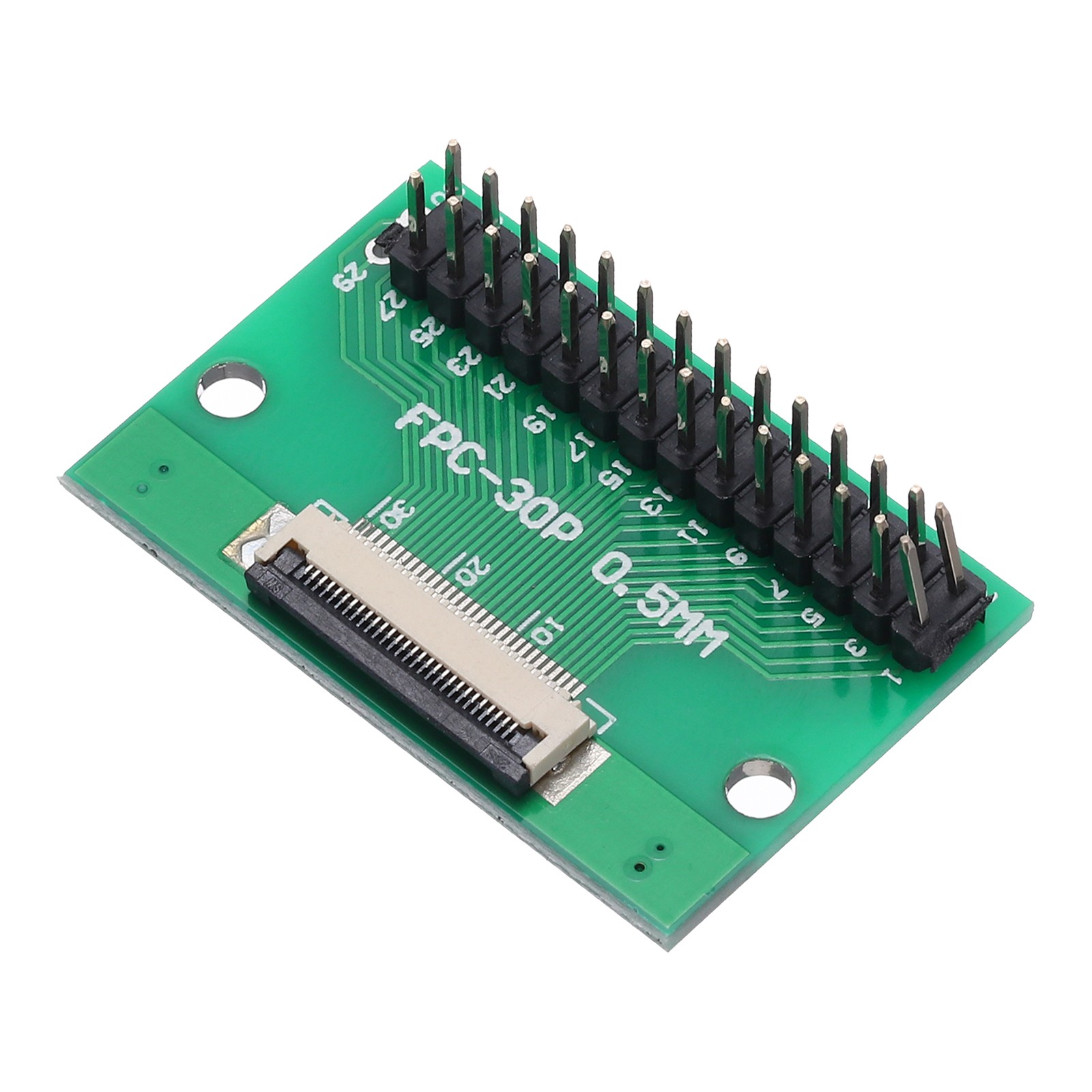
The 30-pin adapter is the clear direction for a connection that needs a higher pin count rather than a simple four-pin interface. Its stated double-sided board type and single flat-cable socket give it a focused role as a flat-flex or flexible-PCB transition board, and the 26 x 40 mm overall size provides a larger rectangular board format. The USD 14.22 listed price is also the lower of the two prices in this comparison. Its limitation is equally clear: the 30-pin configuration is specialized for a cable and connector arrangement with that pin count, so it is not the matching choice for the four-pin layout covered by the bent-pin board.
4Pin 1.0 to 2.54 mm Double Row of Bent Pins Pull-down FFC FPC Adapter Board
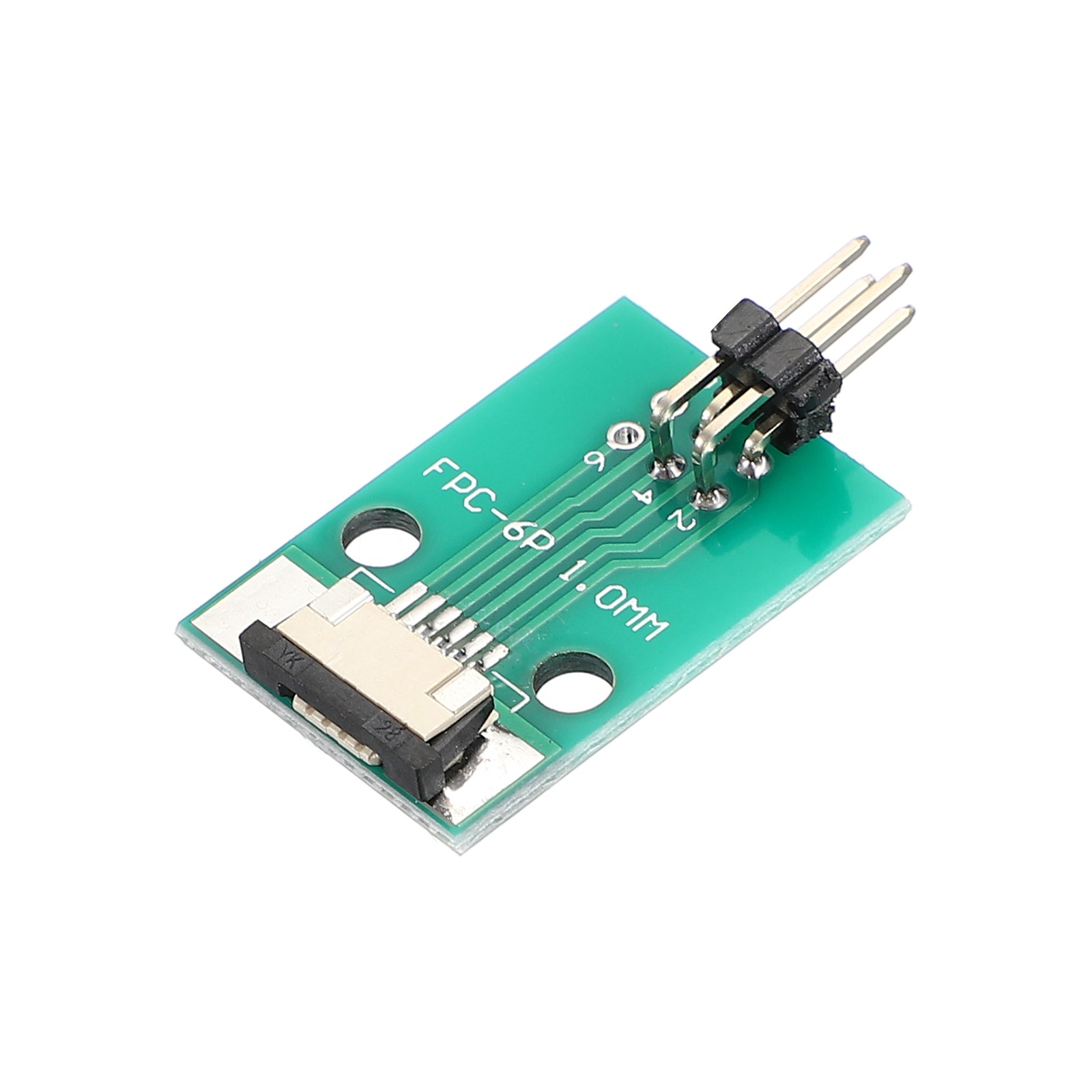
The 4Pin adapter is the more appropriate pick when the project is built around a four-pin FFC/FPC connection and a 1 mm socket-side pitch. Its title specifically calls out double-row bent pins and a pull-down format, providing a different connector geometry from the 30-pin male-header-strip adapter. The 32 x 17.5 mm board is longer but substantially narrower than the other board, which may suit a layout centered on a narrow board width. The limitation is its four-pin focus: it cannot take the place of the 30-pin adapter where a higher-count flexible cable connection is required. Its listed price is USD 14.84.
Final choice by use case
Pick the 30-Pin FFC FPC Connector Board for a 30-pin flat-flex connection with a 0.5 mm socket-side pitch and a larger double-sided board format. Pick the 4Pin Bent-Pin FFC FPC Adapter Board for a four-pin connection with a 1 mm socket-side pitch, bent pins, and a narrower board width. Because the listed prices are so close, matching the exact cable arrangement is the decision that matters most.