
Photos from current listings. Actual item, color, and included accessories may vary.
Vinyl Record Album Buying Guide
Vinyl record albums are 12-inch 33⅓ RPM long-playing records that store analog audio in spiral grooves, and the primary trade-off is pressing quality and mastering source versus condition and completeness. A durable, high-value album is a clean, well-mastered pressing with a sturdy sleeve and anti-static inner; avoid warped, groove-worn, or incomplete copies regardless of artist.
Median $16.99
Key takeaways
- Standard LP format is 12-inch diameter at 33⅓ RPM; 7-inch 45 RPM singles and 10-inch records require different turntable speed and tonearm settings.
- Pressing weight separates tiers: 120-140g is standard retail, 180-200g is audiophile-grade and resists warping under heat and repeat play.
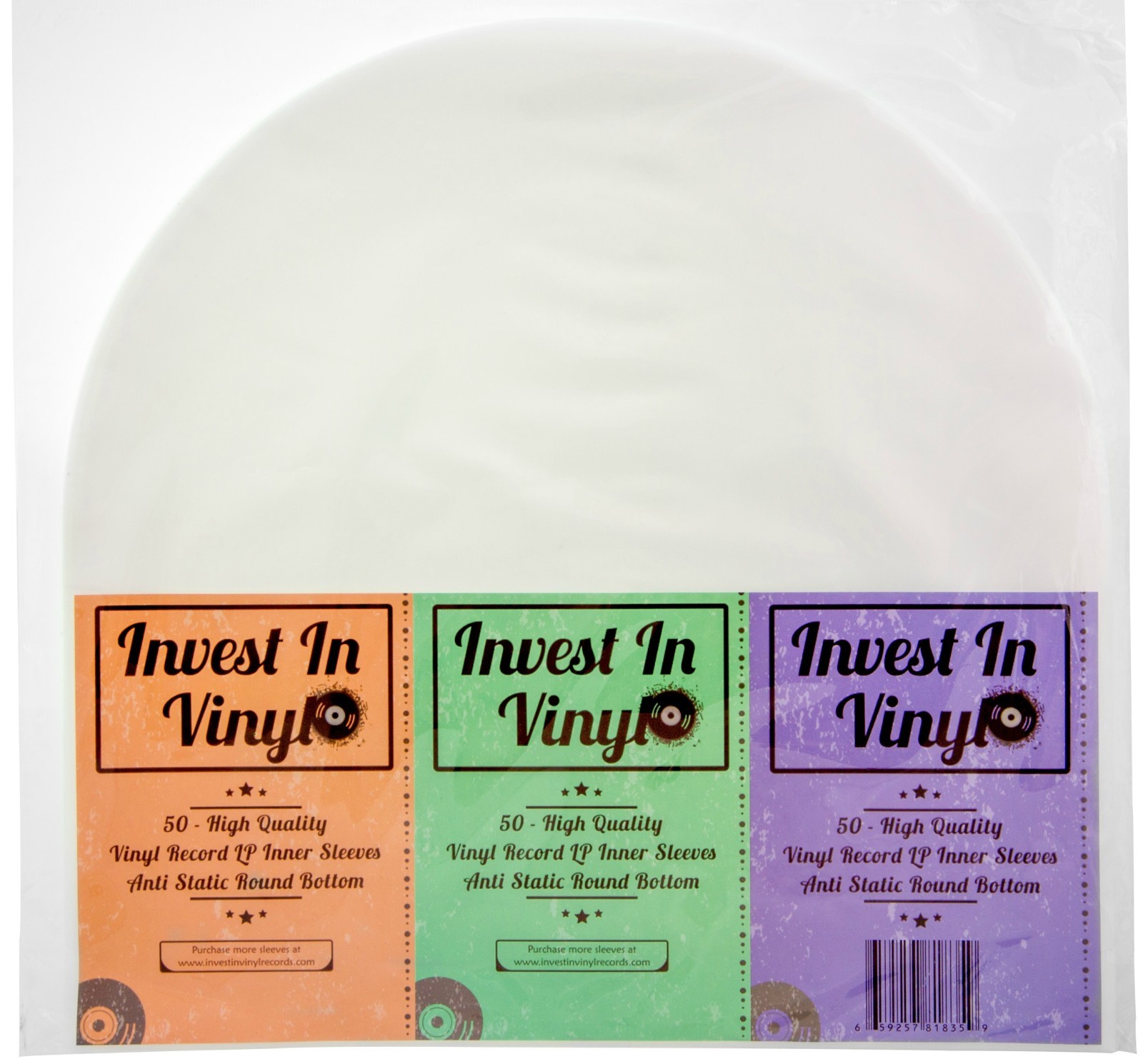
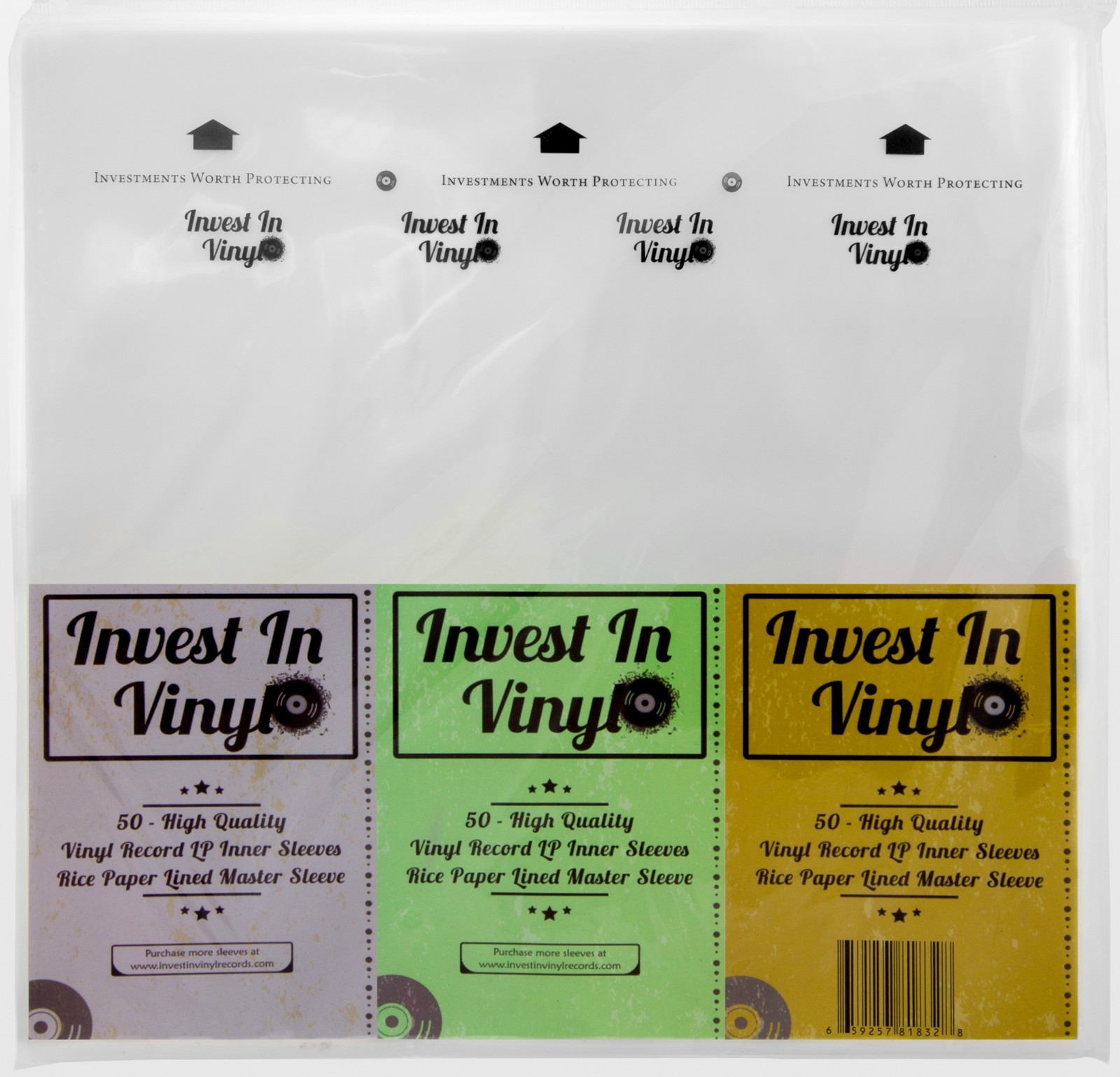
- Inner sleeve material directly affects surface noise: rice-paper-lined anti-static sleeves outperform plain paper, which sheds fibers and generates static.
At a glance
- Category
- Vinyl Records
- Last updated
- Nov 28, 2026
Current offers
Highlights
- Standard LP format is 12-inch diameter at 33⅓ RPM; 7-inch 45 RPM singles and 10-inch records require different turntable speed and tonearm settings.
- Pressing weight separates tiers: 120-140g is standard retail, 180-200g is audiophile-grade and resists warping under heat and repeat play.
- Inner sleeve material directly affects surface noise: rice-paper-lined anti-static sleeves outperform plain paper, which sheds fibers and generates static.
- Mastering source matters more than weight: all-analog lacquer cuts from original tapes beat digitally sourced reissues on the same 180g vinyl.
Best use cases
- Pick a 180g all-analog pressing for a primary listening system with a quality cartridge; skip standard-weight reissues if surface noise and warp resistance matter.
- Choose a clean original or early pressing for collectible rock, jazz, or soul where first-generation mastering defines the sound; avoid later budget reissues.
- Buy sealed standard LPs for casual background listening and gifting; skip audiophile tiers when the turntable lacks adjustable tracking force or anti-skate.
- For a children's or spoken-word album, select the correct 7-inch 45 RPM format and confirm it fits the turntable's spindle and speed; skip 12-inch LP versions of abridged storybooks.
Buying tips
- Confirm the record diameter and speed before buying: 12-inch/33⅓ RPM for albums, 7-inch/45 RPM for singles and storybook records—mismatched speed ruins pitch.
- Inspect or ask for sleeve grade and vinyl grade separately; VG+ vinyl with a G+ sleeve is a better play copy than the reverse for listening.
- Check pressing weight and mastering notes: 180g and 'all-analog' or 'cut from original masters' signal a higher tier than unmarked standard pressings.
- Match inner sleeve to climate: rice-paper anti-static liners in dry or static-prone rooms; replace plain paper immediately on used albums to protect grooves.
Specs
| Format / Speed | 12-inch LP 33⅓ RPM vs 7-inch 45 RPM |
|---|---|
| Vinyl Weight | 120-140g standard / 180-200g audiophile |
| Mastering Source | All-analog vs digital remaster |
| Inner Sleeve | Anti-static rice paper vs plain paper |
Related searches
What to check before buying
- Verify your turntable supports 33⅓ and 45 RPM and has adjustable tracking force before buying audiophile or 45 RPM records.
- Measure storage: 12-inch LPs need 12.5-inch-deep shelving; 7-inch singles need 7.5-inch dividers—standard 12-inch bins waste space for singles.
- Confirm the album is complete: count discs and check for inserts, booklets, or download codes, since incomplete sets lose value.
- Check jacket condition for seam splits and water damage; a warped or moldy sleeve often indicates vinyl stored in damp or hot conditions.
FAQ
Data sources: eBay / Amazon listings and product attribute feeds. Updated Nov 28, 2026.
Some links on this page are affiliate links. If you buy after clicking one, we may earn a commission at no extra cost to you. This does not change which products appear here or their order. Affiliate disclosure.