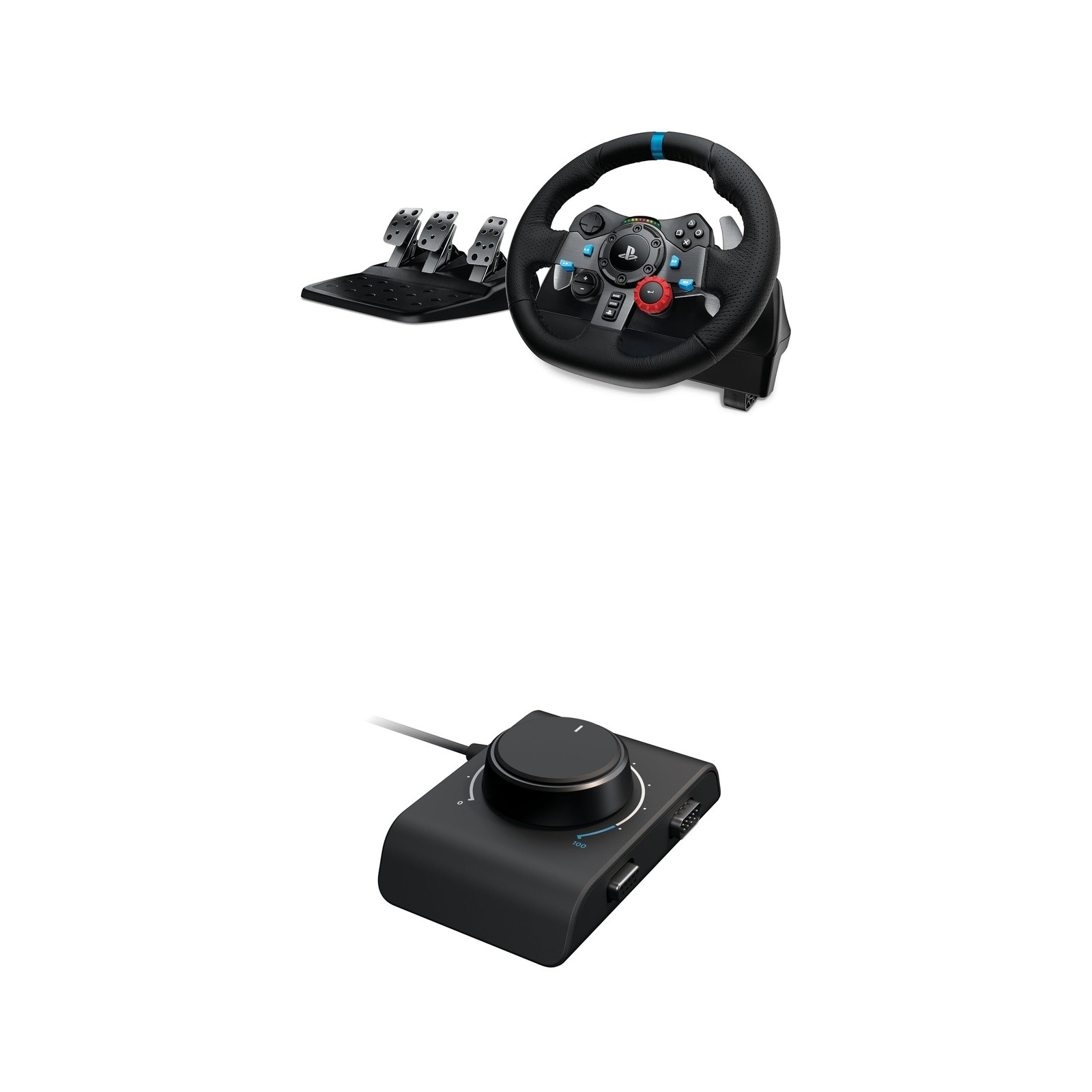

Photos from current listings. Actual item, color, and included accessories may vary.
Racing Sim With Motion Buying Guide
Motion adds physical feedback that transforms lap consistency and car control, but it also imposes strict space, power, and budget constraints that catch first-time buyers off guard. The right motion system depends on whether you prioritize pitch/roll realism, seat-of-pants heave, or subtle traction-loss cues—and on whether your rig and floor can handle the actuators. Buyers commonly underestimate mounting rigidity and wiring clearance, so plan the full platform before choosing actuator types.
Median $330.00
Key takeaways
- Two main architectures: compact 2-DOF seat movers (pitch/roll) vs full 3-DOF or 6-DOF platform actuators; DOF count determines cue fidelity and installation footprint.
- Actuator type drives feel: worm-gear or lead-screw electric actuators deliver strong static hold and quiet operation; linear or rotary servo systems offer faster response but cost more and demand rigid frames.
- Payload rating must exceed rig + seat + user weight by a safe margin; budget actuators typically top out around 100–150 kg per unit, while higher-tier systems rate 200 kg+ per actuator.
At a glance
- Category
- Sim Racing Hardware
- Last updated
- Nov 25, 2026
Current offers
Highlights
- Two main architectures: compact 2-DOF seat movers (pitch/roll) vs full 3-DOF or 6-DOF platform actuators; DOF count determines cue fidelity and installation footprint.
- Actuator type drives feel: worm-gear or lead-screw electric actuators deliver strong static hold and quiet operation; linear or rotary servo systems offer faster response but cost more and demand rigid frames.
- Payload rating must exceed rig + seat + user weight by a safe margin; budget actuators typically top out around 100–150 kg per unit, while higher-tier systems rate 200 kg+ per actuator.
- Motion software integration matters: systems using standard game telemetry (e.g., UDP or shared-memory APIs) work across major sims; proprietary-only controllers limit title compatibility.
Best use cases
- Choose a 2-DOF seat mover if you have limited floor space, a single-screen or VR setup, and want pitch/roll cues without a full platform—skip it if you need heave or yaw for oval or rally immersion.
- Pick a 3-DOF or 6-DOF platform if you run a dedicated cockpit, have at least 2m x 1.5m of clear floor, and race circuit titles where weight transfer and curb strikes matter—skip 6-DOF if your rig frame flexes under load.
- Select a motion system with open telemetry support if you switch between multiple sims (iRacing, Assetto Corsa, rFactor 2); avoid closed-ecosystem controllers unless you commit to a single title.
Buying tips
- Confirm actuator payload rating against your total moving mass (rig + seat + driver + accessories) and add 20–30% headroom for dynamic loads.
- Prioritize rigid steel or aluminum profile cockpits over folding or tube-frame rigs; flex absorbs motion cues and accelerates actuator wear.
- Check telemetry compatibility list for your primary sim titles before purchase; native support beats third-party plugin chains for latency and stability.
- Inspect power requirements: 24V/48V DC systems are common, but confirm your outlet circuit can handle peak current draw and that cable runs reach your rig location.
Specs
| Motion Architecture | 2-DOF seat mover to 6-DOF platform |
|---|---|
| Actuator Payload | 100–200+ kg per actuator |
| Telemetry Integration | Open API vs proprietary controller |
| Power Standard | 24V/48V DC common; dedicated circuit |
Related searches
What to check before buying
- Measure your room for actuator travel clearance: allow at least 30–50 cm beyond rig footprint on all moving sides plus cable slack.
- Verify floor type and levelness; concrete or rigid flooring is ideal, while carpet or suspended wood floors may need load-spreading plates.
- Confirm your cockpit frame is rated for motion loads—many static rigs lack the bracing for actuator-induced torque.
- Check that your PC has spare USB ports and that your sim titles expose telemetry data for motion software.
FAQ
Data sources: eBay / Amazon listings and product attribute feeds. Updated Nov 25, 2026.
Some links on this page are affiliate links. If you buy after clicking one, we may earn a commission at no extra cost to you. This does not change which products appear here or their order. Affiliate disclosure.