
Photos from current listings. Actual item, color, and included accessories may vary.
Racing Simulator Pedal Buying Guide
Sim racing pedals are the load-bearing interface between your inputs and the physics engine, and the decisive trade-off is load-cell/hydraulic force measurement versus cheap potentiometer or basic spring resistance. Durable, consistent braking comes from a load cell rated in kilograms or a hydraulic cylinder with a pressure sensor, mounted to a rigid metal plate; anything that flexes or reads position instead of force is a compromise you will outgrow.
Median $245.39
Key takeaways
- Load-cell pedals measure pedal force (commonly 30–200 kg sensors) and deliver repeatable braking; potentiometer pedals measure travel angle and drift with heat and wear.
- Hydraulic pedals use a master/slave cylinder pair with pressure sensors (often 10–20 MPa range) for a progressive, real-car brake feel that load cells approximate electronically.
- Pedal plates and arms should be steel or thick aluminum (3–5 mm minimum) with ball or needle bearings at the pivot; plastic bushings develop play within months of hard use.
At a glance
- Category
- Sim Racing Pedals
- Last updated
- Nov 23, 2026
Current offers
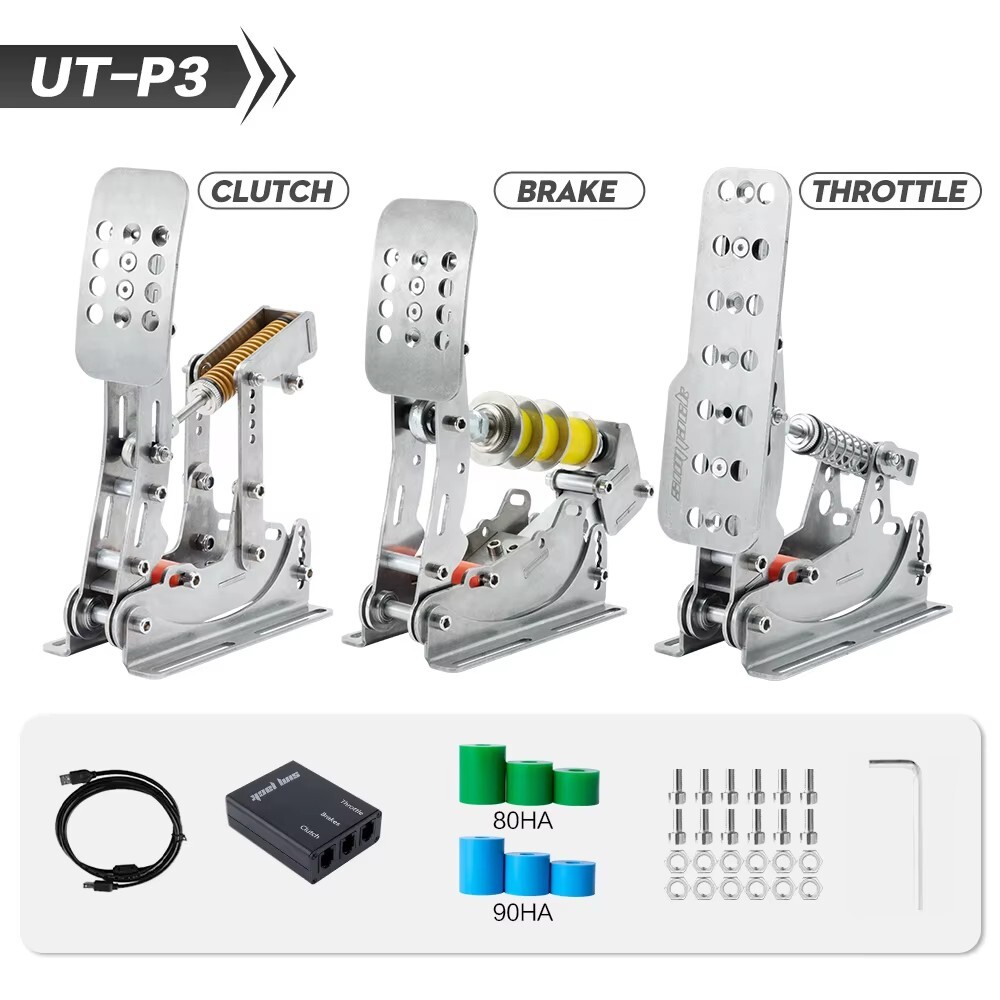 UT Pedals Sim Racing Pedals PC Racing Simulator Pressure Sensor Load Cell HE$239.99Last checked Nov 18, 2026View on eBay
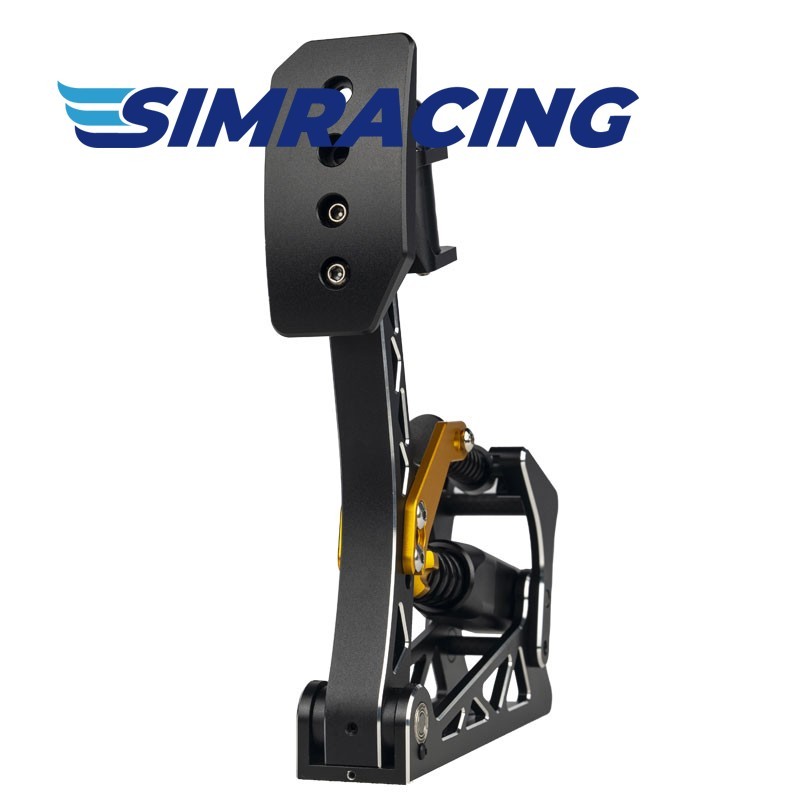 CONSPIT CPP EVO Hydraulic Pedals Sim Pedals Racing Simulator Clutch 20Mpa Sensor$245.39Last checked Nov 18, 2026View on eBay
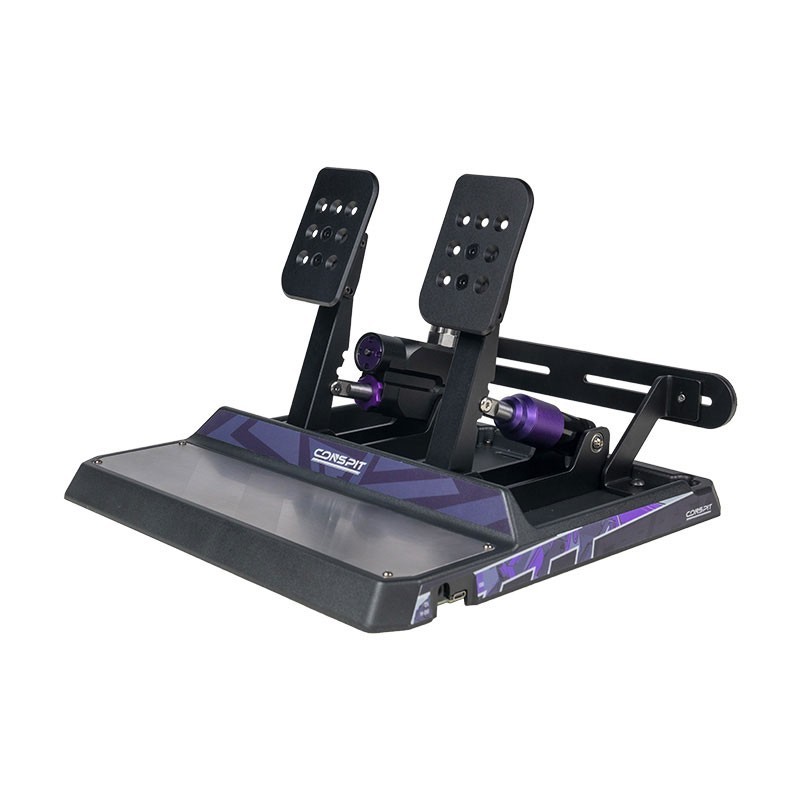 CONSPIT CPP APEX Hydraulic Racing Pedals Sim Racing Simulator (1/2/3 Pedal Set)$481.79Last checked Nov 18, 2026View on eBay
Highlights
- Load-cell pedals measure pedal force (commonly 30–200 kg sensors) and deliver repeatable braking; potentiometer pedals measure travel angle and drift with heat and wear.
- Hydraulic pedals use a master/slave cylinder pair with pressure sensors (often 10–20 MPa range) for a progressive, real-car brake feel that load cells approximate electronically.
- Pedal plates and arms should be steel or thick aluminum (3–5 mm minimum) with ball or needle bearings at the pivot; plastic bushings develop play within months of hard use.
- Two-pedal sets (brake + throttle) suit formula and GT driving; three-pedal sets add a clutch needed for rally, drift, and manual-gearbox sims.
Best use cases
- Best fit: load-cell two-pedal set for GT3/formula sims where consistent trail-braking matters more than clutch realism; skip hydraulic only if budget or maintenance tolerance is tight.
- Best fit: hydraulic three-pedal set with clutch for rally, drift, and H-pattern manual driving; wrong fit for desk-mounted setups because the required pedal force will tip or slide the rig.
- Best fit: pressure-sensor load-cell upgrade kit (brake cylinder, sensor, or pedal plate) for buyers already on a mid-tier set; wrong fit if the base frame is plastic or the pedal arm lacks a mounting boss.
- Best fit: entry load-cell set for first aluminum-profile rig owners moving up from potentiometer pedals; skip ultra-stiff competition hydraulics until the cockpit has zero flex.
Buying tips
- Match brake sensor to driving style: 60–90 kg load cell for general GT use, 100–200 kg for formula cars and high-downforce sims where brake pressure is high and travel short.
- Measure your rig's pedal deck: most hydraulic and load-cell sets need 300–450 mm of width and a rigid 5 mm+ metal plate; flex in the deck wastes force and kills consistency.
- Choose two pedals if you never use clutch; add the third pedal or clutch module later only if the model line supports expansion and shares the same sensor architecture.
- Hydraulic systems need periodic fluid checks and bleeds; load-cell pedals need only occasional calibration. Pick hydraulics for feel fidelity, load cell for low maintenance.
Specs
| Brake Sensing | Load cell vs hydraulic pressure sensor |
|---|---|
| Pedal Count | 2-pedal (brake/throttle) vs 3-pedal |
| Load Cell Range | 30–200 kg force sensor |
| Hydraulic Pressure | 10–20 MPa cylinder rating |
Related searches
What to check before buying
- Pedal deck width and rigidity: confirm at least 300–450 mm of flat, 5 mm+ metal surface and no unsupported overhang under the brake pedal.
- Mounting pattern and hardware: verify bolt-hole spacing matches your rig or included baseplate, and that M6/M8 bolts and T-nuts are supplied.
- USB and power: pedals connect via USB to PC; confirm cable length reaches your hub and that any hydraulic pressure sensor wiring is included.
- Cockpit seat position: brake pedal at full force should not push your seat back — a seat brace or profile rig is required for 60 kg+ load cells.
FAQ
Data sources: eBay / Amazon listings and product attribute feeds. Updated Nov 23, 2026.
Some links on this page are affiliate links. If you buy after clicking one, we may earn a commission at no extra cost to you. This does not change which products appear here or their order. Affiliate disclosure.