
Photos from current listings. Actual item, color, and included accessories may vary.
Atx Power Supply Buying Guide
An ATX power supply is the standardized box that converts AC wall power into stable DC rails for your PC, and the core trade-off is between cheaper group-regulated designs with loose voltage control and modern DC-DC units with tight regulation and transient headroom. The decision rule is simple: buy an 80 Plus Gold (or better) DC-DC unit with the correct ATX 3.x / PCIe 5.0 connector set for your GPU, and skip any non-modular Bronze unit that cannot deliver its rated wattage on the 12V rail.
Median $99.99
Key takeaways
- 80 Plus certification tiers map to efficiency at 20/50/100% load: Bronze ~82-85%, Gold ~87-90%, Platinum ~90-92%; higher tiers also correlate with better capacitors and DC-DC topology.
- Single 12V rail vs multiple 12V rails: most modern units use one high-current 12V rail rated for nearly the full wattage, while older multi-rail designs split OCP limits and can trip on high transient GPUs.
- ATX 3.0/3.1 adds 12VHPWR/12V-2x6 connectors and requires the PSU to survive 200% power excursions for 100µs and 180% for 1ms, which matters for RTX 40/50-series transient spikes.
At a glance
- Category
- PC Power Supplies & Cables
- Last updated
- Nov 27, 2026
Current offers
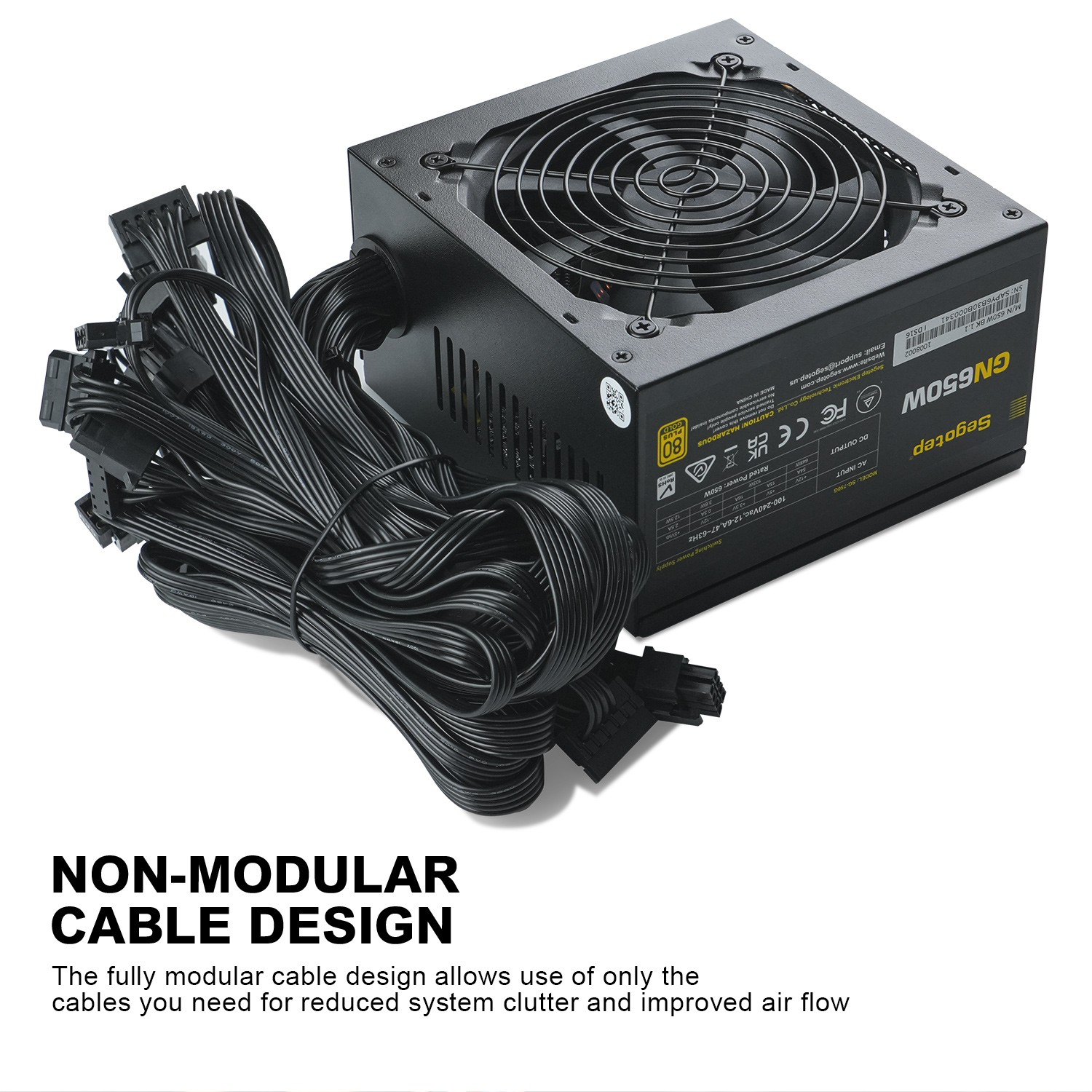 OPEN BOX 650W Power Supply 80 Plus Gold Non-Modular ATX Gaming PC Case PSU$52.99View on eBay
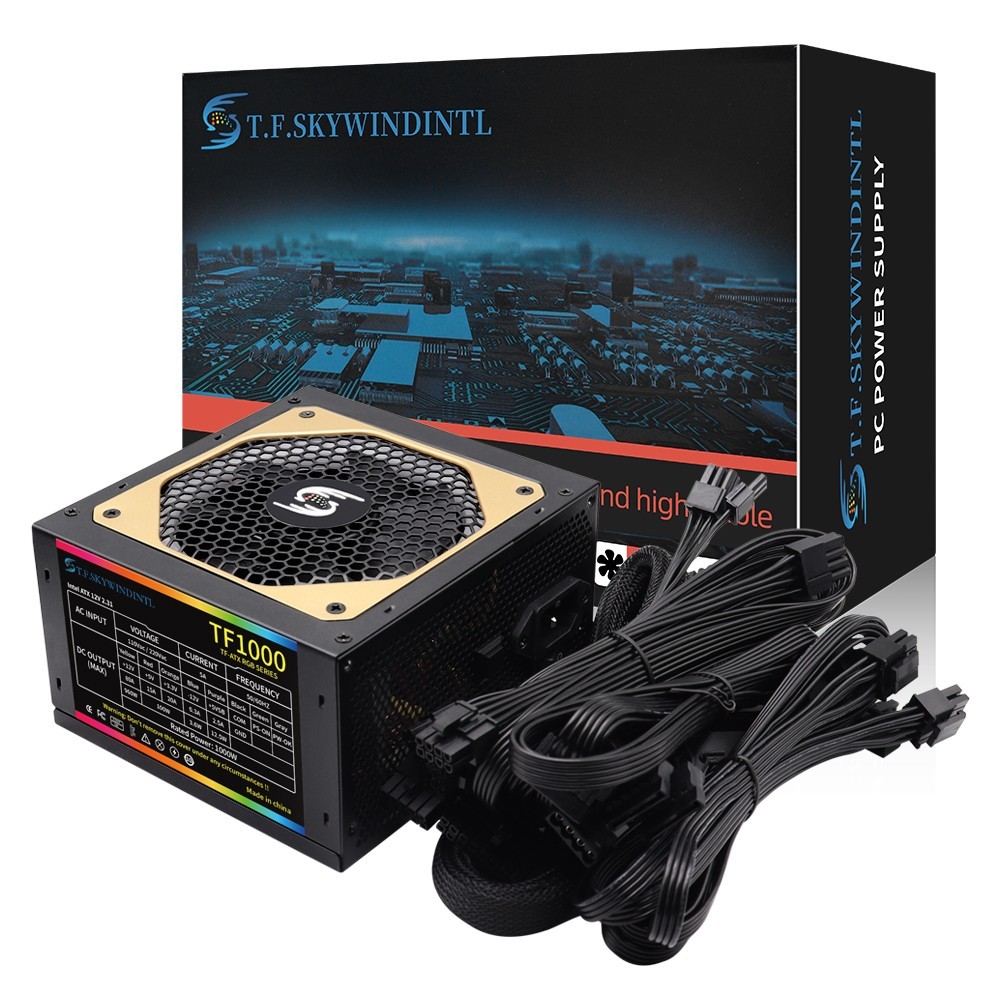 ATX 1000W Full Modular Power Supply, 80+ Bronze Dual CPU PC PUS with ARGB Fan$86.10View on eBay
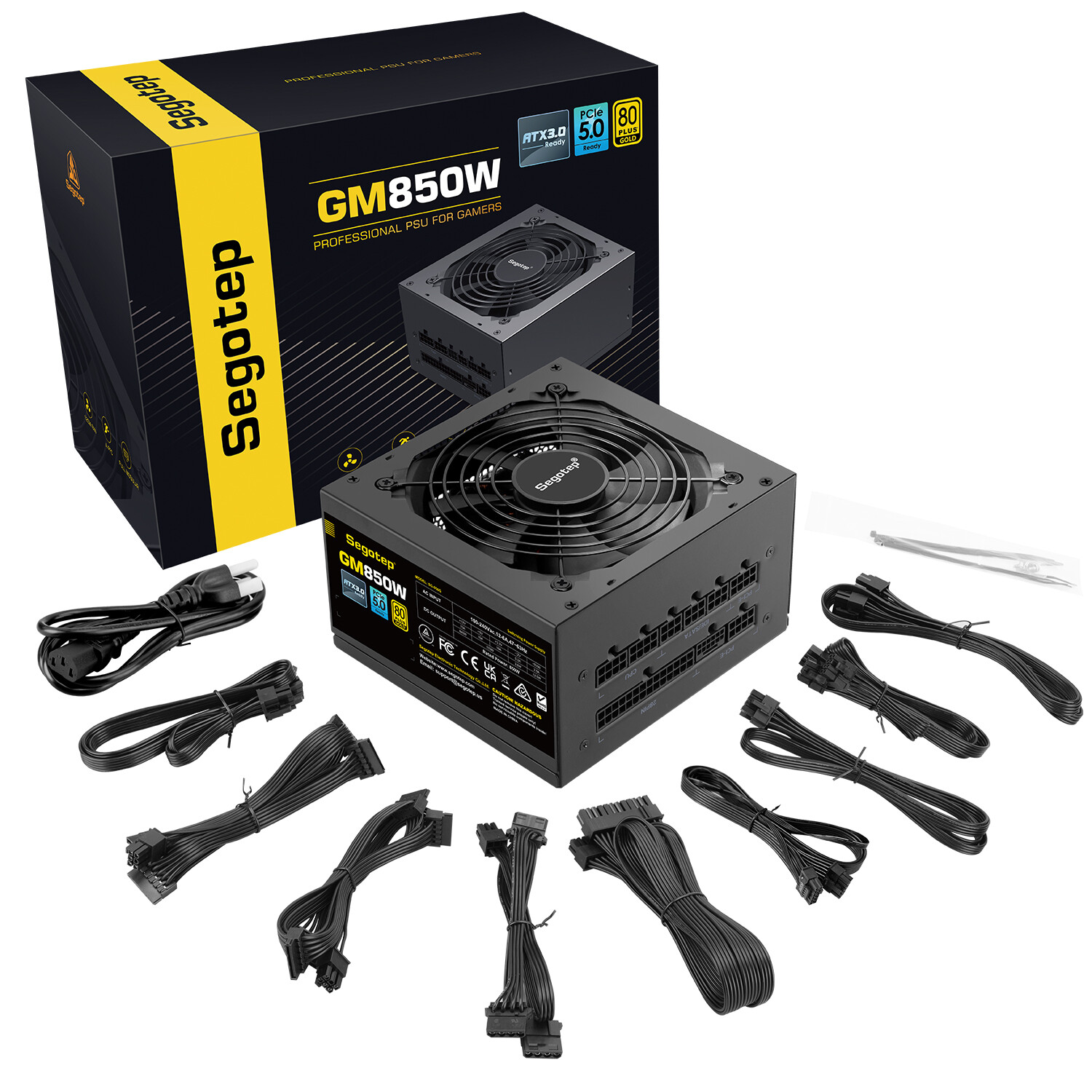 Segotep 850W ATX 3.0 Gaming Power Supply PCIe 5.0 Full Modular 80 Plus Gold PSU$99.99View on eBay
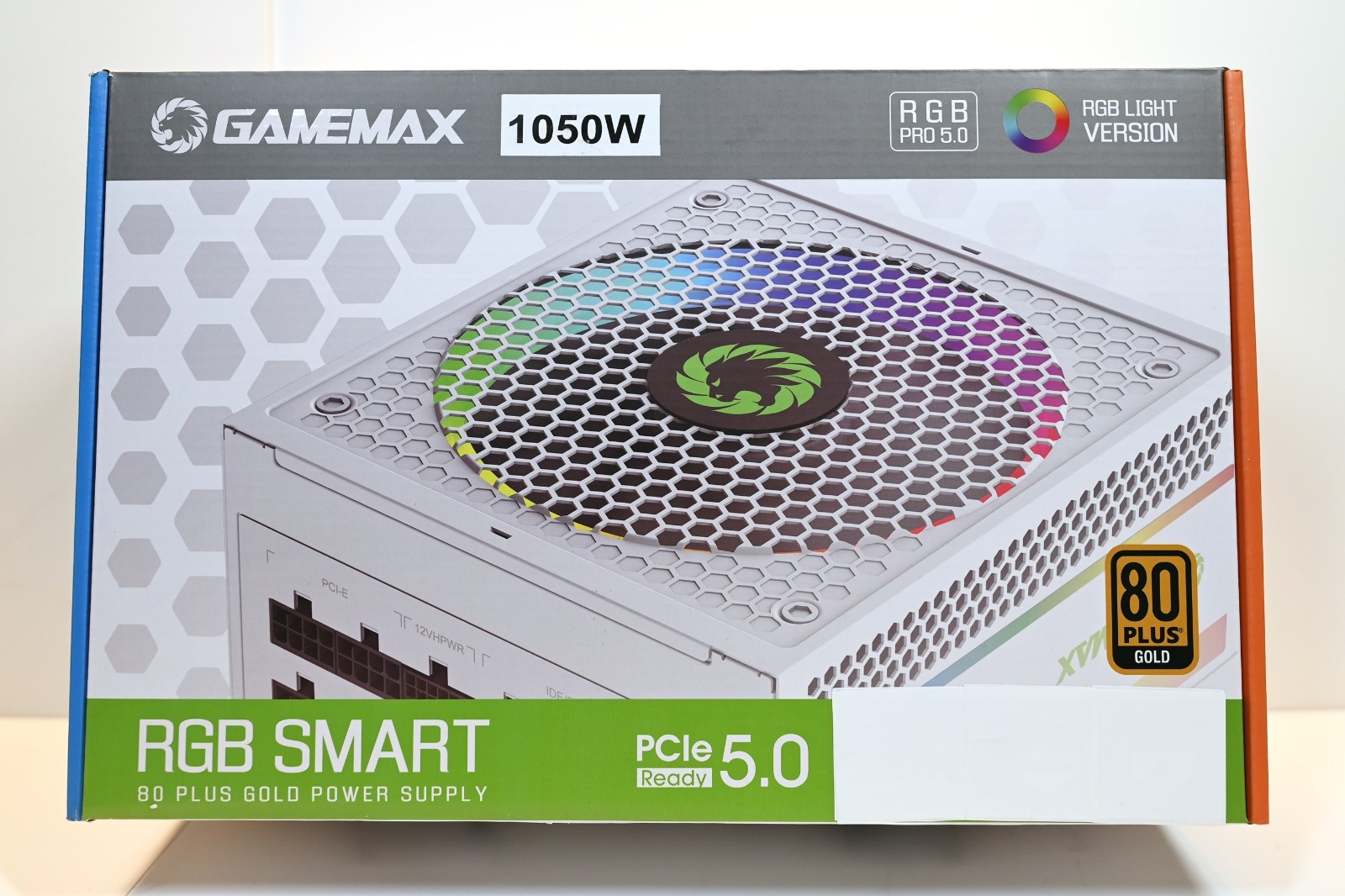 GAMEMAX 1050W ATX 3.0 PCIE 5.0 ARGB Smart 80+ Gold Power Supply UNIT (PSU) WHITE$119.99View on eBay
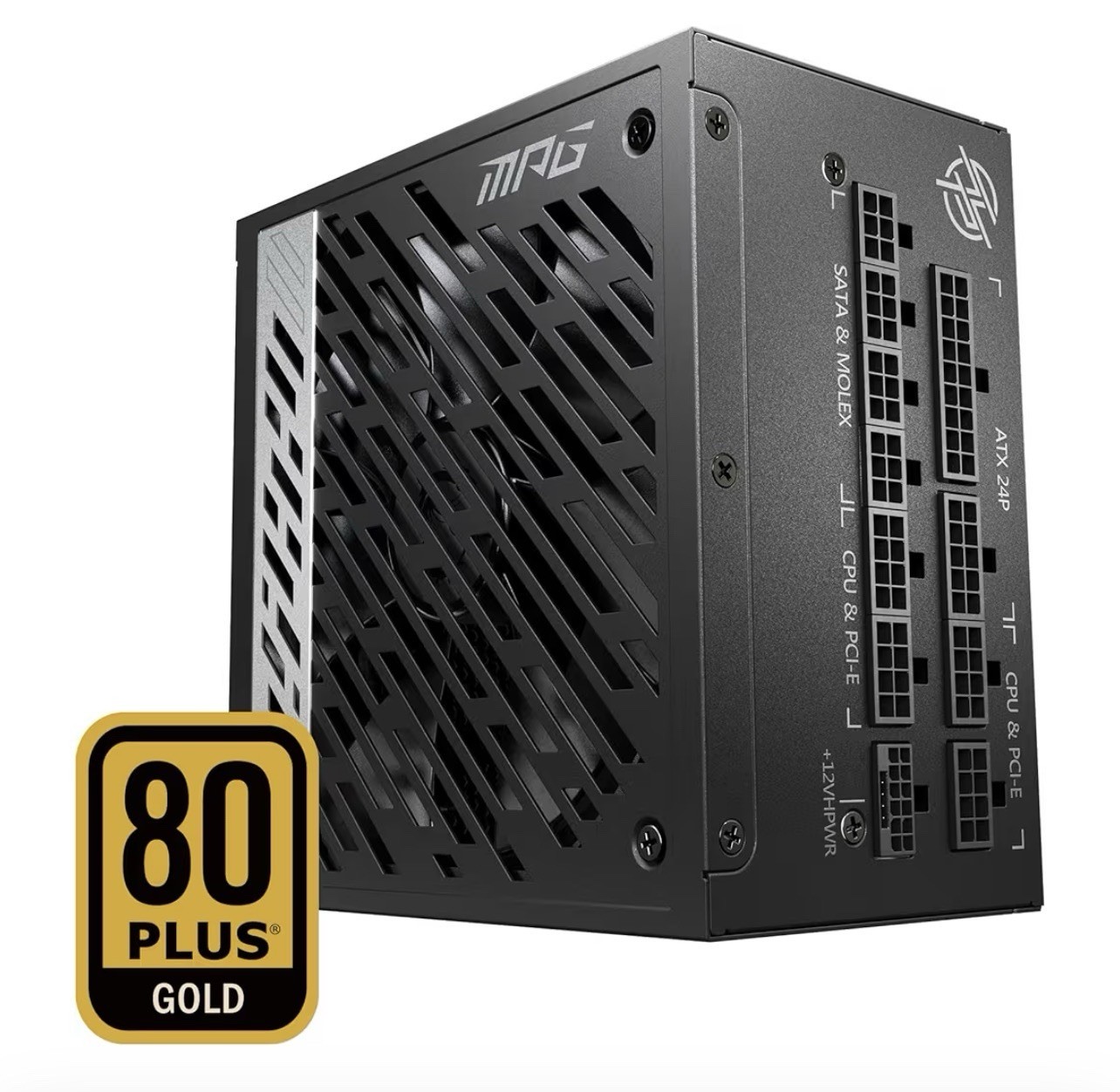 MPG A1000G PCIE 5.0 & ATX 3.0 Gaming Power Supply - Full Modular - 80 Plus Gold$130.00View on eBay
Highlights
- 80 Plus certification tiers map to efficiency at 20/50/100% load: Bronze ~82-85%, Gold ~87-90%, Platinum ~90-92%; higher tiers also correlate with better capacitors and DC-DC topology.
- Single 12V rail vs multiple 12V rails: most modern units use one high-current 12V rail rated for nearly the full wattage, while older multi-rail designs split OCP limits and can trip on high transient GPUs.
- ATX 3.0/3.1 adds 12VHPWR/12V-2x6 connectors and requires the PSU to survive 200% power excursions for 100µs and 180% for 1ms, which matters for RTX 40/50-series transient spikes.
- Modularity (full, semi, non) affects cable clutter and airflow only; it does not change electrical quality, so prioritize Gold/DC-DC internals over modularity if budget is fixed.
Best use cases
- Mid-range gaming build (RTX 4060/4070 or RX 7600/7700): pick a 650-750W 80 Plus Gold DC-DC unit with one 12VHPWR cable; skip 1000W units, which run inefficiently at low load and waste money.
- High-end build (RTX 4080/4090 or RX 7900 XTX): pick 850-1000W ATX 3.0 Gold/Platinum with native 12V-2x6; skip older multi-rail ATX 2.x units whose OCP will trip on 400W+ GPU spikes.
- Office/HTPC/low-power NAS: pick a 400-550W Bronze or Gold unit with a 120mm fan and 5-year warranty; skip ARGB and 1000W+ tiers, which add cost and idle inefficiency with no benefit.
- Compact mATX/ITX-adjacent ATX case: measure depth clearance first and pick a 140-150mm-deep unit; skip 180mm-deep high-wattage units that block cable routing or drive cages.
Buying tips
- Size wattage by GPU TDP plus CPU TDP plus ~100W overhead: RTX 4070 (200W) + 125W CPU = 425W, so a 650W Gold unit gives ~35% headroom for transients and future upgrades.
- Demand DC-DC conversion (indicated by 'DC-DC' or 'LLC + DC-DC' in specs) on any Gold-or-better unit; group-regulated designs let the 5V rail sag when the 12V rail loads up.
- Match connectors to GPU: a native 12VHPWR/12V-2x6 cable rated 600W is required for RTX 4090/5090; adapter dongles from 3-4 PCIe 8-pins work but add resistance and clutter.
- For 24/7 or server-style use, target Japanese 105°C capacitors and a 10-year warranty; 85°C Taiwanese caps and 3-year warranties signal a lower durability tier.
Specs
| 80 Plus Tier | Bronze / Gold / Platinum / Titanium |
|---|---|
| Regulation | DC-DC (modern) vs Group-regulated |
| ATX Standard | ATX 2.x vs ATX 3.0/3.1 |
| Wattage Range | 550W / 750W / 850W / 1000W+ |
Related searches
What to check before buying
- Measure case PSU bay depth and width (standard 150x86mm) and confirm clearance for cables and any bottom fan or drive cage before choosing a 160-180mm-deep unit.
- Confirm wall voltage and plug standard (115V US / 230V EU) and that the unit has active PFC with full-range 100-240V input if you move between regions.
- Count required connectors: 24-pin ATX, 8-pin EPS (or 4+4) for CPU, 2-4 PCIe 8-pin or 12V-2x6 for GPU, plus SATA/Molex for drives and accessories.
- Check case airflow: a 120mm or 135mm fan with a zero-RPM mode is preferable for quiet builds; ensure the intake vent is not blocked by a solid shroud.
FAQ
Data sources: eBay / Amazon listings and product attribute feeds. Updated Nov 27, 2026.
Some links on this page are affiliate links. If you buy after clicking one, we may earn a commission at no extra cost to you. This does not change which products appear here or their order. Affiliate disclosure.