Sennheiser Rs 275 Buying Guide
The Sennheiser RS 275 is a wireless over-ear headphone system built for home TV listening, pairing a dedicated charging transmitter with a self-amplifying headset. The core trade-off is closed-back bass-forward tuning versus the open-back clarity of the RS 175/195 siblings, while battery chemistry and transmitter input options determine long-term convenience. Buy it only if you need untethered, lag-free TV audio with strong low-end; choose an open-back RS model if vocal intelligibility and a lighter clamp matter more.
Key takeaways
- Closed-back acoustic design with bass-boost switch isolates TV audio and emphasizes low frequencies, unlike the open-back RS 175/195 which trade bass for airier mids and less ear pressure.
- Dedicated 2.4 GHz transmitter with optical and analog inputs delivers low-latency wireless and doubles as a charging dock; no Bluetooth pairing or codec negotiation is involved.
- User-replaceable AAA NiMH rechargeable batteries (2x) power the headset, so runtime is restored by swapping cells rather than discarding the unit when capacity fades.
At a glance
- Price range
- Varies by listing
- Category
- Over-Ear Headphones
- Status
- No live listings
- Last updated
- Nov 28, 2026
Current offers
Highlights
- Closed-back acoustic design with bass-boost switch isolates TV audio and emphasizes low frequencies, unlike the open-back RS 175/195 which trade bass for airier mids and less ear pressure.
- Dedicated 2.4 GHz transmitter with optical and analog inputs delivers low-latency wireless and doubles as a charging dock; no Bluetooth pairing or codec negotiation is involved.
- User-replaceable AAA NiMH rechargeable batteries (2x) power the headset, so runtime is restored by swapping cells rather than discarding the unit when capacity fades.
- Self-amplifying headset with analog volume and balance dials works directly from the transmitter's line-level signal, keeping setup independent of the TV's headphone amp quality.
Best use cases
- Best fit: living-room TV listening where dialogue clarity and bass impact matter and the viewer wants to move to the kitchen without dropping audio—use the optical input for a clean digital feed from the TV.
- Wrong fit: critical music monitoring or mixing—closed-back bass emphasis and wireless compression make the RS 275 unsuitable; pick wired open-back studio headphones instead.
- Best fit: multi-viewer households needing one silent listener—the dedicated transmitter isolates the headset from the TV speakers, and AAA NiMH cells allow all-night use with a spare pair.
- Wrong fit: travel or phone use—there is no Bluetooth and the transmitter requires mains power, so a Bluetooth ANC headphone is the correct choice for commuting.
Buying tips
- Confirm the TV or set-top box has an optical (TOSLINK) or analog RCA/3.5 mm output; the RS 275 transmitter accepts these and does not take HDMI directly, so an HDMI extractor is required for HDMI-only sources.
- Buy two sets of AAA NiMH rechargeable cells (1.2 V, 800–1000 mAh) so one pair charges in the dock while the other powers the headset—alkaline AAAs are not rechargeable in the dock.
- Compare against the RS 175/195 if bass is not a priority: the open-back models reduce ear heat and pressure but leak sound, so closed-back RS 275 is the right pick for shared rooms.
- Check replacement ear-pad availability for the specific RS 275 chassis before buying—pad wear is the most common consumable failure, and pads are not interchangeable with every RS generation.
Specs
| Acoustic Design | Closed-back, bass-boost switch |
|---|---|
| Wireless Link | 2.4 GHz dedicated transmitter |
| Transmitter Inputs | Optical TOSLINK + analog RCA/3.5mm |
| Power / Battery | 2x AAA NiMH, dock-recharged |
Alternatives to compare
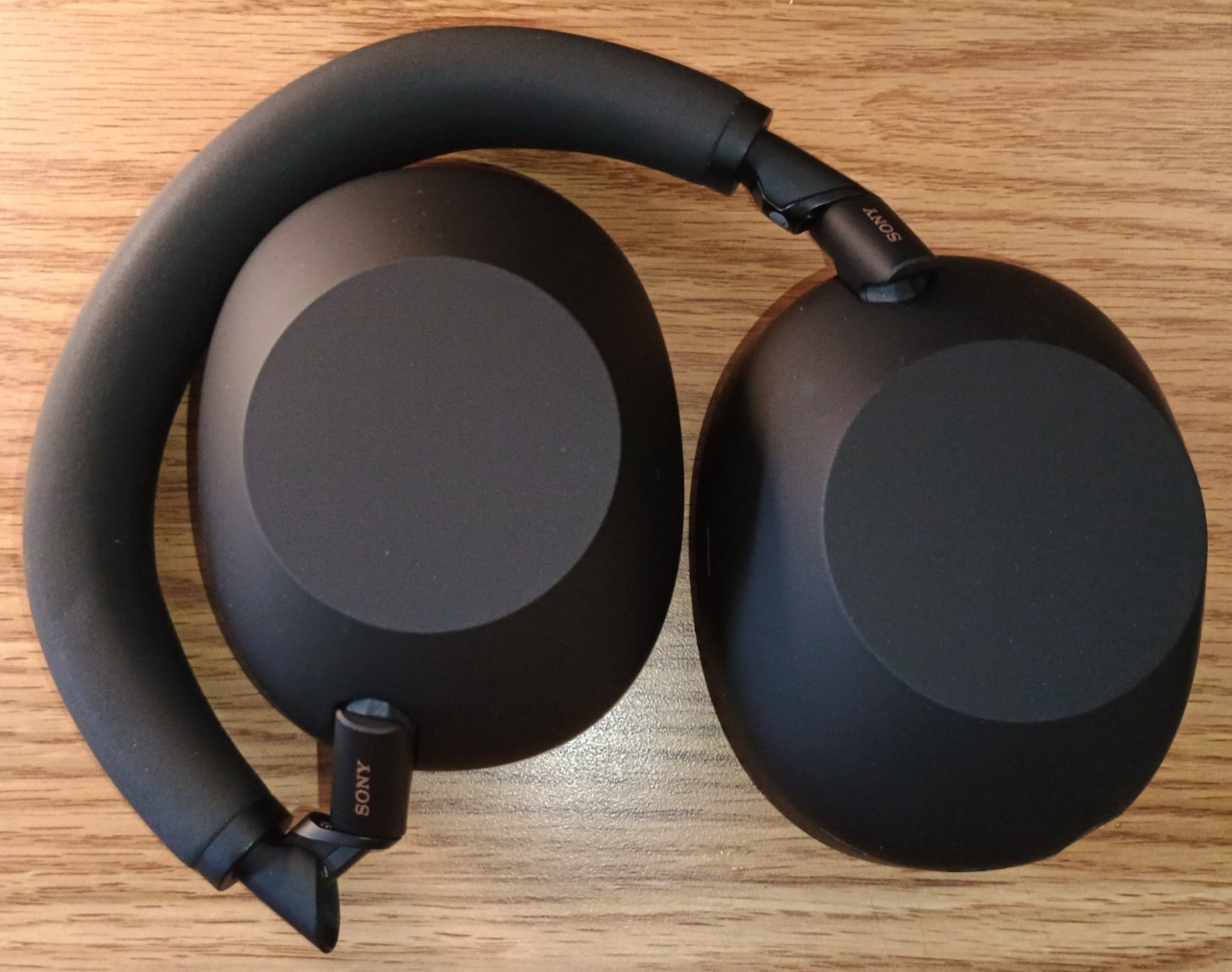
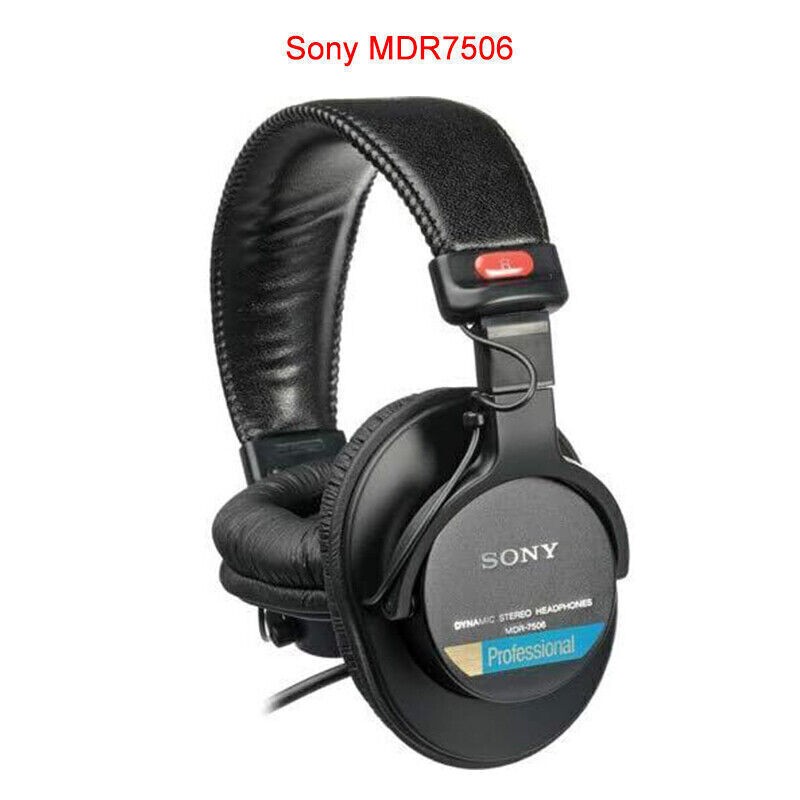
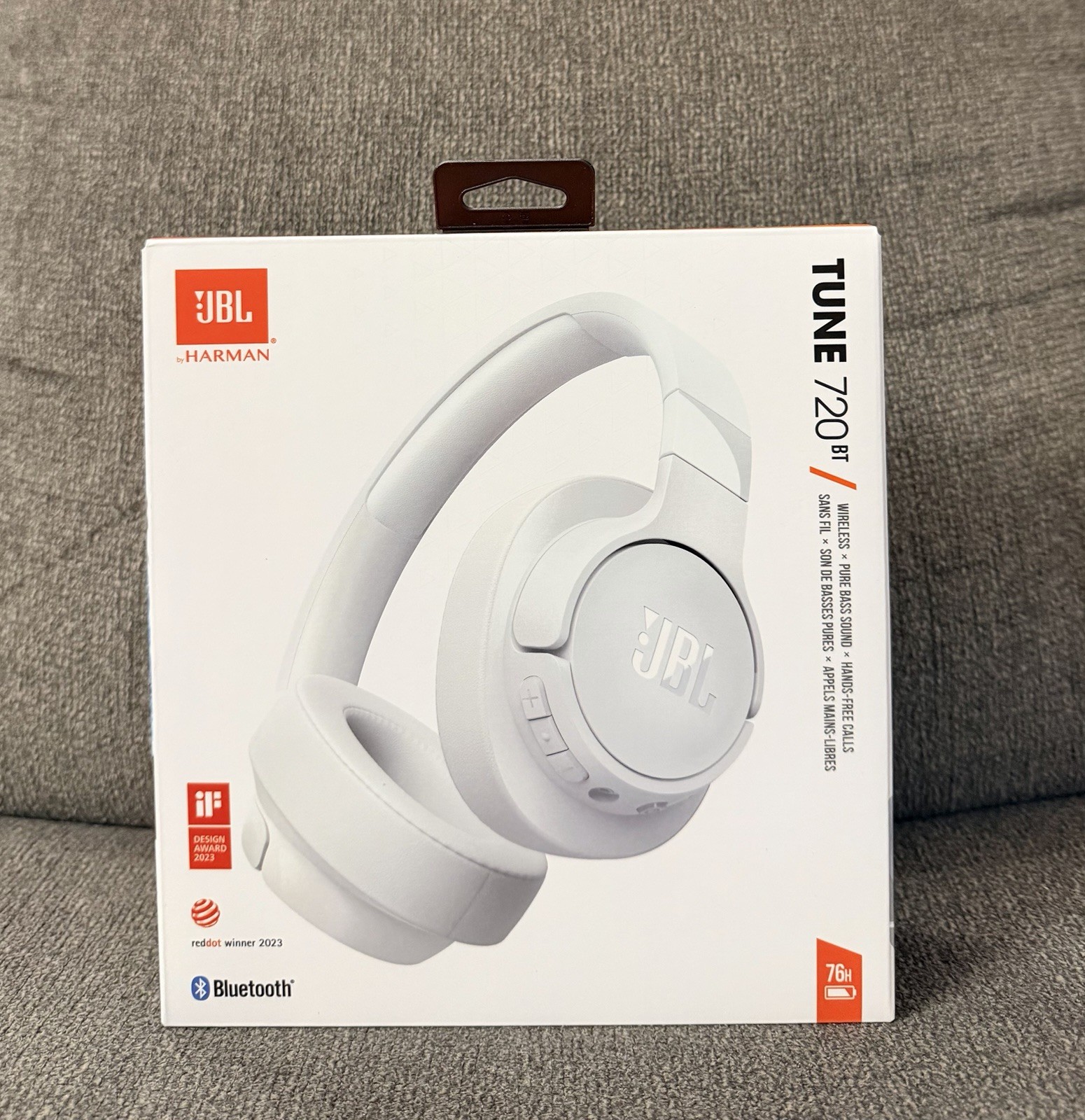
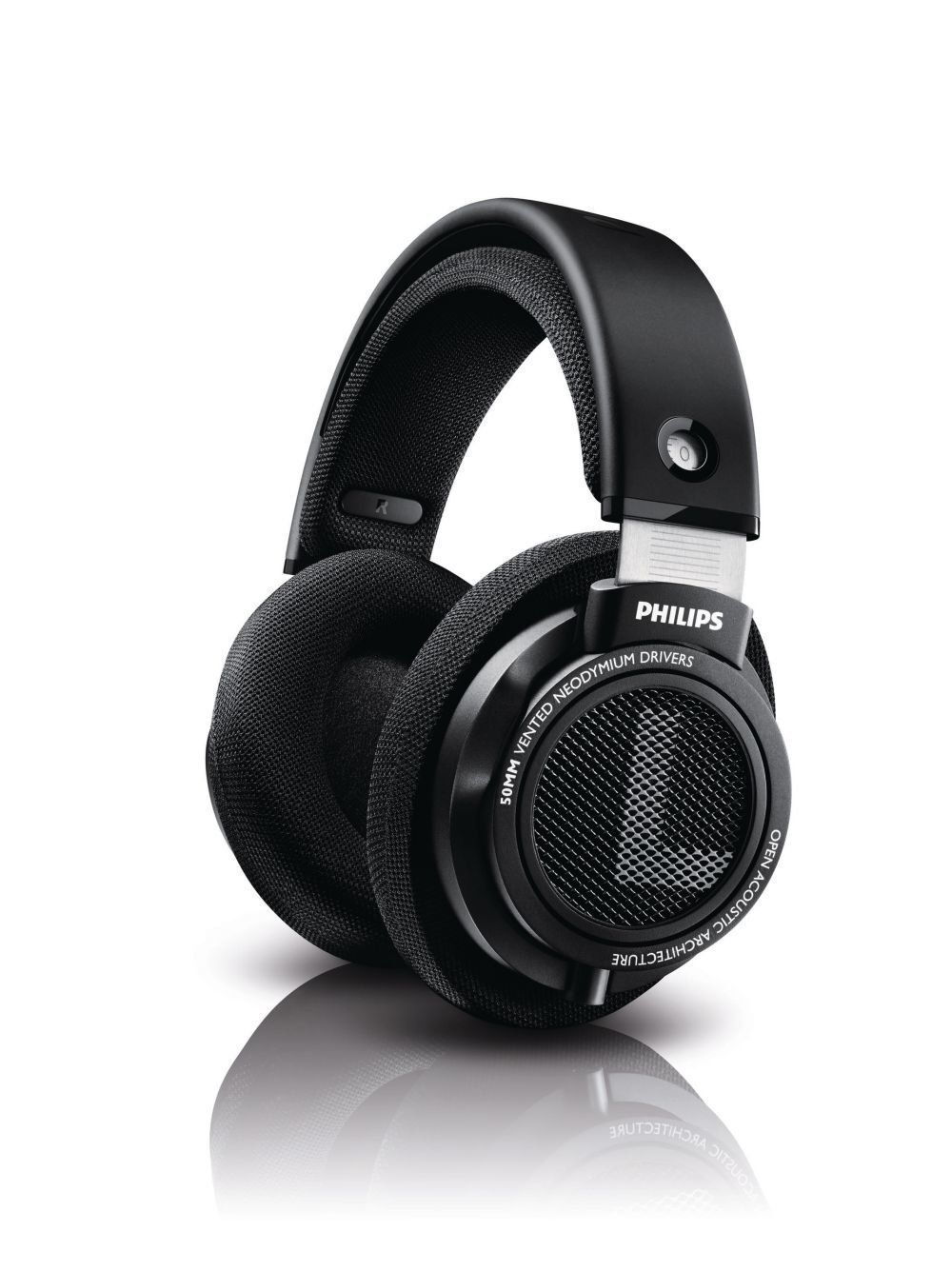
Related searches
What to check before buying
- Measure the TV stand or shelf for the transmitter footprint and confirm a nearby mains outlet, since the dock charges the headset and must stay powered.
- Verify the TV's audio output menu can be set to PCM stereo over optical—Dolby/DTS bitstream will produce silence or noise on the analog-only headset path.
- Check the listening seat distance; 2.4 GHz home systems typically hold a reliable link across a normal room but lose range through multiple walls compared with RF UHF systems.
- Confirm head size and clamp comfort for closed-back fit, and note that the headset's on-board volume and balance dials require occasional AAA cell changes even when docked if cells degrade.
FAQ
Data sources: eBay / Amazon listings and product attribute feeds. Updated Nov 28, 2026.
Some links on this page are affiliate links. If you buy after clicking one, we may earn a commission at no extra cost to you. This does not change which products appear here or their order. Affiliate disclosure.