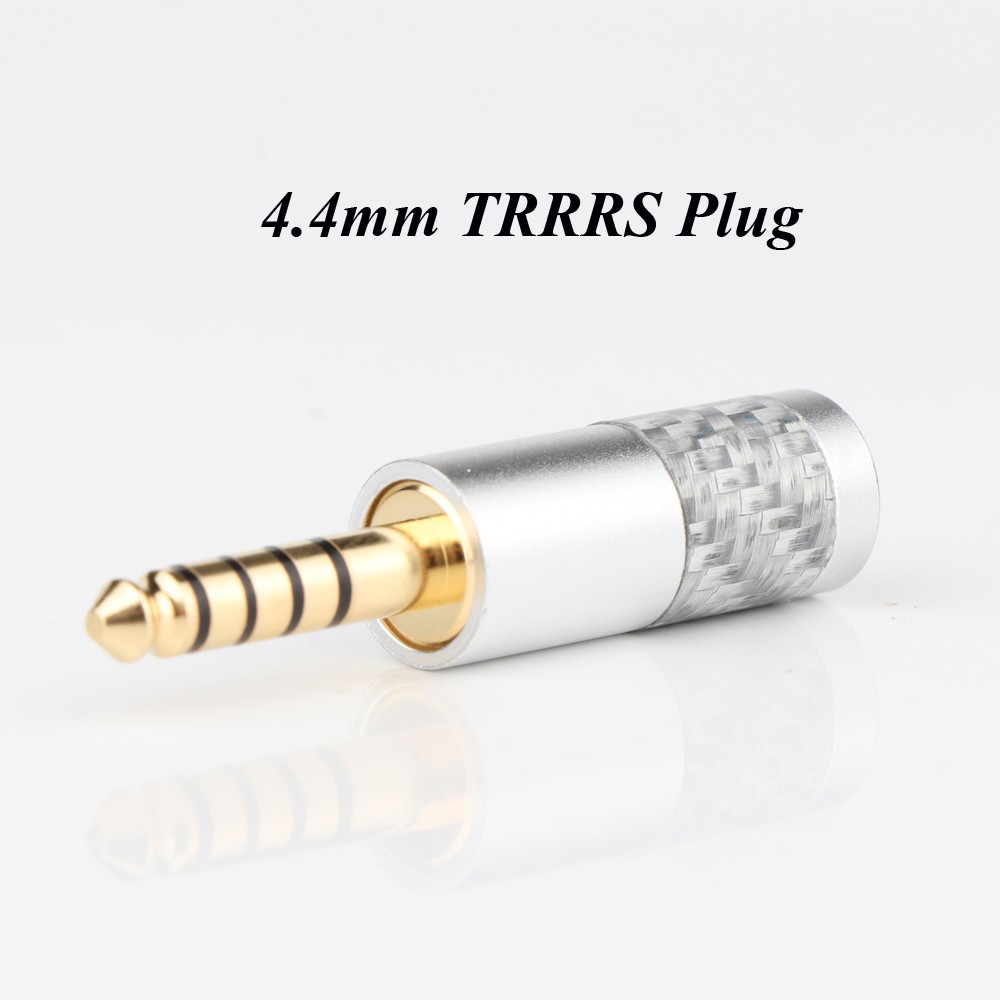

Photos from current listings. Actual item, color, and included accessories may vary.
Earphone Cable Buying Guide
Earphone cables are the conductive link between your IEM or headphone and source, defined by conductor material, core count, and connector standard. The primary trade-off is ergonomic suppleness versus electrical robustness: high core counts and silver-plated or OCC copper improve conductance and longevity, while thin stock cables prioritize lightness at the cost of microphonics and strain relief. The decision rule is simple: match connector type and termination to your exact gear first, then choose conductor grade and core count for durability and handling—never buy a cable whose plug or pin standard does not physically lock into your device.
Key takeaways
- Conductor grade determines signal integrity: 7N OCC (99.99999% oxygen-free copper) offers lower resistance and slower oxidation than standard OFC, while silver-plated copper adds high-frequency conductance at the cost of stiffer feel.
- Core count drives durability and flexibility: 16-core braided designs distribute stress across more strands for better strain relief and lower microphonics than 4- or 8-core stock cables.
- Connector standards are non-negotiable: 2-pin 0.78mm, MMCX, and recessed 2-pin variants are physically incompatible, and 3.5mm single-ended versus 4.4mm balanced termination must match your source output.
At a glance
- Category
- IEM Cables & Ear Tips
- Last updated
- Nov 23, 2026
Current offers
Highlights
- Conductor grade determines signal integrity: 7N OCC (99.99999% oxygen-free copper) offers lower resistance and slower oxidation than standard OFC, while silver-plated copper adds high-frequency conductance at the cost of stiffer feel.
- Core count drives durability and flexibility: 16-core braided designs distribute stress across more strands for better strain relief and lower microphonics than 4- or 8-core stock cables.
- Connector standards are non-negotiable: 2-pin 0.78mm, MMCX, and recessed 2-pin variants are physically incompatible, and 3.5mm single-ended versus 4.4mm balanced termination must match your source output.
- Replaceable-plug systems (e.g., 3.5mm/2.5mm/4.4mm swappable tips) extend cable life across sources, while fixed plugs simplify construction but limit device compatibility.
Best use cases
- Pick 2-pin 0.78mm 16-core OCC if you own modern IEMs with flush 2-pin sockets and want maximum strain relief and oxidation resistance for daily carry.
- Choose MMCX silver-plated cable only if your IEM uses MMCX connectors and you prioritize treble clarity; skip it for 2-pin gear where the connector will not seat.
- Select a swappable-plug cable if you alternate between 3.5mm phone output and 4.4mm balanced DAC/amp; skip fixed 3.5mm cables if you plan to add a balanced source.
- For Sennheiser HD580/HD600/HD650/HD660S owners, use the dedicated 2-pin HD6xx-series connector—standard IEM 2-pin 0.78mm will not fit the recessed HD6xx socket.
Buying tips
- Match connector type before anything else: 2-pin 0.78mm for most Chi-Fi IEMs, MMCX for Shure/Westone-style shells, and HD6xx-specific 2-pin for Sennheiser HD600-family headphones—none are interchangeable.
- Choose 16-core braided cable for IEMs used on the move; the higher strand count improves flexibility and reduces cable noise versus 4-core stock cords.
- Verify termination impedance and plug type: 3.5mm single-ended works with phones and laptops, while 4.4mm or 2.5mm balanced requires a compatible balanced output to avoid damage.
- Prefer 7N OCC or silver-plated copper over generic OFC if you want slower oxidation and consistent conductance over years of use; conductor grade matters more than cosmetic color.
Specs
| Connector Type | 2-pin 0.78mm / MMCX / HD6xx 2-pin |
|---|---|
| Conductor Material | 7N OCC / Silver-plated copper / OFC |
| Core Count | 4-core to 16-core braided |
| Termination | 3.5mm SE / 4.4mm bal / swappable |
Related searches
What to check before buying
- Confirm your IEM or headphone connector: 2-pin 0.78mm, MMCX, recessed 2-pin, or HD6xx-specific—measure the socket depth if unsure.
- Check your source output: 3.5mm single-ended, 4.4mm balanced, or 2.5mm balanced—buy a cable or swappable plug that matches without adapters.
- Measure cable length needs: 1.2–1.25m suits pocket or phone use, while 1.5m+ suits desktop DAC/amp setups.
- Inspect strain relief and plug housing: metal housings and reinforced Y-splits outlast molded plastic on daily-worn cables.
FAQ
Data sources: eBay / Amazon listings and product attribute feeds. Updated Nov 23, 2026.
Some links on this page are affiliate links. If you buy after clicking one, we may earn a commission at no extra cost to you. This does not change which products appear here or their order. Affiliate disclosure.