
Photos from current listings. Actual item, color, and included accessories may vary.
DJI Mini 4 Buying Guide
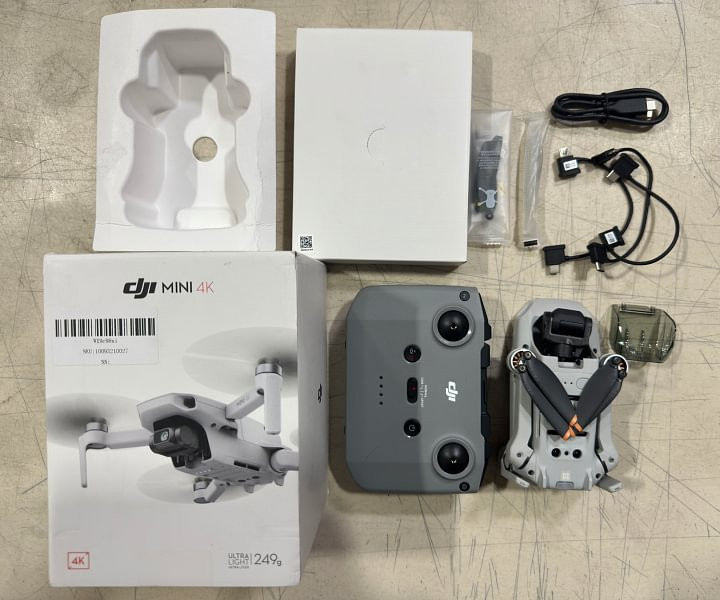
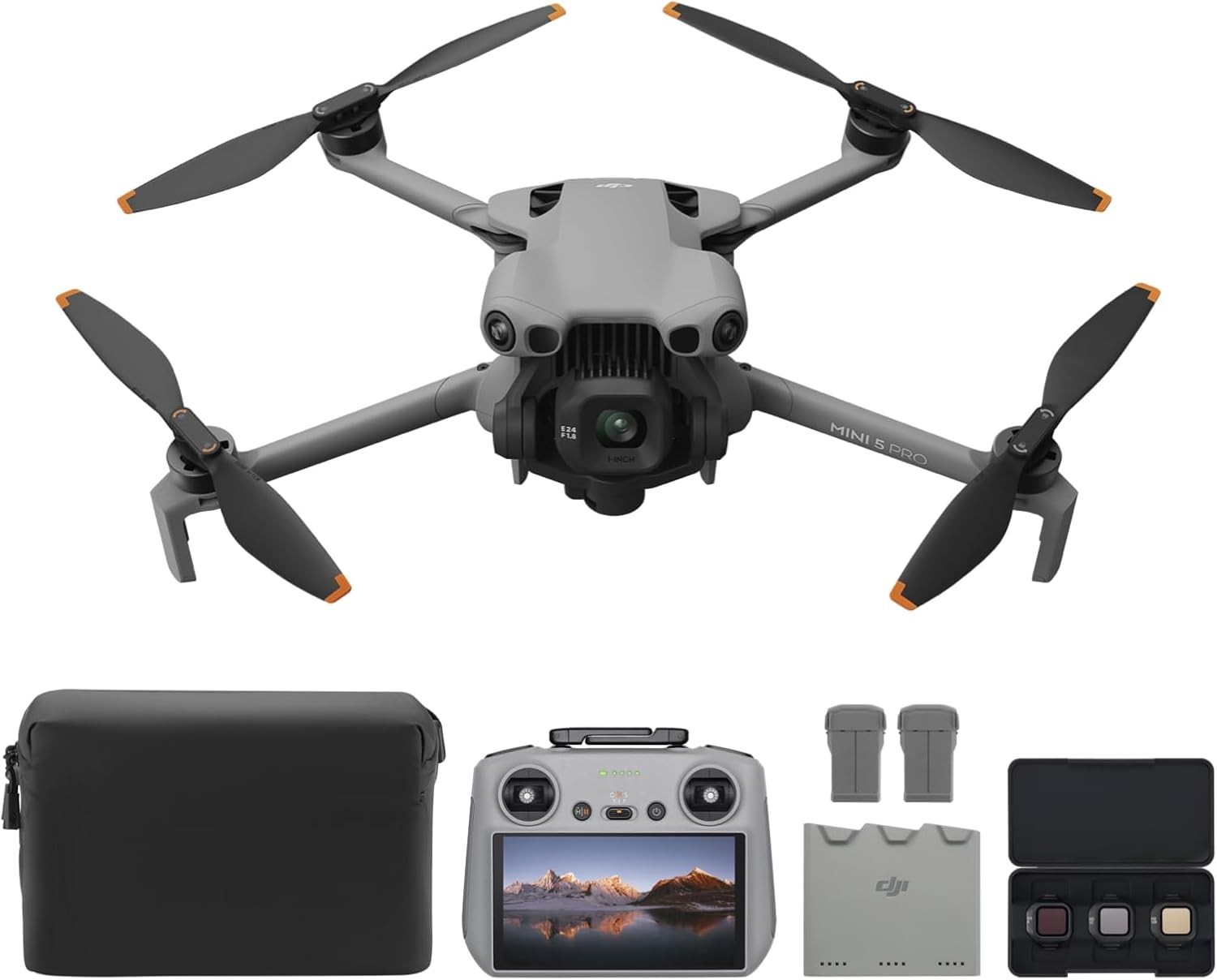
The DJI Mini 4 family is a sub-250g folding camera drone line split into two distinct tiers: the Mini 4K (a rebadged Mini 2 with 4K/30fps and no obstacle avoidance) and the Mini 4 Pro (omnidirectional sensing, O4 20km transmission, ActiveTrack 360, 4K/100fps HDR). The core trade-off is price vs. autonomy: the Mini 4K prioritizes weight and simplicity, while the Mini 4 Pro adds 360° obstacle avoidance, vertical shooting, and a larger battery for longer flights. The decision rule is clear—buy the Mini 4 Pro if you need automated tracking and collision avoidance; choose the Mini 4K only if you fly manually in open areas and want the lightest possible 4K drone.
Median $463.50 · New & pre-owned listings
Key takeaways
- Weight class: Both models stay under 249g, avoiding registration in most regions, but the Mini 4 Pro adds omnidirectional vision sensors and a larger 2590mAh battery.
- Camera system: Mini 4K uses a 1/2.3-inch sensor with 4K/30fps and 3-axis gimbal; Mini 4 Pro upgrades to a 1/1.3-inch sensor, 4K/60fps HDR, 4K/100fps slow-mo, and dual native ISO.
- Transmission: Mini 4K uses O2 (10km FCC) while Mini 4 Pro uses O4 (20km FCC) with 1080p/60fps live feed and four-antenna diversity for urban robustness.
At a glance
- Category
- Drones & Consumer Robotics
- Status
- Listings available
- Last updated
- Nov 28, 2026
Current offers
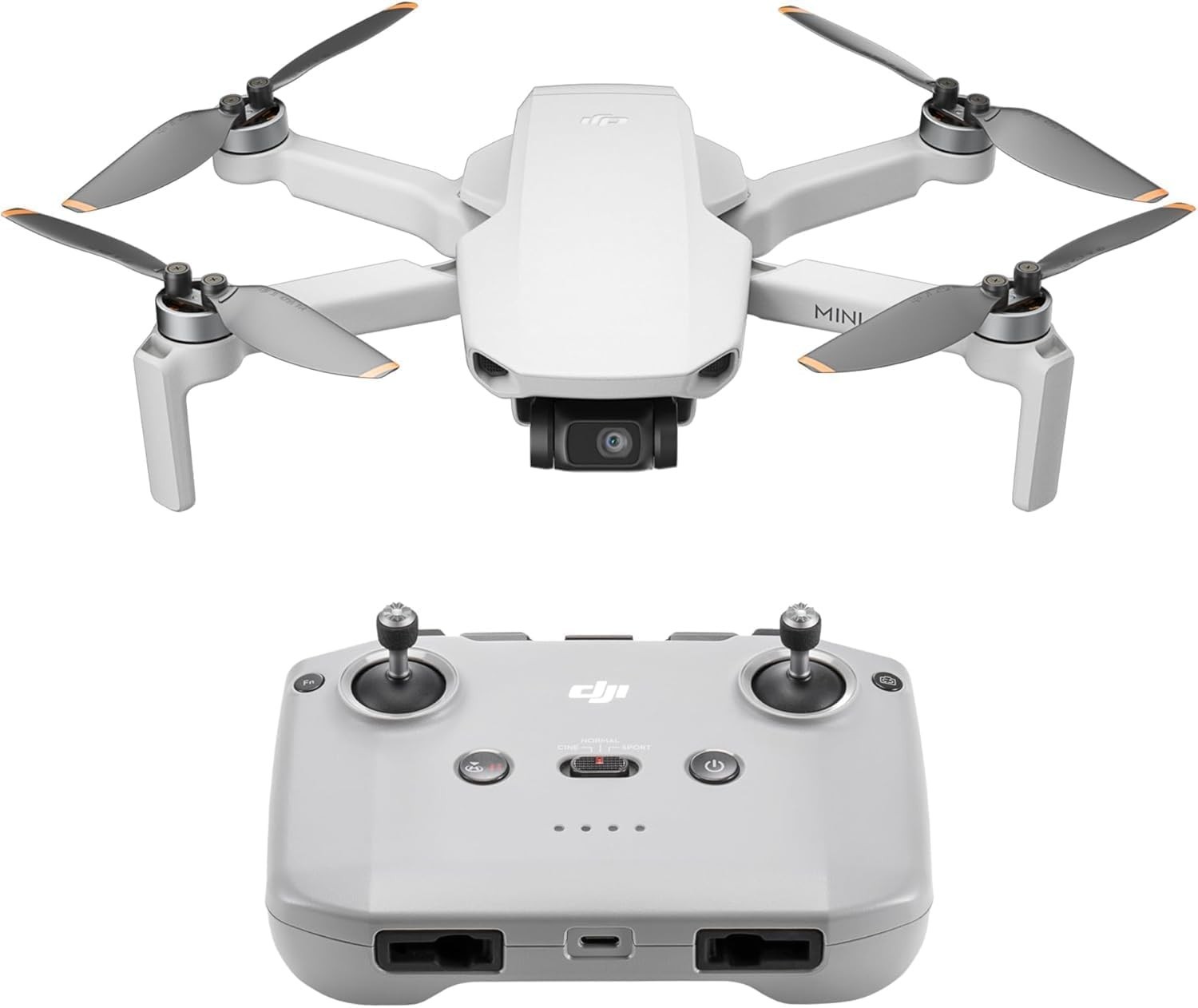 DJI Mini 4K Lightweight&foldable mini camera drone with 4K HDR video(95% new)$205.00Used · Last checked Nov 15, 2026View on eBay
- DJI Mini 4K Lightweight&foldable mini camera drone with 4K HDR video,Under 249g$205.00Used · Last checked Nov 15, 2026View on eBay
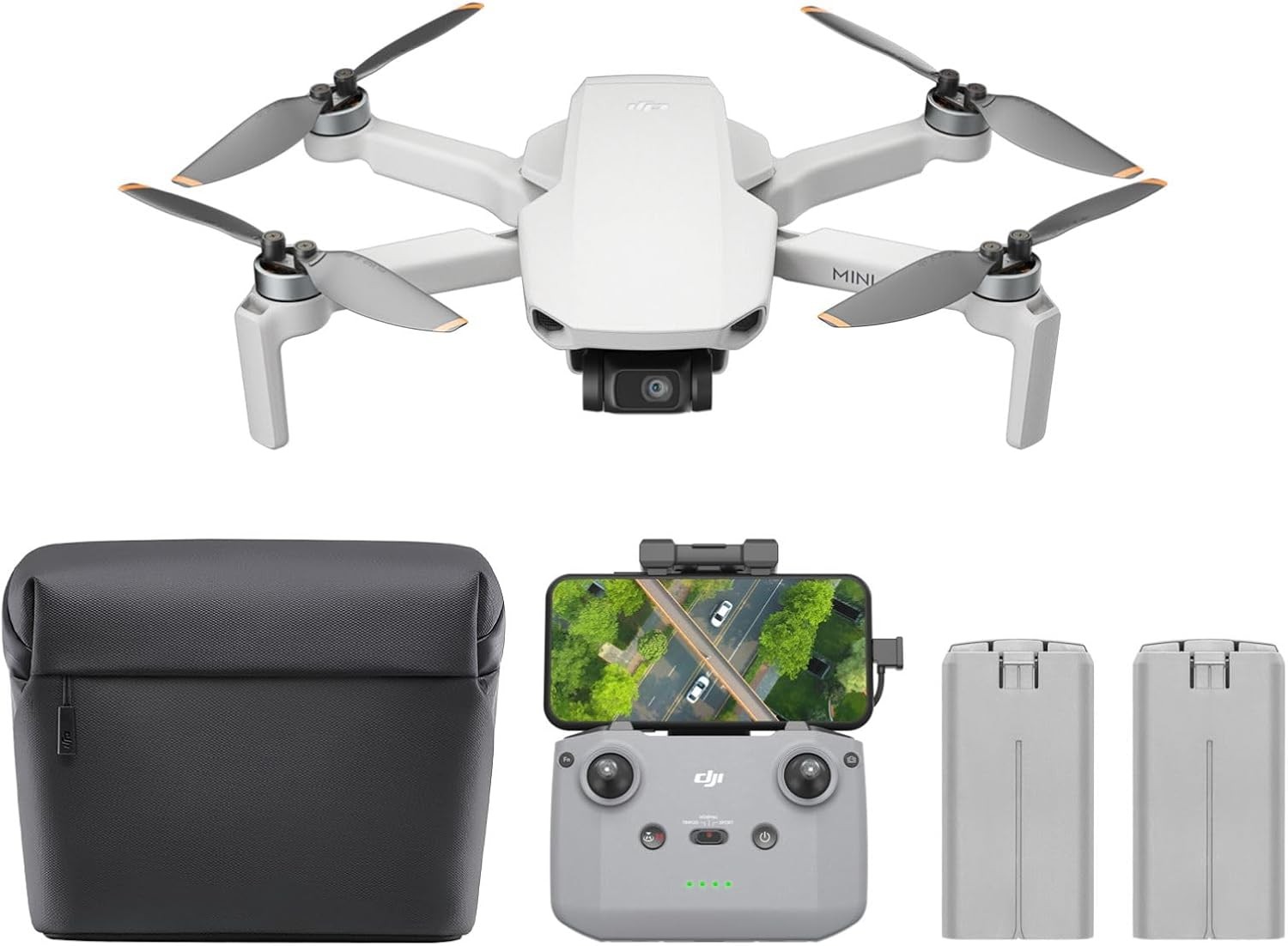 DJI Mini 4K Camera Drone Combo, Drone with 4K UHD Camera for Adults, Under 249 g$249.99UsedView on eBay
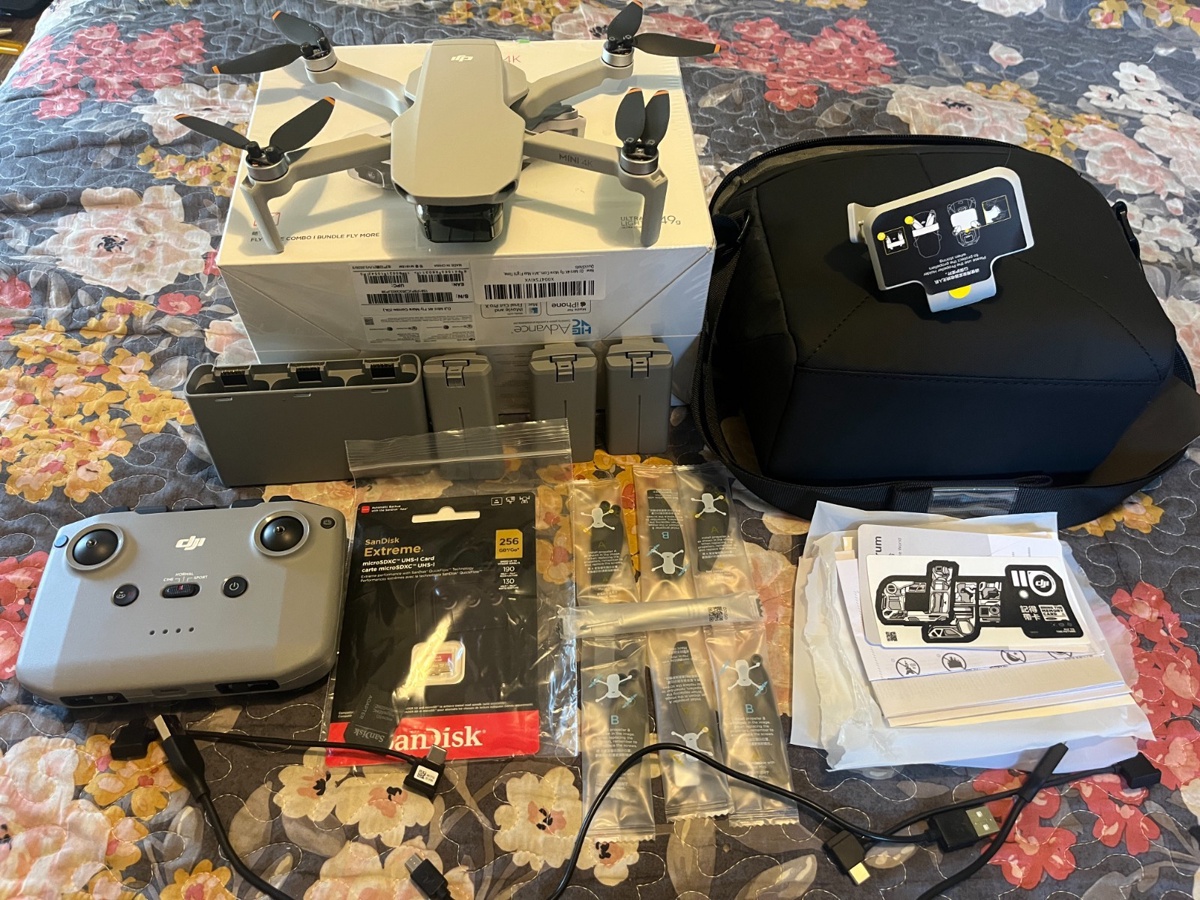 DJI MINI 4K FLY MORE COMBO DRONE WITH 256 GB EXTREME MICRO CARD WITH ADAPTER$299.00Open boxView on eBay
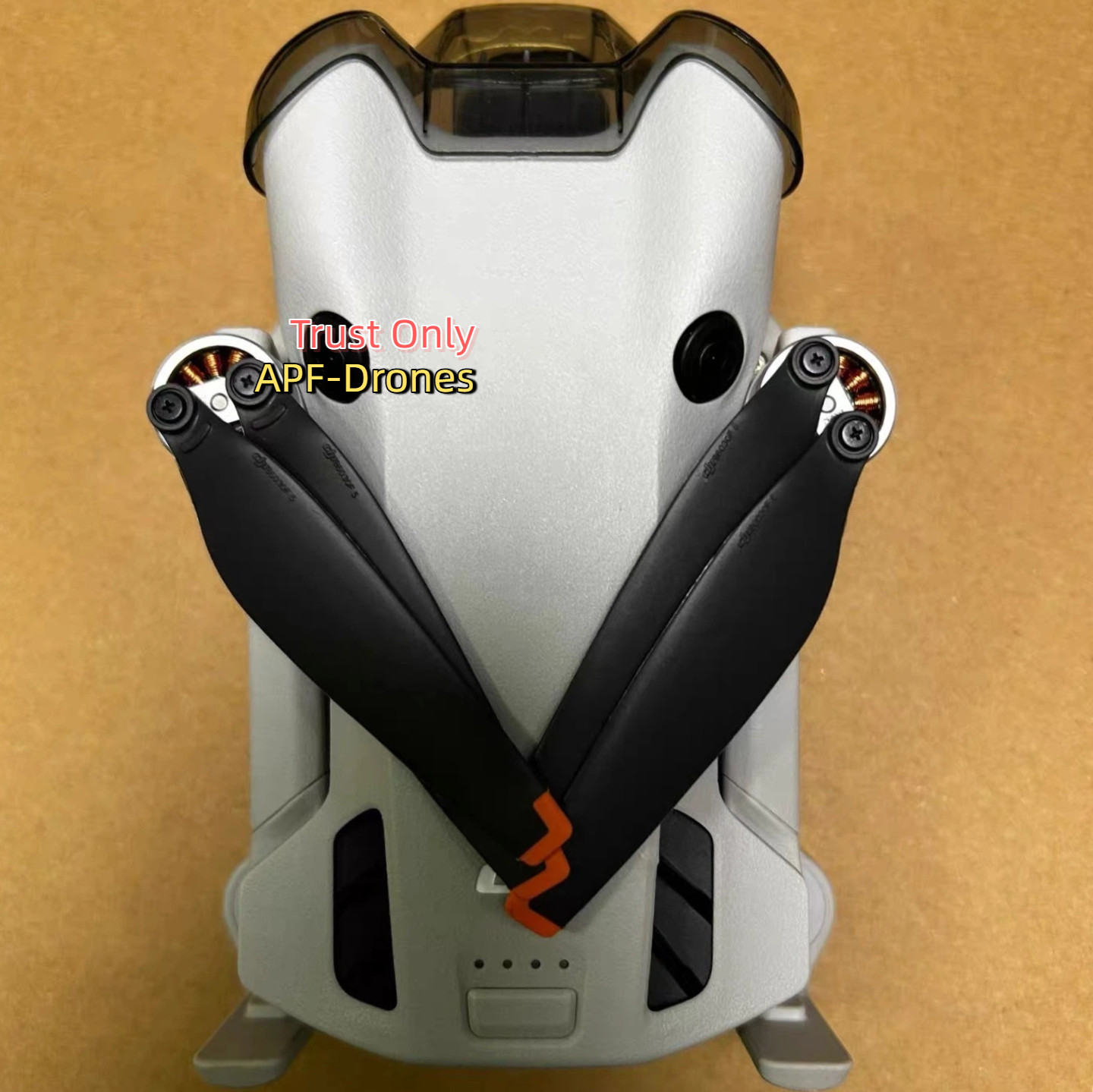 Genuine DJI Mini 4 Pro Drone ONLY - No Battery/No Controller - Fully Tested$418.82UsedView on eBay
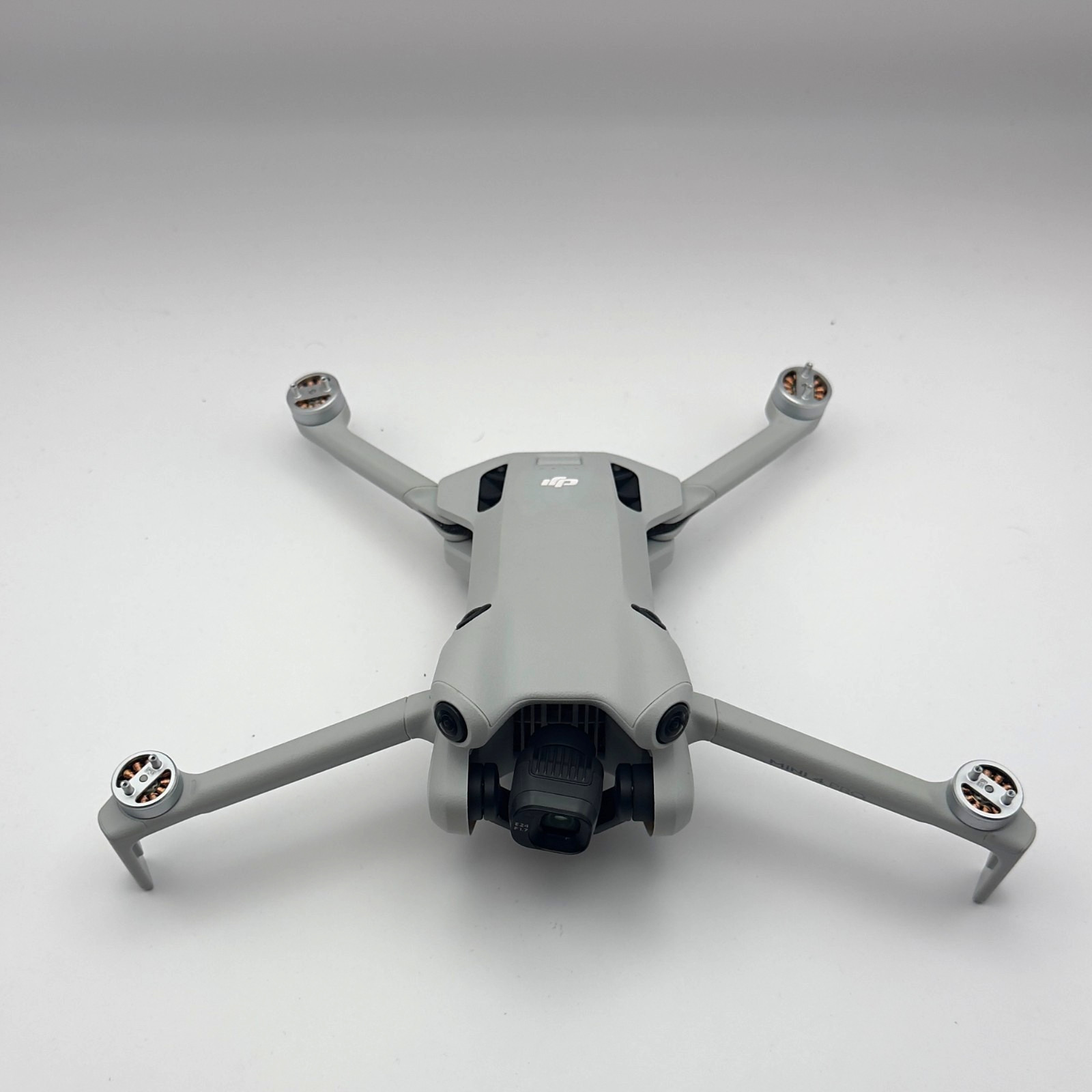 DJI - Mini 4 Pro Drone Body Only (Without Battery / Remote)$428.00UsedView on eBay
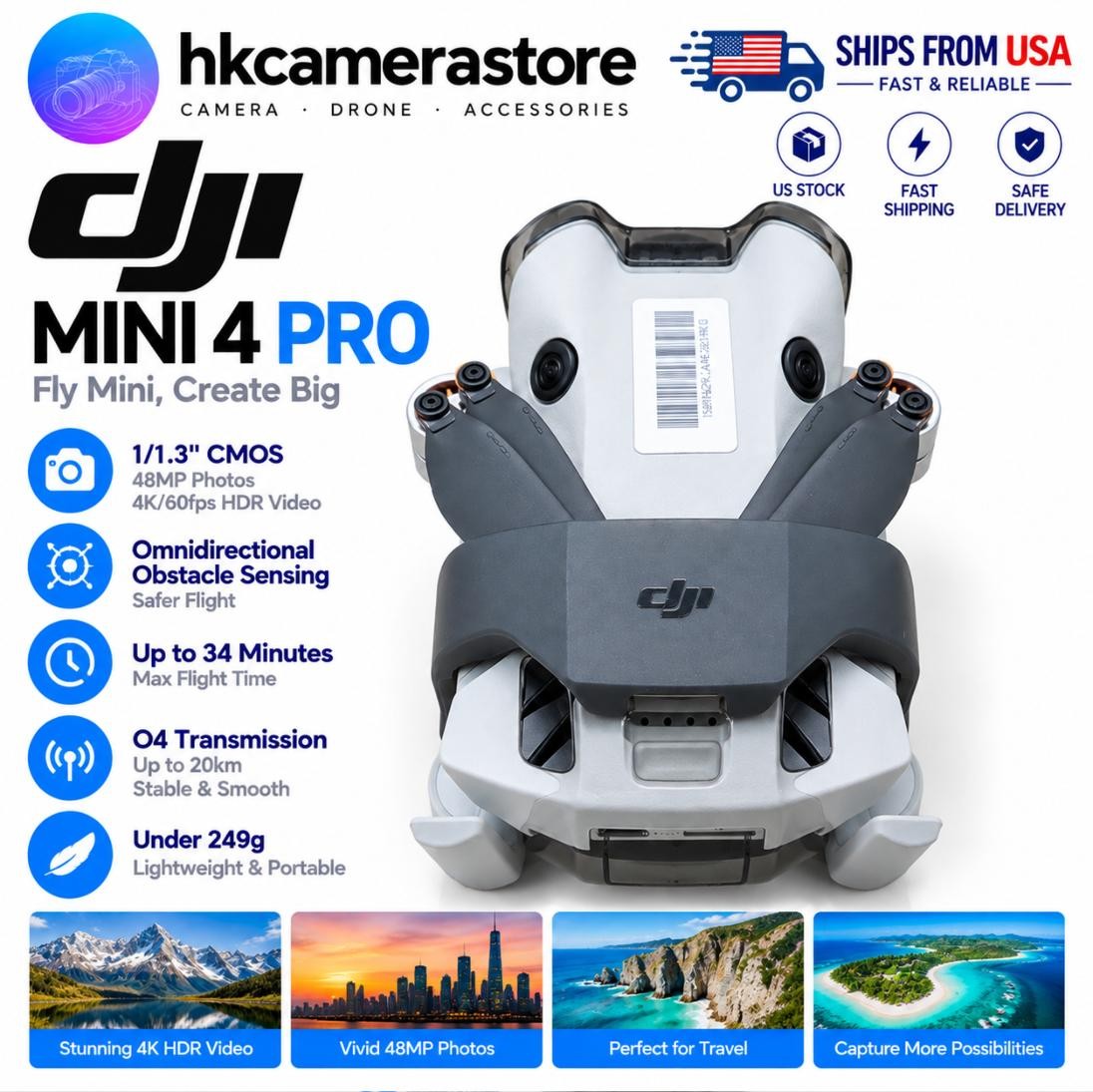 DJI Mini 4 Pro Drone Only O4 20km ActiveTrack 360° 5-Level Wind 249g$499.00New · Last checked Nov 14, 2026View on eBay
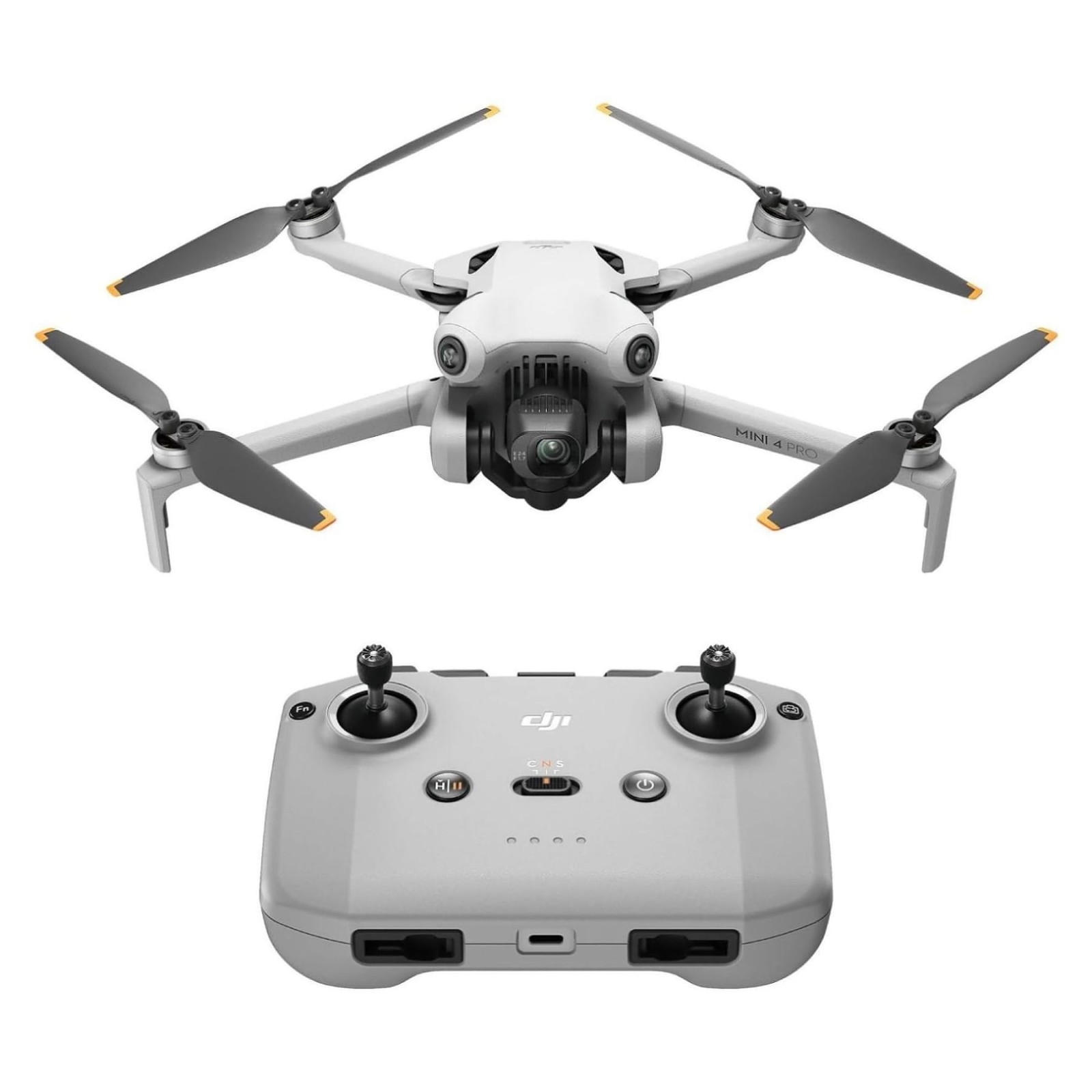 DJI Drone Mini 4 Pro (DJI RC-N2) Camera Drone (1 Battery) US Stock$569.00Excellent - Refurbished · Last checked Nov 14, 2026View on eBay
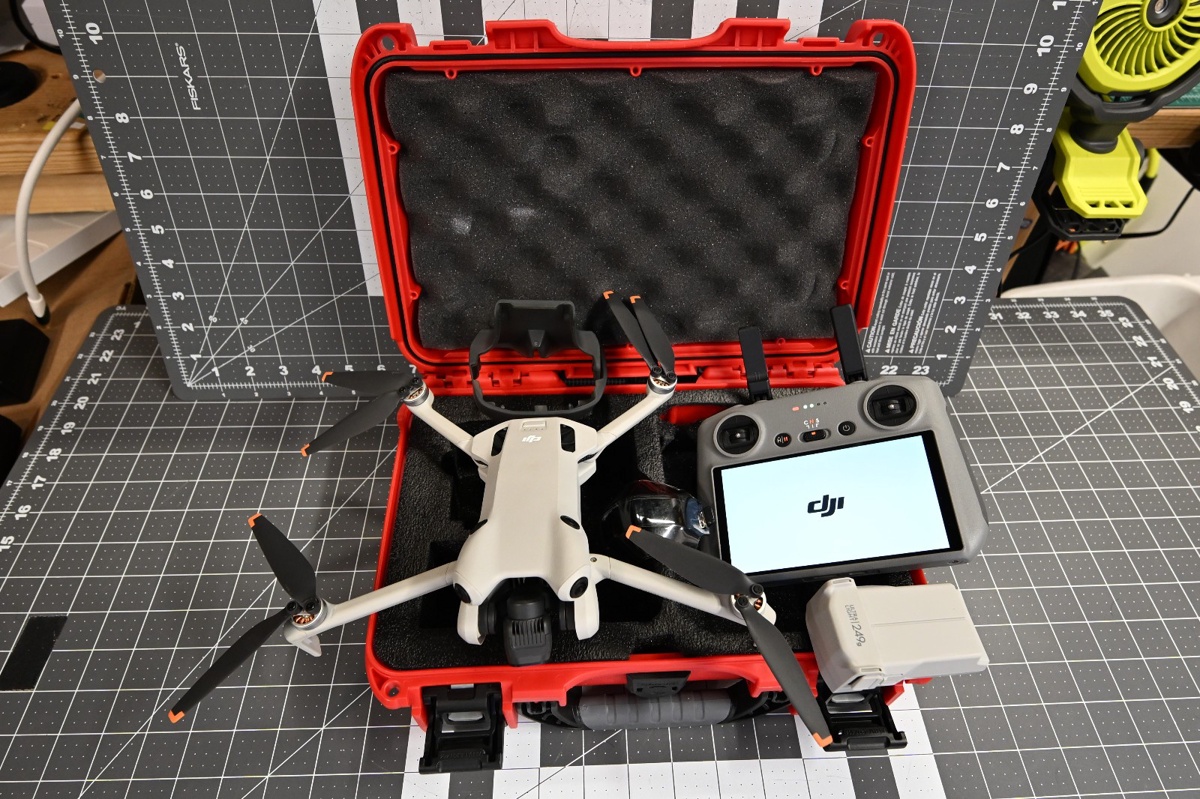 DJI Mini 4 Pro Drone RC 2 Controller 2 Batteries UNBOUND Nanuk Hard Case$699.99UsedView on eBay
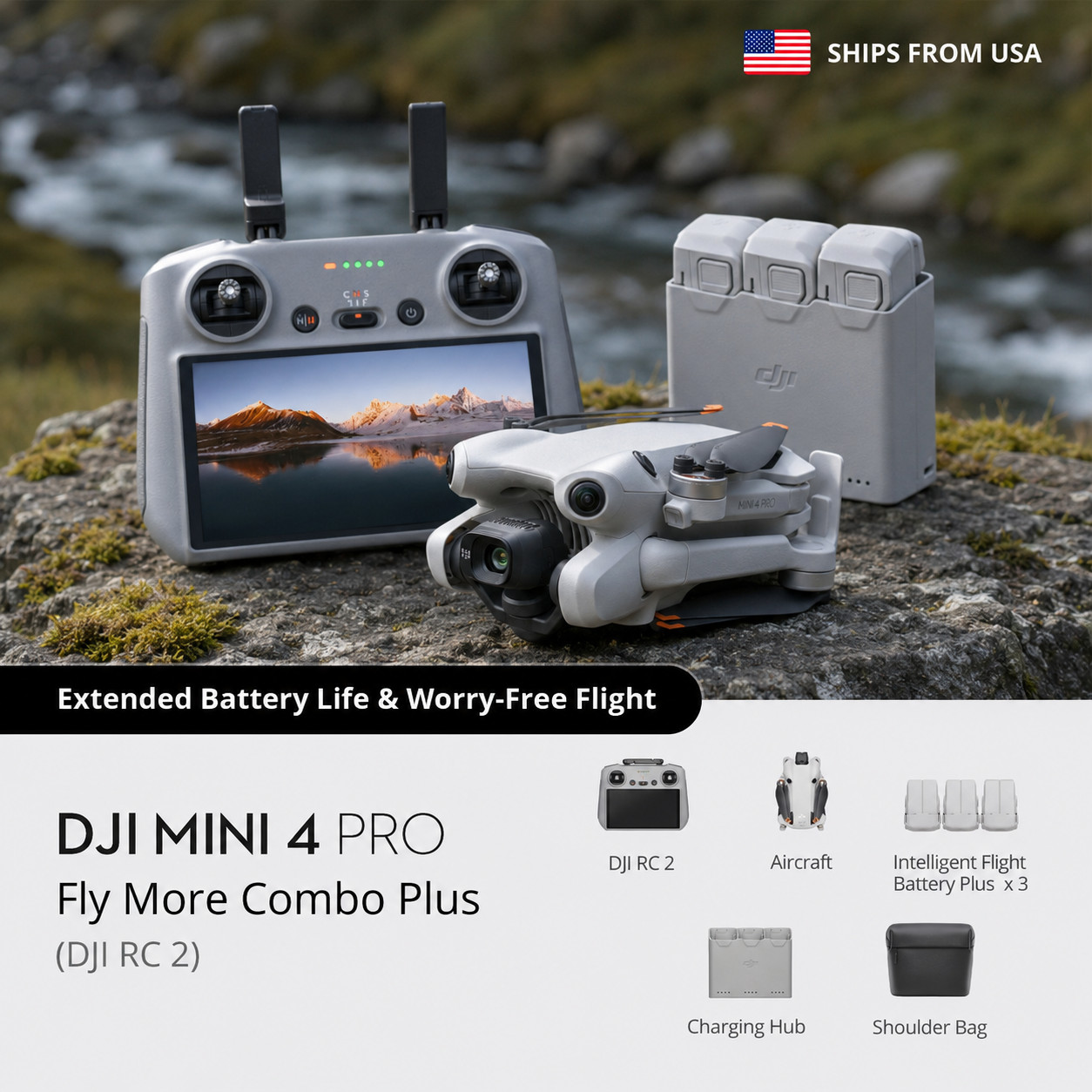 DJI Mini 4 Pro Fly More Combo Plus RC2 100% Authentic Fast Shipping Camera Drone$789.00New · Last checked Nov 15, 2026View on eBay
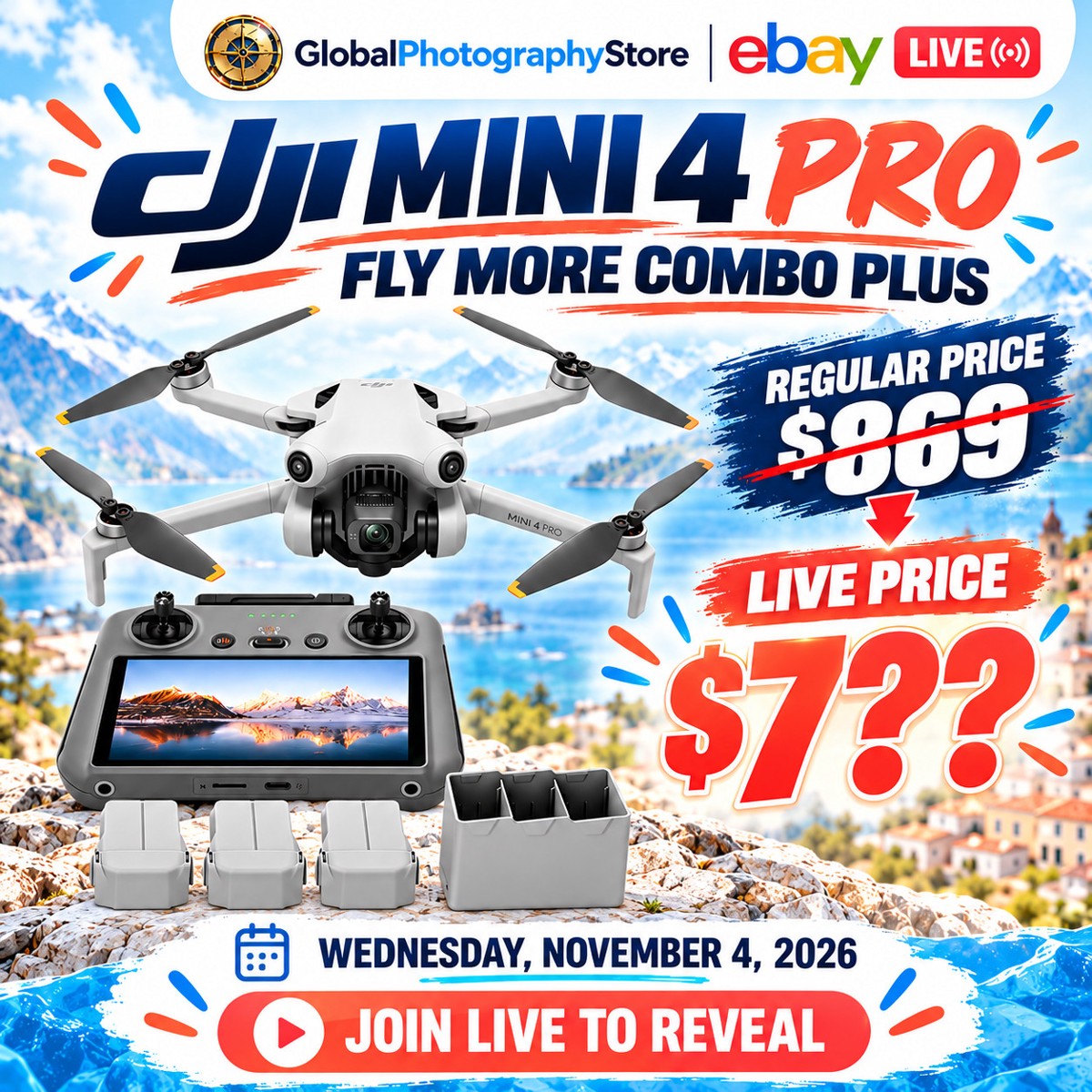 DJI Mini 4 Pro Fly More Combo Plus+DJI RC 2,Drones Camera 4K,135M Flight Fast$789.00NewView on eBay
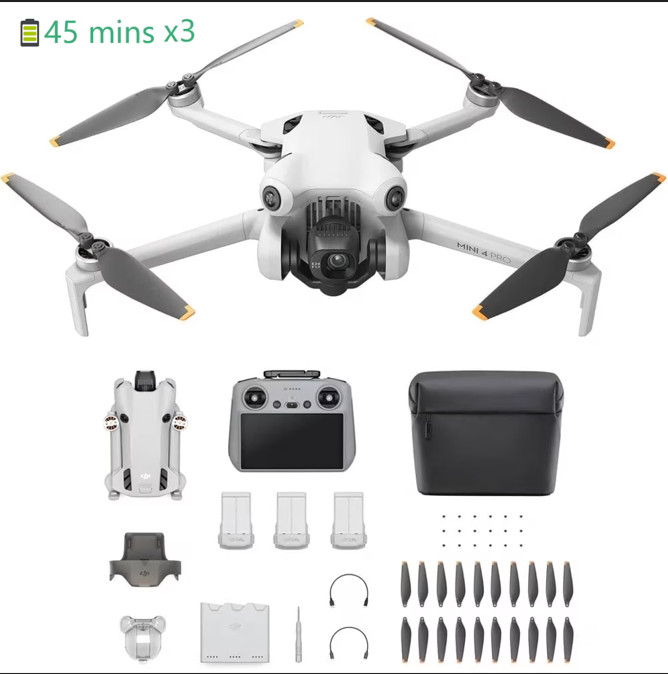 DJI Mini 4 Pro Fly More Combo Plus Drone +RC2 + 3Batteries Plus US 2DAY$819.00New · Last checked Nov 14, 2026View on eBay
Highlights
- Weight class: Both models stay under 249g, avoiding registration in most regions, but the Mini 4 Pro adds omnidirectional vision sensors and a larger 2590mAh battery.
- Camera system: Mini 4K uses a 1/2.3-inch sensor with 4K/30fps and 3-axis gimbal; Mini 4 Pro upgrades to a 1/1.3-inch sensor, 4K/60fps HDR, 4K/100fps slow-mo, and dual native ISO.
- Transmission: Mini 4K uses O2 (10km FCC) while Mini 4 Pro uses O4 (20km FCC) with 1080p/60fps live feed and four-antenna diversity for urban robustness.
- Intelligent features: Mini 4 Pro supports ActiveTrack 360°, omnidirectional obstacle sensing, and waypoint missions; Mini 4K has none of these—only QuickShots and manual flight.
Best use cases
- Best fit: Travel and hiking—pick the Mini 4 Pro with the RC-N2 or RC 2 controller for its sub-249g weight, foldable design, and obstacle avoidance in cluttered environments.
- Best fit: First-time pilots on a budget—choose the Mini 4K Fly More Combo for extra batteries and a carrying case, but fly only in open areas with clear line of sight and no automated tracking.
- Wrong fit: Professional real-estate or inspection work requiring vertical 4K/60 or 20MP stills—skip both and step up to the Air 3 or Mavic 3 series for larger sensors and dual lenses.
- Wrong fit: Flying in high-wind coastal areas—the Mini 4K’s Level 5 wind resistance is lower than the Mini 4 Pro’s Level 5, but neither is rated for sustained gusts above 10.7 m/s; consider a heavier drone for gusty conditions.
Buying tips
- Battery life: Mini 4K’s 2250mAh battery yields up to 31 minutes; Mini 4 Pro’s 2590mAh yields up to 34 minutes (or 45 with the Plus battery, which pushes weight to 249g exactly).
- Controller compatibility: Mini 4K works with the RC-N1 and DJI RC; Mini 4 Pro requires RC-N2 or RC 2—older controllers are not cross-compatible.
- Storage: Both support microSD up to 512GB; for 4K/60 HDR on the Mini 4 Pro, use U3/V30 cards to avoid write errors.
- Obstacle avoidance: Only the Mini 4 Pro has omnidirectional sensing; the Mini 4K has downward vision positioning only—do not rely on it for automated return-to-home in obstructed areas.
Specs
| Weight Class | Under 249g (both models) |
|---|---|
| Sensor Size | 1/2.3" (4K) vs 1/1.3" (Pro) |
| Obstacle Sensing | Downward only vs Omnidirectional |
| Transmission | O2 10km vs O4 20km |
Alternatives to compare
Related searches
What to check before buying
- Regulatory check: Confirm local drone regulations—sub-249g often avoids registration but may still require remote ID or a license for commercial use.
- Phone compatibility: RC-N2 and RC-N1 require a compatible phone with the DJI Fly app; check that your phone’s OS is supported (iOS 12+ / Android 8+).
- Propeller clearance: The folded dimensions are 148×94×42mm (Mini 4K) vs 148×94×42mm (Mini 4 Pro)—ensure your carrying case has at least 20cm of internal length.
- Wind and weather: Both drones are not water-resistant; avoid flying in rain or snow, and note that winds above 10.7 m/s exceed their rated resistance.
FAQ
Data sources: eBay / Amazon listings and product attribute feeds. Updated Nov 28, 2026.
Some links on this page are affiliate links. If you buy after clicking one, we may earn a commission at no extra cost to you. This does not change which products appear here or their order. Affiliate disclosure.