

Photos from current listings. Actual item, color, and included accessories may vary.
Douk Audio U3 Buying Guide
The Douk Audio U3 is a compact desktop headphone amplifier built around a single-ended Class A architecture, intended to add gain and tonal warmth to headphones that sound thin or underpowered from a phone or PC jack. The defining trade-off is Class A's constant-current bias: it delivers smooth, low-distortion sound at the cost of heat and low efficiency, so buyers must match it to the right headphone impedance and sensitivity rather than expecting it to drive everything. The decision rule is simple: buy it for high-sensitivity, low-to-medium impedance dynamic headphones that need flavor and headroom, and skip it for low-sensitivity planars or high-impedance 600-ohm loads that demand far more voltage swing and current.
Key takeaways
- Class A single-ended topology biases the output transistor continuously on, eliminating crossover distortion and yielding a sweeter midrange than budget Class AB or op-amp amps.
- RCA line-level inputs and a front 3.5mm headphone output make it a pure analog amplifier—no built-in DAC, so a separate DAC or a 3.5mm-to-RCA source cable is mandatory.
- The U3 ships as a desktop unit with an external DC power supply; its output power is modest and best suited to headphones roughly 16–150 ohms with sensitivity above ~100 dB/mW.
At a glance
- Category
- DACs & Headphone Amplifiers
- Status
- Listings available
- Last updated
- Nov 25, 2026
Current offers
Highlights
- Class A single-ended topology biases the output transistor continuously on, eliminating crossover distortion and yielding a sweeter midrange than budget Class AB or op-amp amps.
- RCA line-level inputs and a front 3.5mm headphone output make it a pure analog amplifier—no built-in DAC, so a separate DAC or a 3.5mm-to-RCA source cable is mandatory.
- The U3 ships as a desktop unit with an external DC power supply; its output power is modest and best suited to headphones roughly 16–150 ohms with sensitivity above ~100 dB/mW.
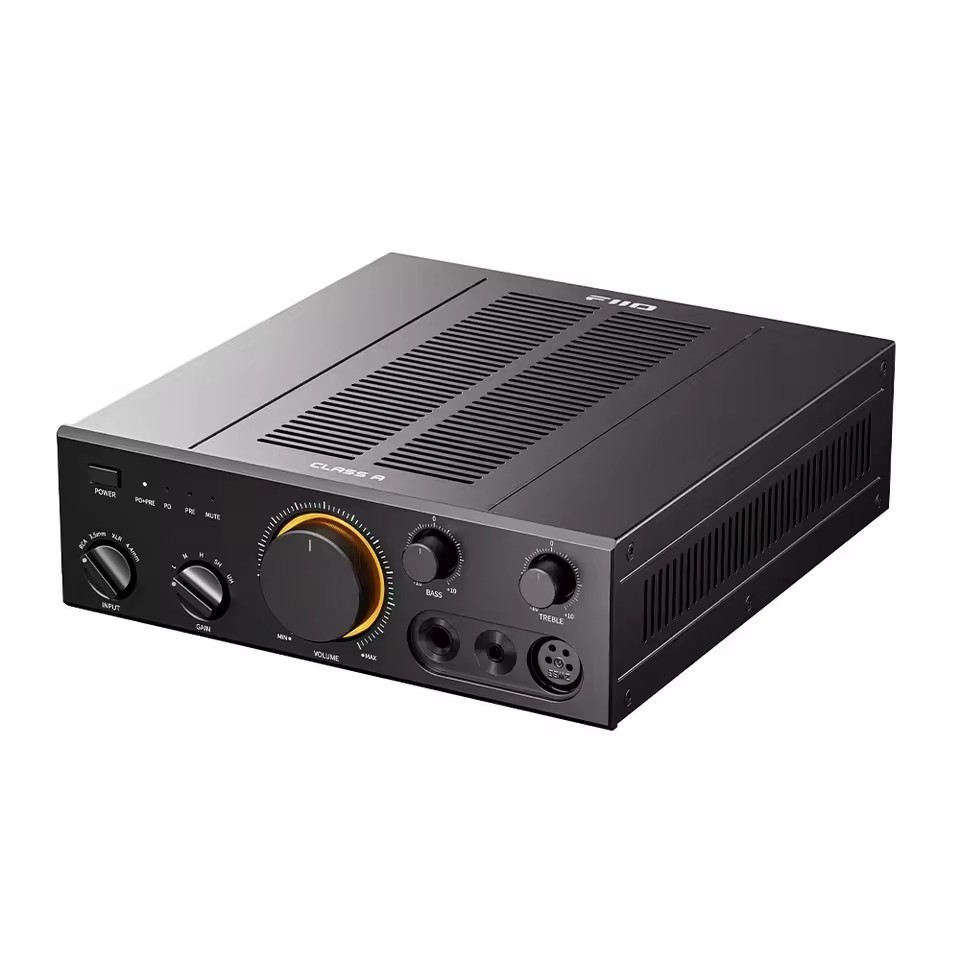
- Aluminum alloy chassis and exposed heat dissipation reflect the Class A bias—the unit runs warm by design, so ventilation clearance matters more than with Class D amps.
Best use cases
- Best fit: drive 32–80 ohm dynamic headphones (e.g., Grado, Audio-Technica ATH-M series, Sennheiser HD 5xx) from a PC or phone via a 3.5mm-to-RCA cable for added warmth and volume.
- Best fit: desktop listeners who already own a dedicated DAC and want an affordable analog flavor stage between DAC and headphones.
- Wrong fit: low-sensitivity planar magnetic headphones (e.g., HiFiMan Sundara, planar models under ~95 dB/mW) need far more current and voltage than the U3's Class A output can supply.
- Wrong fit: 300–600 ohm high-impedance dynamic headphones (e.g., HD 600/650/800) will play but lack dynamic headroom and bass control from this amp's power envelope.
Buying tips
- Match headphone sensitivity first: headphones rated ≥100 dB/mW and ≤150 ohms are the U3's sweet spot; below ~95 dB/mW, choose a higher-power amp instead.
- Plan for a source: the U3 has no USB or optical input, so budget for a separate DAC or a 3.5mm-to-RCA cable from your existing source.
- Class A runs hot—allow at least a few centimeters of open air around the chassis and avoid stacking it under other heat-generating gear.
- Confirm the included power adapter matches your region's voltage and plug type; the U3 uses an external DC supply, not USB bus power.
Specs
| Amp Architecture | Single-ended Class A, analog only |
|---|---|
| Inputs | RCA line-level (no USB/optical) |
| Headphone Output | 3.5mm single-ended |
| Best Load Range | 16–150 ohm, ≥100 dB/mW |
Alternatives to compare

Related searches
What to check before buying
- Measure your headphone impedance and sensitivity from its spec sheet; if impedance exceeds 150 ohms or sensitivity is below 95 dB/mW, choose a different amp tier.
- Verify you have a line-level analog source (DAC, PC line-out, or phone via 3.5mm-to-RCA) since the U3 has no digital inputs.
- Check desk space and airflow: the Class A chassis needs open ventilation and should not sit in an enclosed rack.
- Confirm your region's mains voltage and plug standard against the bundled DC adapter before ordering.
FAQ
Data sources: eBay / Amazon listings and product attribute feeds. Updated Nov 25, 2026.
Some links on this page are affiliate links. If you buy after clicking one, we may earn a commission at no extra cost to you. This does not change which products appear here or their order. Affiliate disclosure.