
Photos from current listings. Actual item, color, and included accessories may vary.
USB Type C Charger Buying Guide
USB-C chargers are gallium nitride (GaN) or silicon-based power adapters that negotiate voltage and current via USB Power Delivery (PD) to fast-charge phones, tablets, and laptops from a single port. The core trade-off is between compact GaN designs with high PD wattage and cheaper silicon bricks with fixed or limited PD profiles. The decision rule: buy only chargers that explicitly list USB-IF-certified PD 3.0/3.1 profiles and the exact wattage your largest device demands; skip any adapter that lists only 'fast charge' without published voltage/current tiers.
Median $42.99
Key takeaways
- GaN III chargers run cooler and pack 65–140W into palm-sized shells versus silicon bricks that need 30–50% more volume for the same wattage.
- USB PD 3.1 (EPR) extends single-port output to 140W/28V, enabling 16-inch laptop charging; PD 3.0 caps at 100W/20V and is standard on phones and tablets.
- Multi-port chargers share total wattage: a 100W 3-port unit typically allocates 65W+30W or 45W+30W+20W, so a laptop on one port drops phone charging speed.
At a glance
- Category
- Chargers, Power Banks & Adapters
- Last updated
- Nov 27, 2026
Current offers
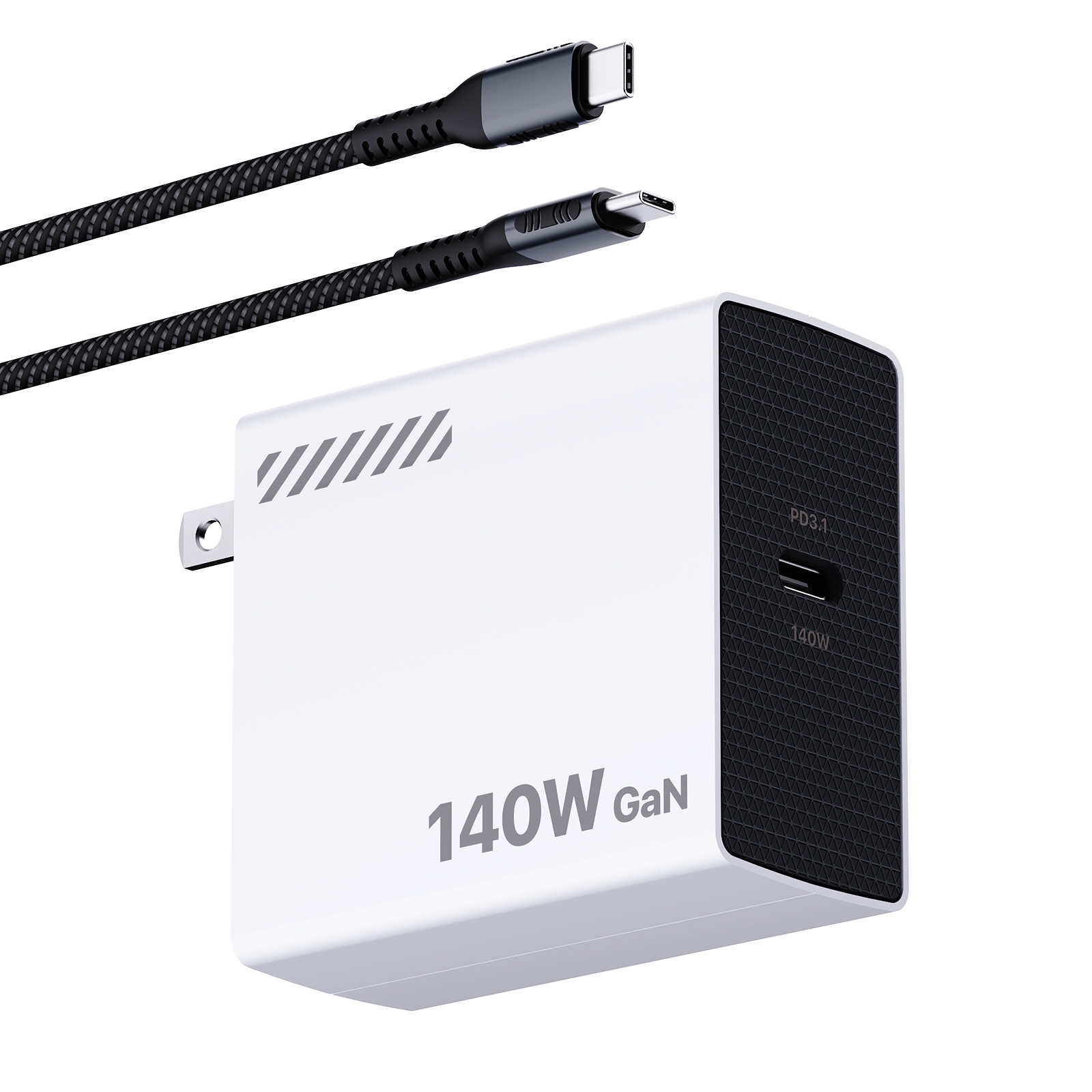 140W GaN Fast Charger USB-C PD 3.1 Power Adapter for Laptop Tablet Phone Travel$26.59View on eBay
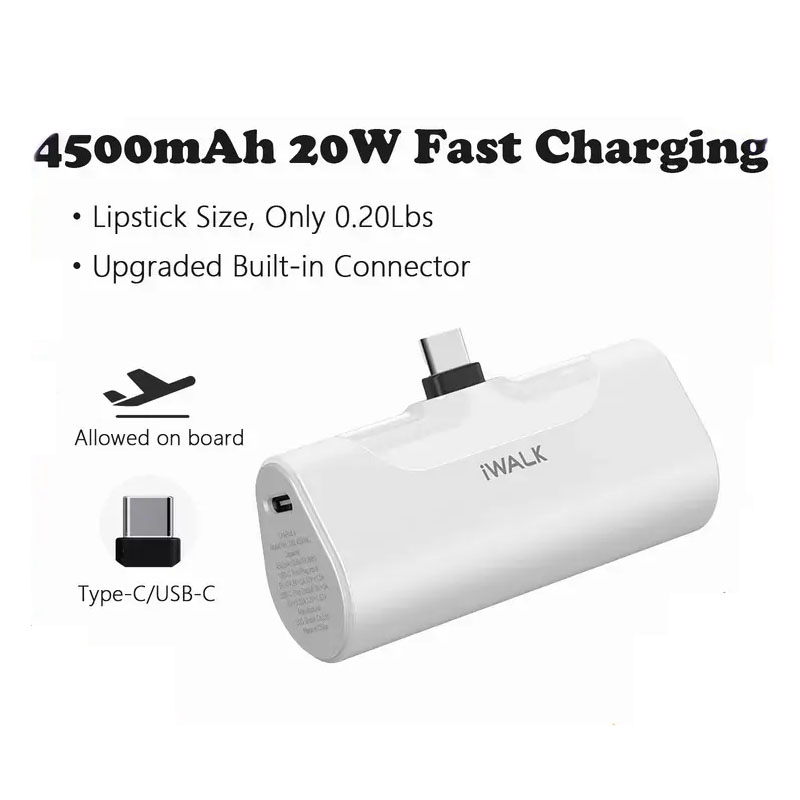 Mini Portable Charger 4500mAh USB C 20W Fast Charging Power Bank Compact Lightweight Battery Pack With Cable For IPhone 17 16 15 Pro Max Smartphones Travel And Everyday Outdoor Use$18.99View on Mallflare
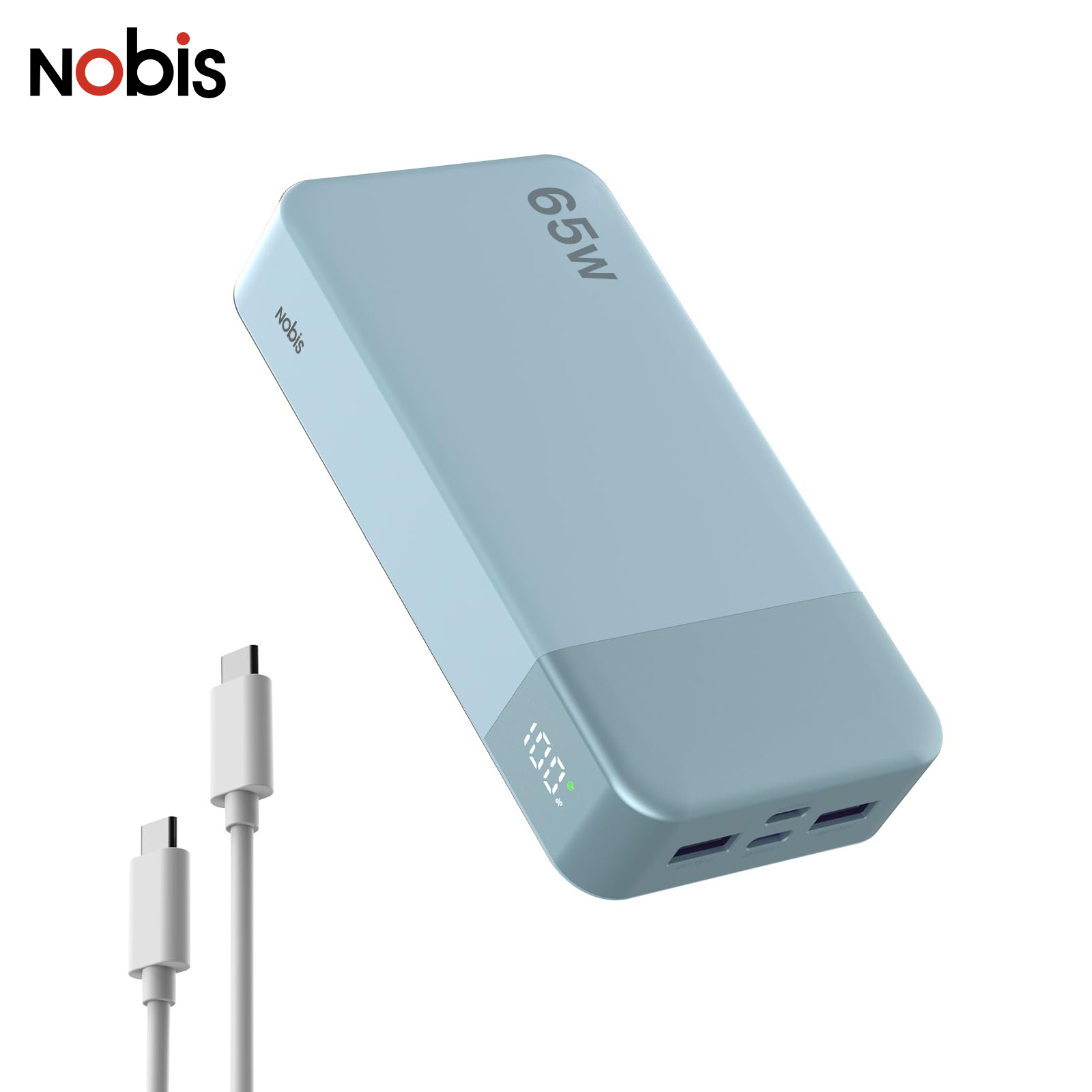 Portable Charger 20000mAh Power Bank 65W PD Fast Charging USB C Battery Pack, Smart LED Digital Display Indicator, Multi-Ports Output External Compatible With Laptop, Phone, Tablet$42.99View on Mallflare
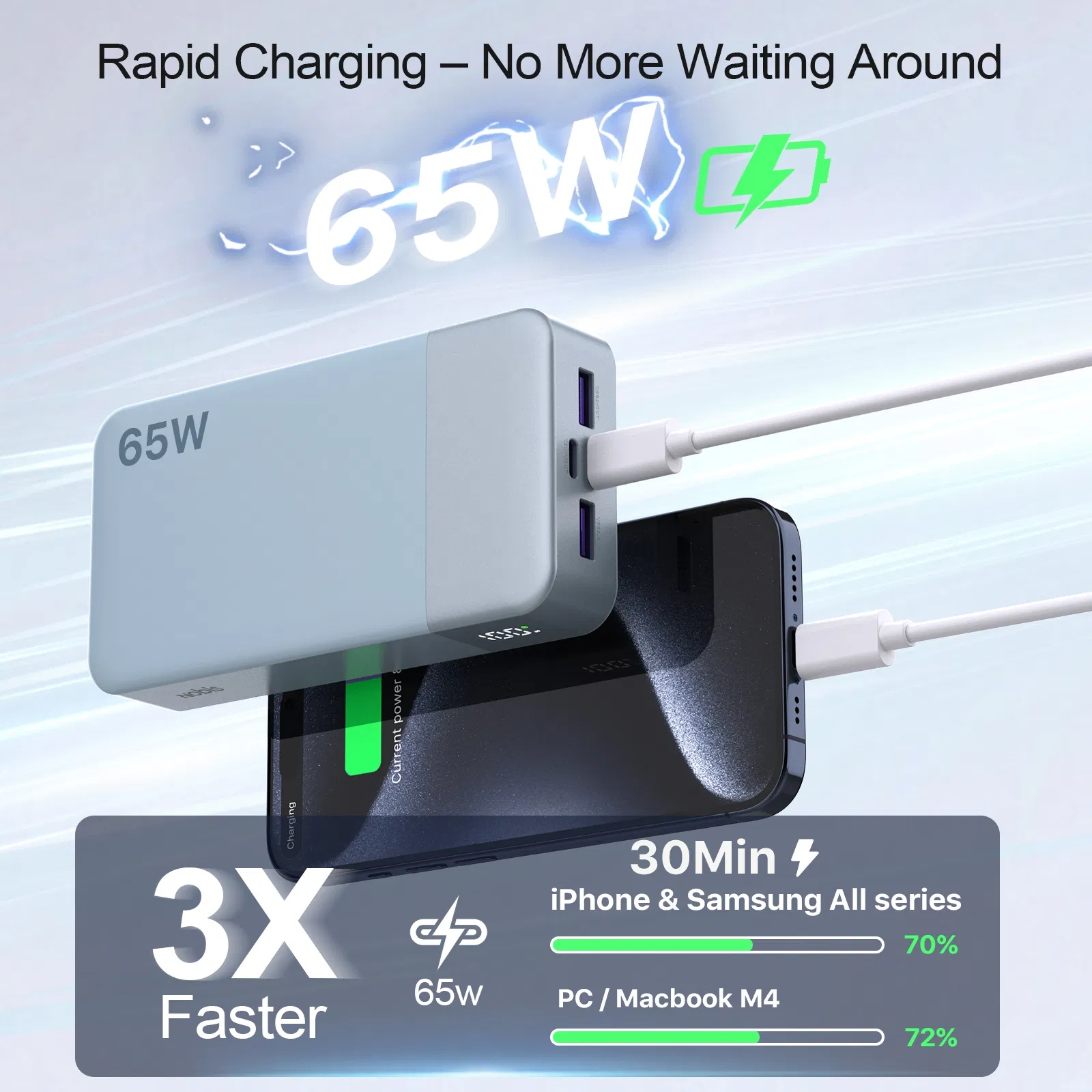 Nobis 20000mAh Multi Output Portable Charger 65W USB C Input Fast Charging Power Bank Travel Friendly Backup External Battery For Laptop, Mobile Phone And Wearable Electronics For Business Trip$43.99View on Mallflare
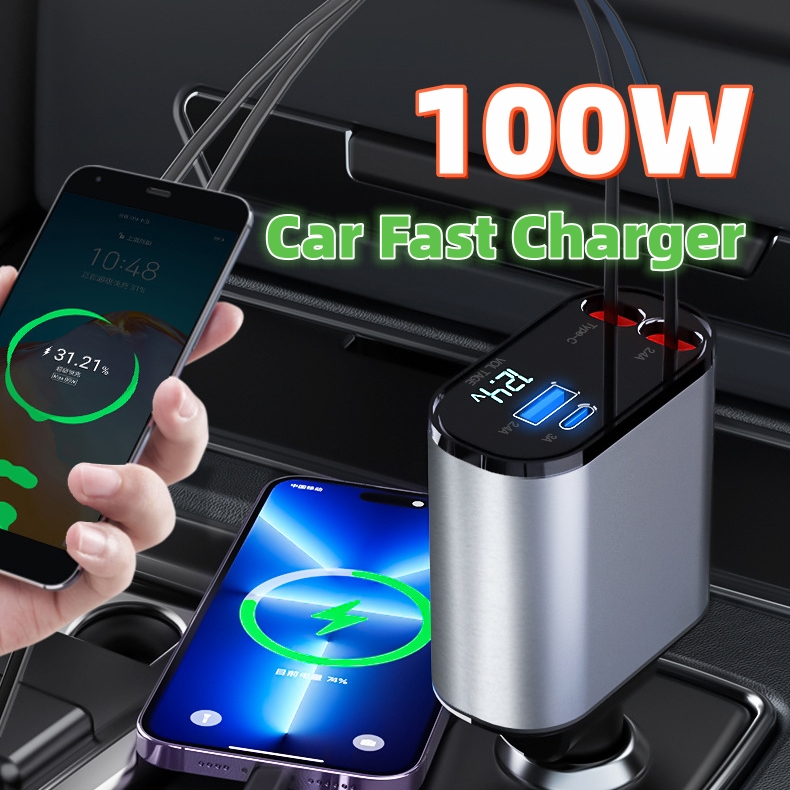 Metal Car Charger 100W Super Fast Charging Car Cigarette Lighter USB And TYPE-C Adapter$87.99View on Mallflare
Highlights
- GaN III chargers run cooler and pack 65–140W into palm-sized shells versus silicon bricks that need 30–50% more volume for the same wattage.
- USB PD 3.1 (EPR) extends single-port output to 140W/28V, enabling 16-inch laptop charging; PD 3.0 caps at 100W/20V and is standard on phones and tablets.
- Multi-port chargers share total wattage: a 100W 3-port unit typically allocates 65W+30W or 45W+30W+20W, so a laptop on one port drops phone charging speed.
- USB-IF certification and a printed PD voltage/current table on the shell separate real adapters from generic bricks that may not negotiate 9V/12V/15V/20V correctly.
Best use cases
- Phone-only daily carry: pick a 20–30W single-port PD 3.0 GaN charger (USB-C to Lightning or USB-C to USB-C cable required); skip 65W+ bricks that add bulk and cost for no speed gain.
- Laptop + phone travel: choose a 65–100W 2-port PD 3.0 charger with at least 45W dedicated to the laptop port; avoid 30W dual-port units that split to 15W+15W.
- 16-inch MacBook Pro or high-power workstation: buy a 140W PD 3.1 single-port GaN charger and a 240W-rated EPR cable; a 100W PD 3.0 charger will charge but at reduced speed under load.
Buying tips
- Match wattage to the device's maximum draw: phones 18–30W, tablets 30–45W, 13–14-inch laptops 45–65W, 15–16-inch laptops 90–140W; a lower-wattage charger works but charges slowly.
- Choose GaN construction over plastic-shell silicon for any charger above 45W; GaN runs cooler and is typically 30–50% smaller at the same wattage.
- Insist on USB PD 3.0 (or 3.1 EPR for 140W) with published fixed PDOs of 5V/9V/12V/15V/20V; proprietary fast-charge modes (e.g., VOOC, SuperCharge) only hit full speed with same-brand phones.
- For multi-port units, check the per-port allocation table: a '100W' 3-port charger often gives 65W to one port only when the others are empty.
Specs
| PD Standard | USB PD 3.0 (100W) / PD 3.1 EPR (140W) |
|---|---|
| Wattage Tiers | 20–30W phone / 45–65W laptop / 90–140W pro |
| Construction | GaN III vs silicon (plastic shell) |
| Cable Requirement | 3A (60W) / 5A e-marked (100W) / 240W EPR |
Related searches
What to check before buying
- Measure your device's maximum charging wattage from its original adapter or spec sheet; buy at or above that number for full speed.
- Confirm your cable is rated for the wattage: standard USB-C cables cap at 60W (3A); 100W+ needs a 5A e-marked cable, and 140W needs a 240W EPR cable.
- Check plug type and voltage for your region (US Type A/B 120V, EU Type C/F 230V); travel chargers need interchangeable prongs or a separate plug adapter.
- For multi-port use, confirm the port allocation supports your simultaneous devices (e.g., laptop + phone needs a model that keeps ≥45W on one port when both are plugged in).
FAQ
Data sources: eBay / Amazon listings and product attribute feeds. Updated Nov 27, 2026.
Some links on this page are affiliate links. If you buy after clicking one, we may earn a commission at no extra cost to you. This does not change which products appear here or their order. Affiliate disclosure.