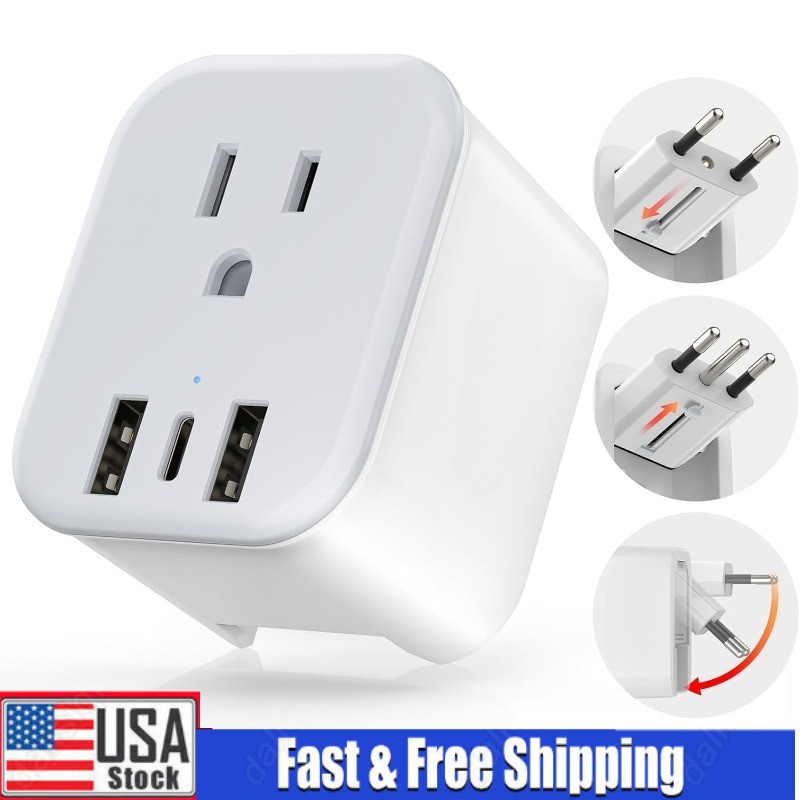

Photos from current listings. Actual item, color, and included accessories may vary.
Travel Power Adapter Buying Guide
A travel power adapter is a compact device that converts a wall outlet's physical pin layout and voltage for your electronics abroad; the core trade-off is between simple plug-shape adapters and full voltage converters, with the decisive rule being that dual-voltage devices (100–240V) only need a passive plug adapter, while single-voltage appliances require a transformer. Durable options use flame-retardant PC shells, grounded pins, and integrated GaN charging; compromises are ungrounded, unfused shavers-only adapters or underpowered converters.
Median $16.64
Key takeaways
- Passive plug adapters carry no voltage conversion—they only change pin geometry, so they are safe for dual-voltage chargers marked 100–240V but will destroy 120V-only appliances abroad.
- Travel adapters must match the destination's plug standard: Type C/F for most of Europe, Type G for UK/Ireland, Type A/B for North America, Type I for Australia/China.
- A grounded adapter with a functioning earth pin is mandatory for Class I devices (metal-bodied laptops, some hair dryers); ungrounded two-prong adapters defeat safety earthing.
At a glance
- Category
- Chargers, Power Banks & Adapters
- Last updated
- Nov 28, 2026
Current offers
Highlights
- Passive plug adapters carry no voltage conversion—they only change pin geometry, so they are safe for dual-voltage chargers marked 100–240V but will destroy 120V-only appliances abroad.
- Travel adapters must match the destination's plug standard: Type C/F for most of Europe, Type G for UK/Ireland, Type A/B for North America, Type I for Australia/China.
- A grounded adapter with a functioning earth pin is mandatory for Class I devices (metal-bodied laptops, some hair dryers); ungrounded two-prong adapters defeat safety earthing.
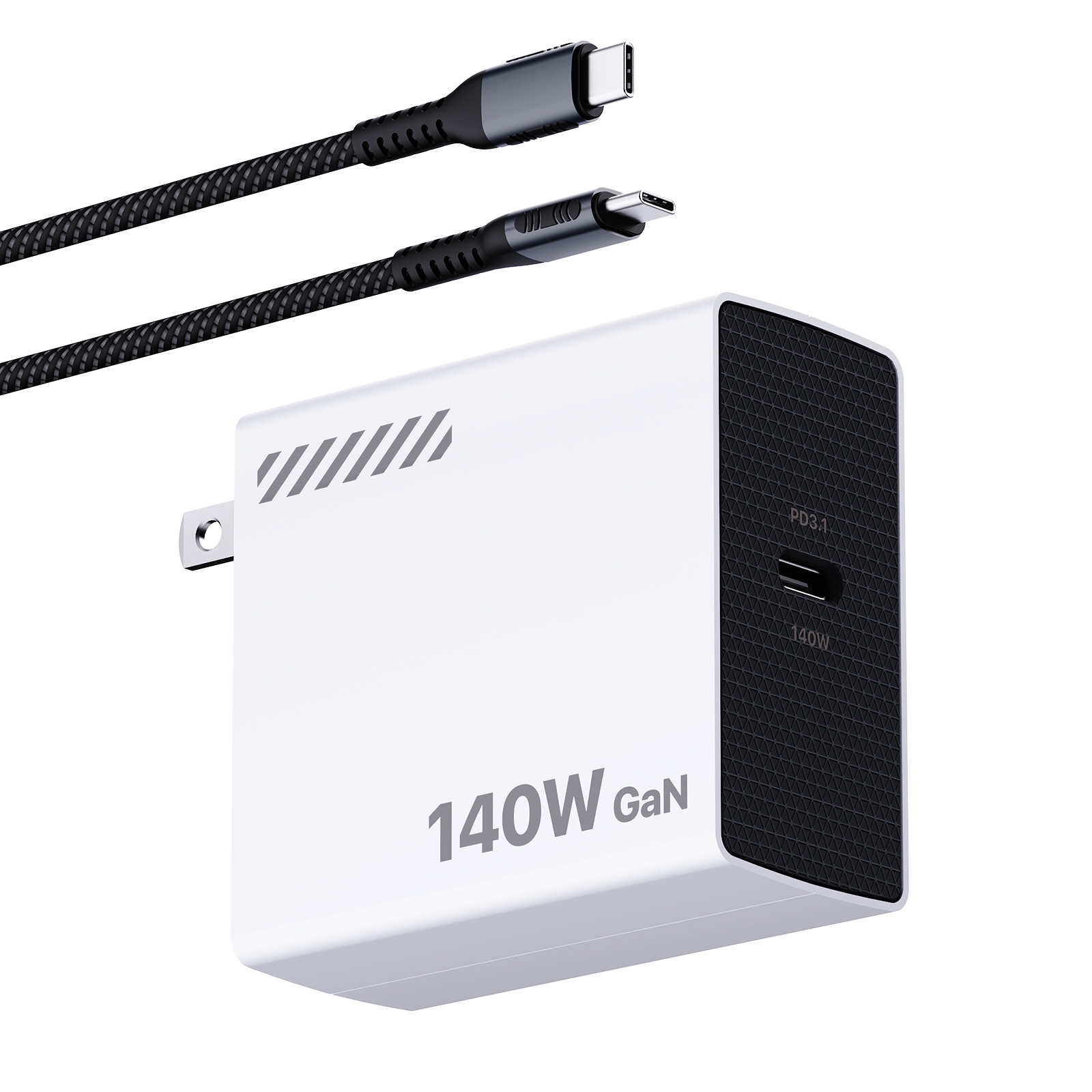
- Integrated GaN adapters (e.g., 65–140W USB-C PD 3.1) combine plug conversion and fast charging in one unit, replacing a separate travel adapter plus laptop brick.
Best use cases
- Best fit: carry a passive Type C/F plug adapter for European trips if all your gear (phone, laptop, camera) is dual-voltage 100–240V—skip voltage converters entirely.
- Best fit: choose a grounded Type G adapter for the UK when powering a metal-chassis laptop or hair dryer that requires an earth connection.
- Wrong fit: using a shavers-only adapter (typically rated 20–50W) for a hair dryer or kettle—it will overheat; use a high-wattage converter instead.
- Wrong fit: relying on a plug adapter alone for a 120V-only coffee maker or blender abroad—you need a step-up/step-down transformer rated for the appliance's wattage.
Buying tips
- Check your device's input label: 100–240V means a passive adapter suffices; a single voltage (e.g., 120V only) requires a transformer rated at least 1.5× the appliance's wattage.
- Match the adapter's pin type to the destination country—Type C (Europlug) fits most of Europe but not UK (Type G), Australia (Type I), or India (Type D).
- For high-power devices, choose an adapter rated for the load: hair dryers and kettles draw 1000–2000W, far beyond the 20–50W shavers-only adapters.
- Prefer adapters with a built-in fuse or surge protection and flame-retardant PC housing; avoid loose-fitting ungrounded cubes that stress outlet contacts.
Specs
| Plug Standard | Type C/F, G, I, A/B, D by region |
|---|---|
| Voltage Handling | Passive 100–240V vs converter |
| Power Rating | 20–50W shavers vs 1500W+ appliances |
| Grounding | 2-pin ungrounded vs earthed Schuko |
Related searches
What to check before buying
- Verify every device's input voltage (100–240V vs single voltage) and total wattage before choosing a passive adapter or transformer.
- Check the destination country's plug standard (Type C/F, G, I, A/B, D) and whether your device requires a grounded (earthed) connection.
- Measure your device's plug or brick—bulky chargers may not fit in recessed or adjacent-outlet-blocking adapters; consider a short extension cord.
- Confirm the adapter's maximum power rating (watts or amps) exceeds your device's draw, especially for heating appliances.
FAQ
Data sources: eBay / Amazon listings and product attribute feeds. Updated Nov 28, 2026.
Some links on this page are affiliate links. If you buy after clicking one, we may earn a commission at no extra cost to you. This does not change which products appear here or their order. Affiliate disclosure.