
Photos from current listings. Actual item, color, and included accessories may vary.
Rechargeable Power Bank Buying Guide
A rechargeable power bank stores DC energy in lithium cells and outputs it via USB or AC to charge phones, tablets, and small devices. The core trade-off is cell chemistry and capacity versus portability and charge speed: Li-polymer packs are slim and safe but cost more, while 18650 Li-ion packs deliver higher capacity per dollar at greater weight. Buy a pack with a named cell grade, USB-C PD output, and at least 10,000mAh for daily carry; skip unrated cells and gimmick hybrids that sacrifice output for novelty features.
Median $25.49
Key takeaways
- Cell chemistry: Li-polymer (slim, pouch) vs 18650 Li-ion (cylindrical, higher capacity per dollar, heavier)
- Output tiers: 5V/2.4A basic vs USB-C PD 20W-65W vs AC inverter 100W+ for laptops
- Capacity math: 10,000mAh at 3.7V ≈ 37Wh, the FAA/TSA carry-on limit is 100Wh (≈27,000mAh)
At a glance
- Category
- Chargers, Power Banks & Adapters
- Last updated
- Nov 27, 2026
Current offers
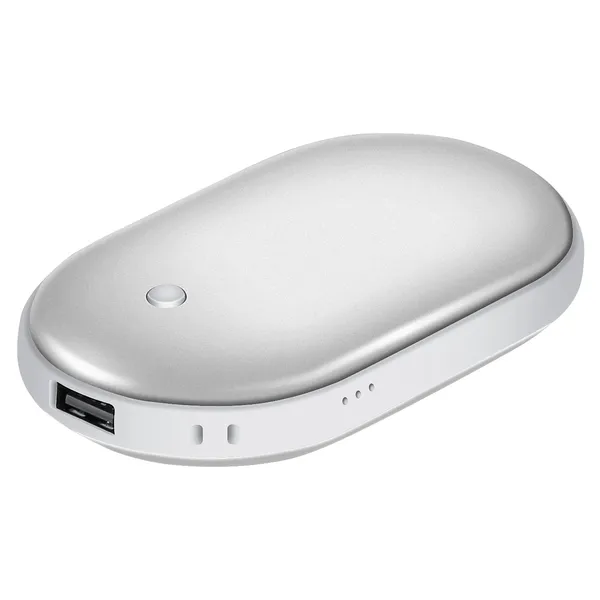 Portable Hand Warmer 5000mAh Power Bank Rechargeable Pocket Double-Sided Heating Handwarmer$24.99View on Mallflare
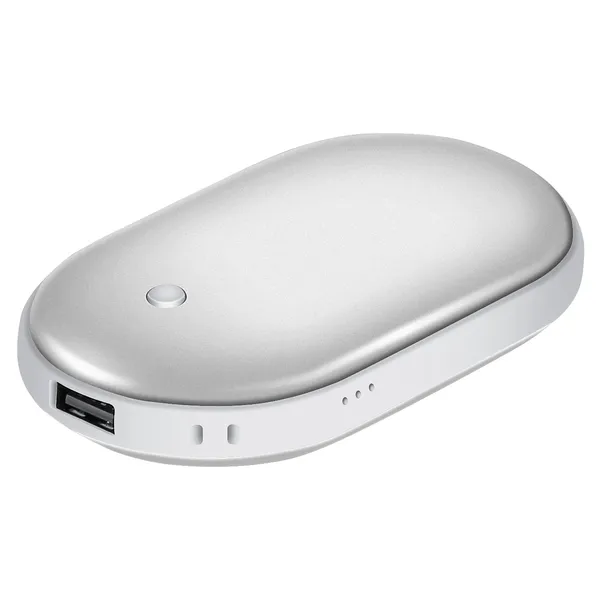 Portable Hand Warmer 5000mAh Power Bank Rechargeable$24.99View on Mallflare
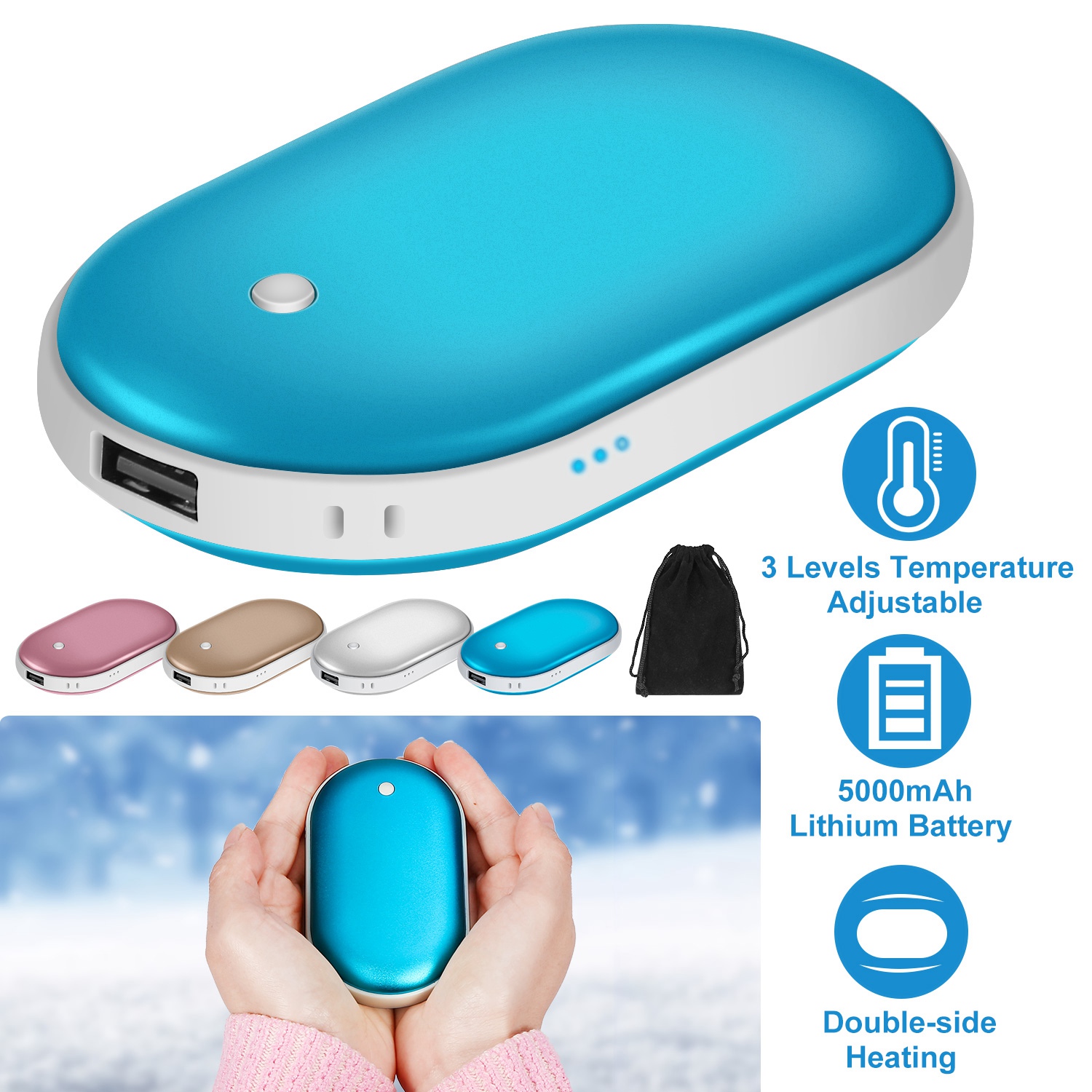 1Pc Portable Hand Warmer 5000mAh Power Bank Rechargeable Pocket Double-Sided Heating Handwarmer$25.99View on Mallflare
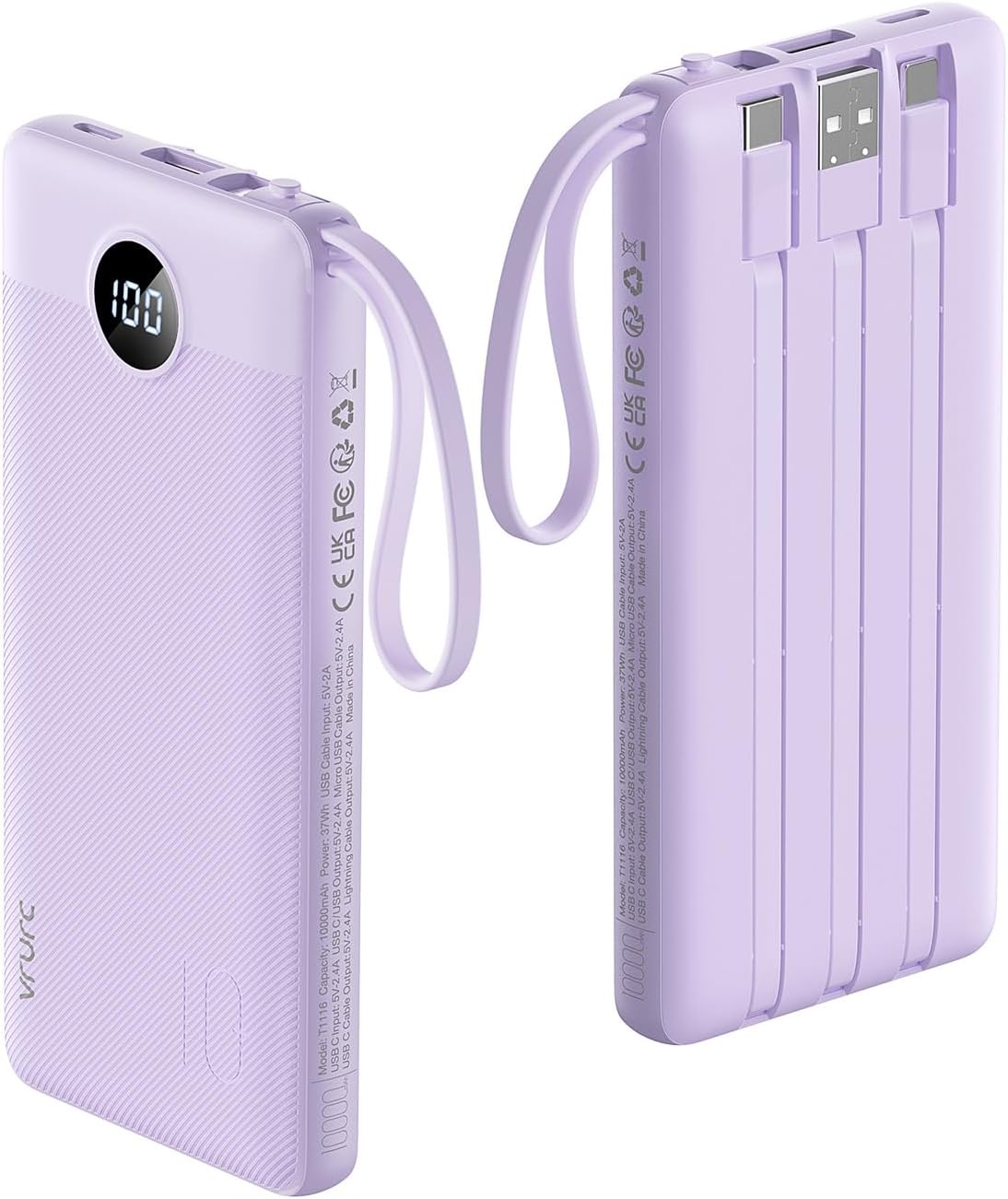 Portable Power Bank With 4 Built-In Charging Cables, Compact Rechargeable External Battery Pack Multiple Connections, Flight-Safe Travel Charger For Smartphones, Tablets, And Other USB D$80.99View on Mallflare
Highlights
- Cell chemistry: Li-polymer (slim, pouch) vs 18650 Li-ion (cylindrical, higher capacity per dollar, heavier)
- Output tiers: 5V/2.4A basic vs USB-C PD 20W-65W vs AC inverter 100W+ for laptops
- Capacity math: 10,000mAh at 3.7V ≈ 37Wh, the FAA/TSA carry-on limit is 100Wh (≈27,000mAh)
- Pass-through charging, MFi/USB-IF certification, and built-in cable strain relief determine real-world lifespan
Best use cases
- Daily phone top-ups: pick a 10,000mAh Li-polymer pack with USB-C PD 20W and one built-in cable; skip 20,000mAh+ bricks for pocket carry.
- Laptop and tablet travel: choose 20,000-27,000mAh (under 100Wh) with USB-C PD 45W-65W output; skip 5V-only packs that cannot negotiate laptop voltage.
- Cold-weather or outdoor use: a 5,000mAh hand-warmer hybrid works for pocket heat and one phone charge; skip it as a primary bank because heating drains capacity fast.
- Air travel: any pack under 100Wh (≈27,000mAh) is carry-on legal; skip 100-160Wh packs that require airline approval and are banned from checked bags.
Buying tips
- Match output wattage to device: phones need 18-20W PD, tablets 30W, ultrabooks 45-65W; a 5V/2.4A pack will not fast-charge modern laptops.
- Keep capacity under 100Wh for flights: divide mAh by 1000, multiply by 3.7V; 20,000mAh ≈ 74Wh, 27,000mAh ≈ 100Wh.
- Prefer USB-C PD 3.0 with PPS for Samsung and USB-C to Lightning for iPhone; built-in cables should be reinforced at the strain relief.
- Check cell grade: A-grade Li-polymer or branded 18650 cells (Samsung, LG, Panasonic) hold capacity after 300-500 cycles; unbranded cells degrade within a year.
Specs
| Cell Chemistry | Li-polymer vs 18650 Li-ion |
|---|---|
| Capacity Tier | 5,000 / 10,000 / 20,000 mAh |
| Max Output | 5V 2.4A / USB-C PD 20-65W |
| Flight Limit | Under 100Wh carry-on |
Related searches
What to check before buying
- Measure your phone battery: a 10,000mAh pack gives roughly 2 full charges, 20,000mAh about 4; subtract 20-30% for conversion loss.
- Confirm airline rule: pack must be under 100Wh for carry-on, and terminals must be protected; checked baggage is prohibited.
- Verify port mix: at least one USB-C PD in/out plus USB-A for legacy cables; built-in cables must match your device connectors.
- Check physical fit: pocket packs stay under 150g and 15mm thick; bag packs can be 300-500g with 20,000mAh+.
FAQ
Data sources: eBay / Amazon listings and product attribute feeds. Updated Nov 27, 2026.
Some links on this page are affiliate links. If you buy after clicking one, we may earn a commission at no extra cost to you. This does not change which products appear here or their order. Affiliate disclosure.