
Photos from current listings. Actual item, color, and included accessories may vary.
Power Bank With Outlet Buying Guide
A power bank with outlet combines a lithium-ion battery, a pure sine wave AC inverter, and USB PD charging in one portable unit. The core trade-off is between usable AC wattage, battery capacity (Wh), and weight—higher AC output and capacity add bulk and heat. Choose a model with pure sine wave output and at least 80% usable capacity for laptops and medical devices; skip modified sine wave units if you plan to run motors or sensitive electronics.
Median $42.99
Key takeaways
- Pure sine wave AC output (<3% THD) is required for laptops, CPAP machines, and medical devices; modified sine wave can cause overheating or failure.
- Capacity is measured in watt-hours (Wh): 10,000mAh at 3.7V ≈ 37Wh, while 20,000mAh ≈ 74Wh—the FAA carry-on limit is 100Wh (most airlines).
- AC inverter continuous rating (W) determines what you can run: 100W handles laptops and fans, 200W+ needed for mini-fridges or power tools.
At a glance
- Category
- Chargers, Power Banks & Adapters
- Last updated
- Nov 29, 2026
Current offers
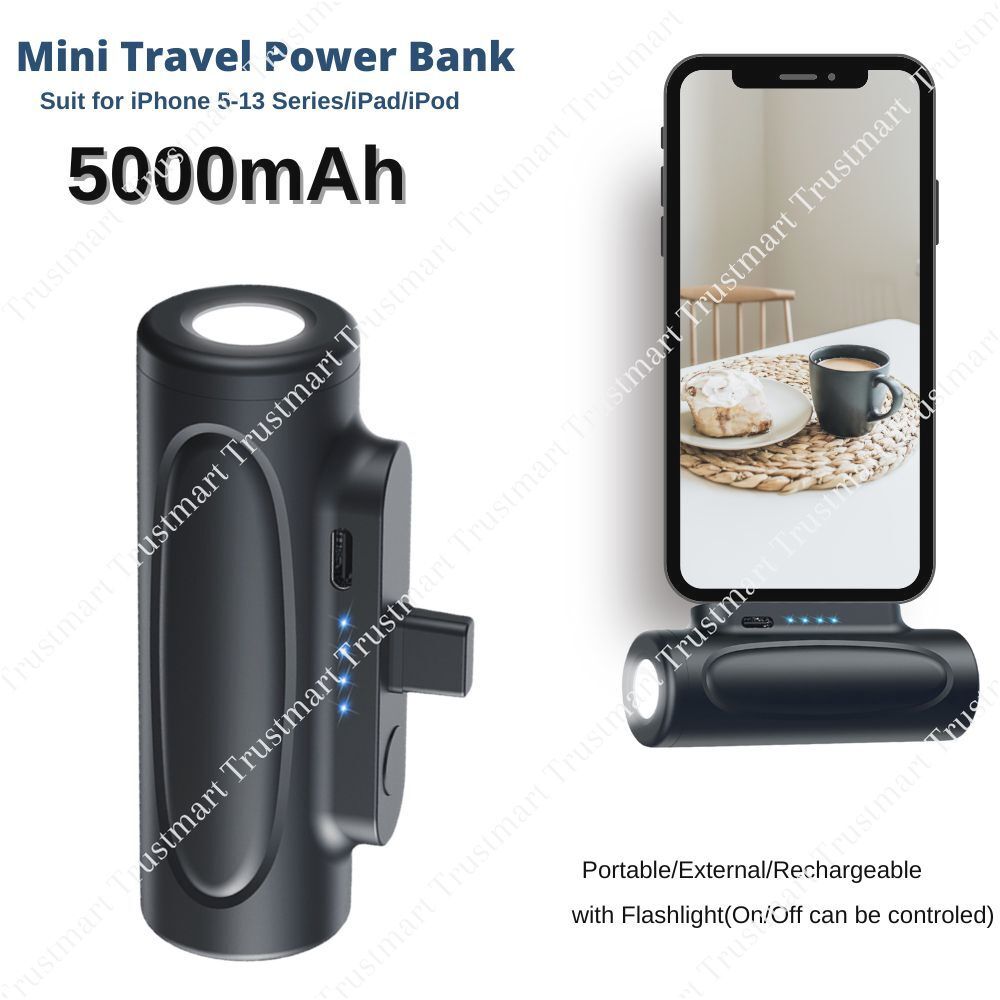 5000mAh Ultra-Small Battery Charger Travel Power Bank For Apple iPhone 14 13 12$14.33View on eBay
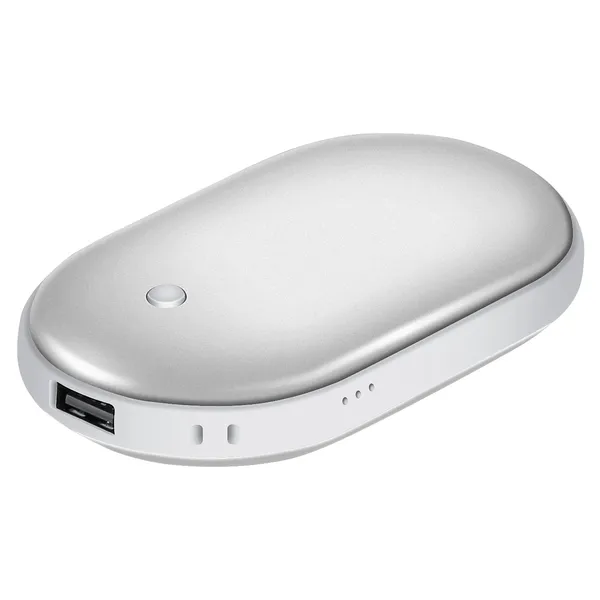 Portable Hand Warmer 5000mAh Power Bank Rechargeable Pocket Double-Sided Heating Handwarmer$24.99View on Mallflare
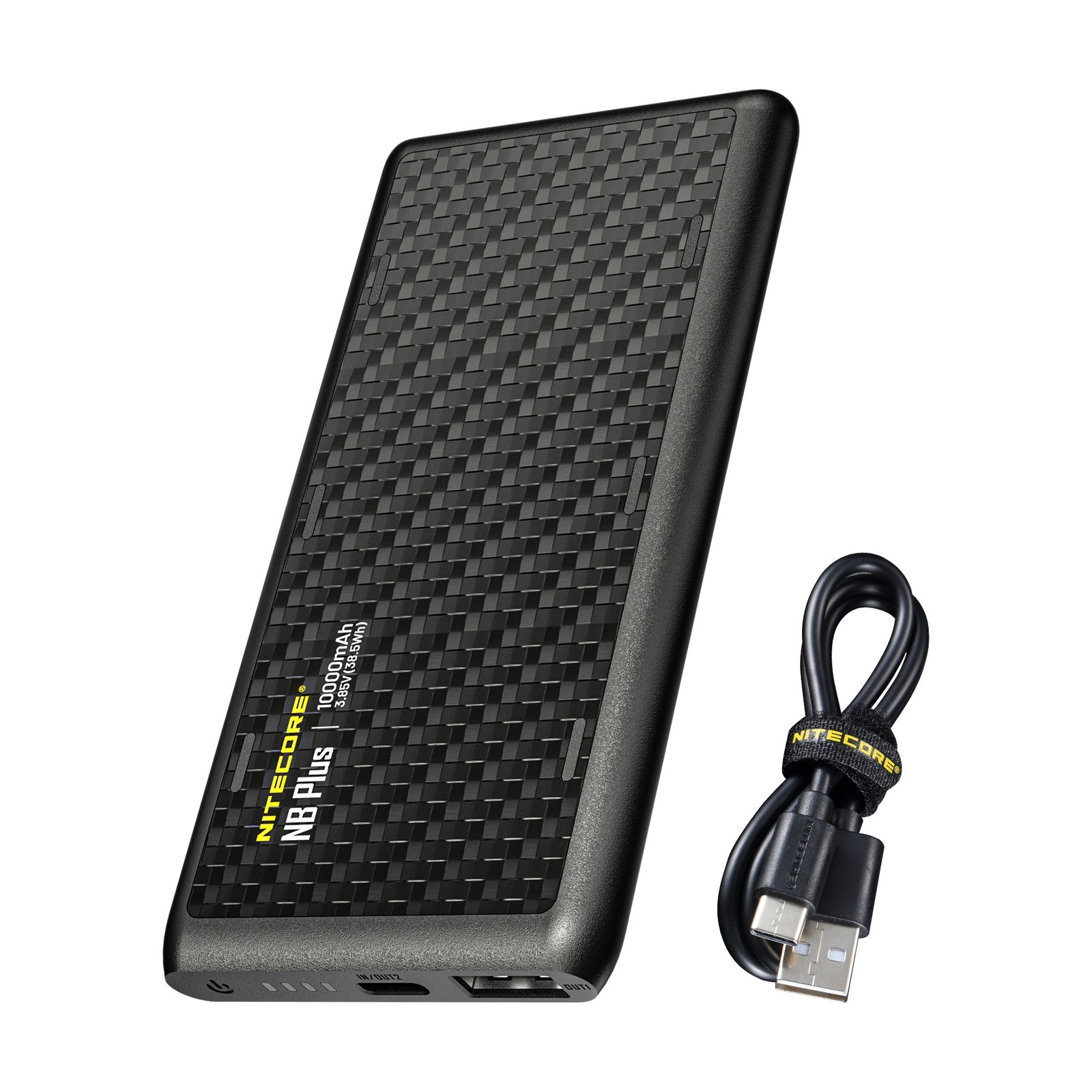 Nitecore NB Plus 10,000mAh Lightweight Power Bank$59.95Last checked Nov 19, 2026View on eBay
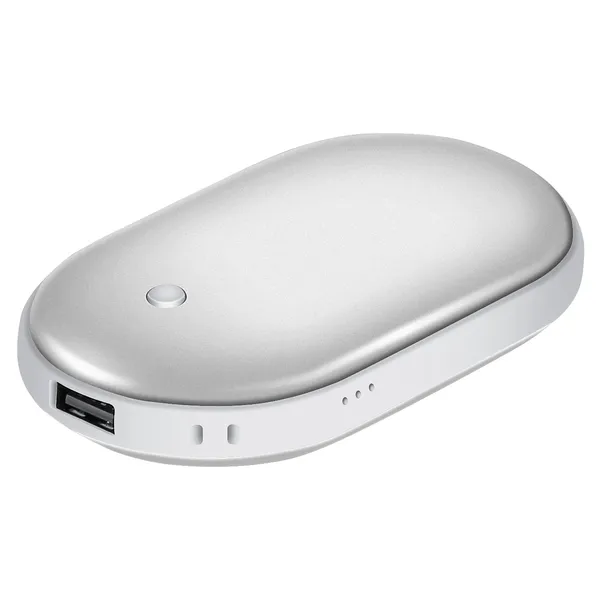 Portable Hand Warmer 5000mAh Power Bank Rechargeable$24.99View on Mallflare
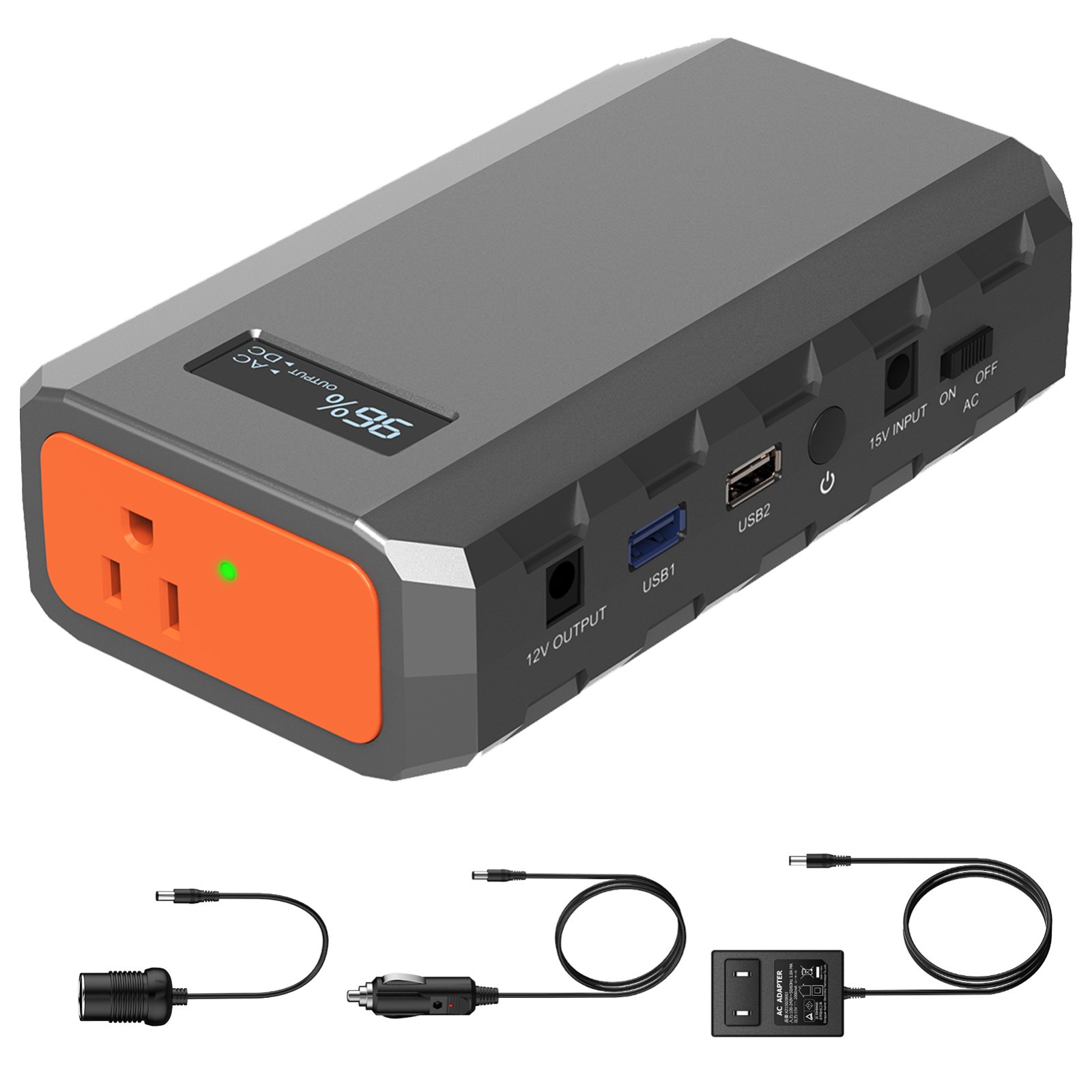 65W 88.8Wh Portable Power Bank for Home Travel Outdoor Backup USB Fast Charger$59.99View on eBay
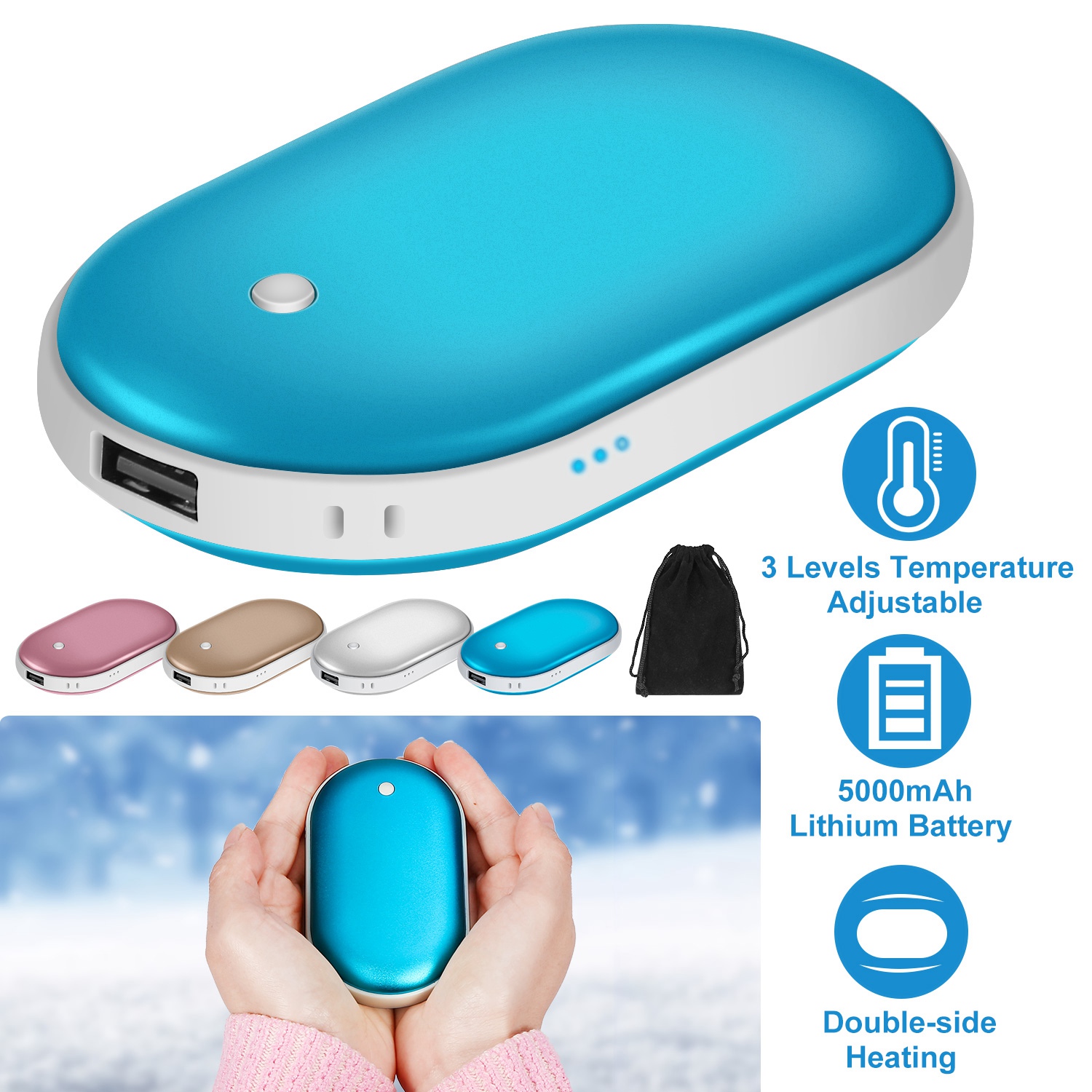 1Pc Portable Hand Warmer 5000mAh Power Bank Rechargeable Pocket Double-Sided Heating Handwarmer$25.99View on Mallflare
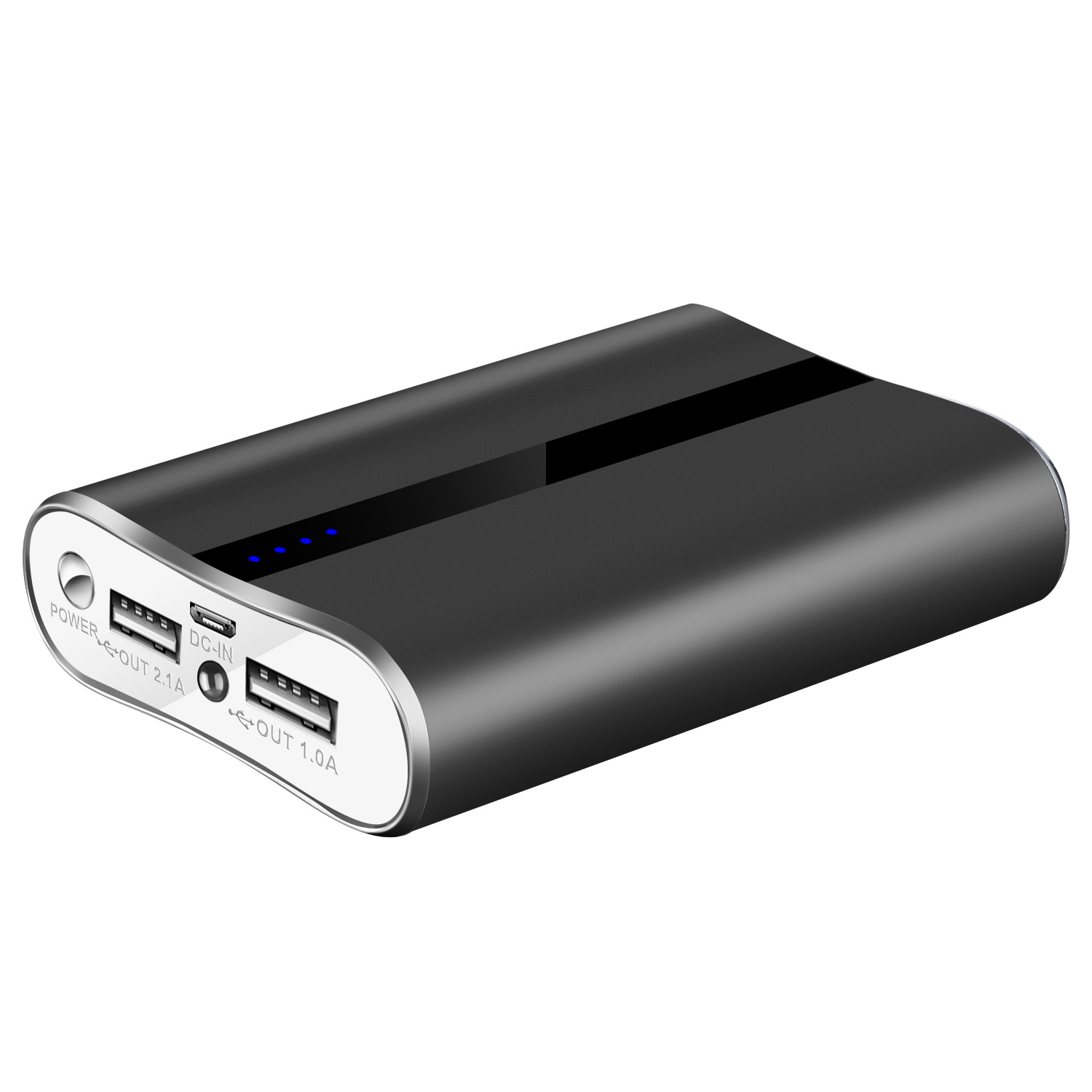 1Pc 12000mAh Portable Charger With Dual USB 3.1A Output Power Bank Ultra-Compact External Battery Pack Fast Charging$38.99View on Mallflare
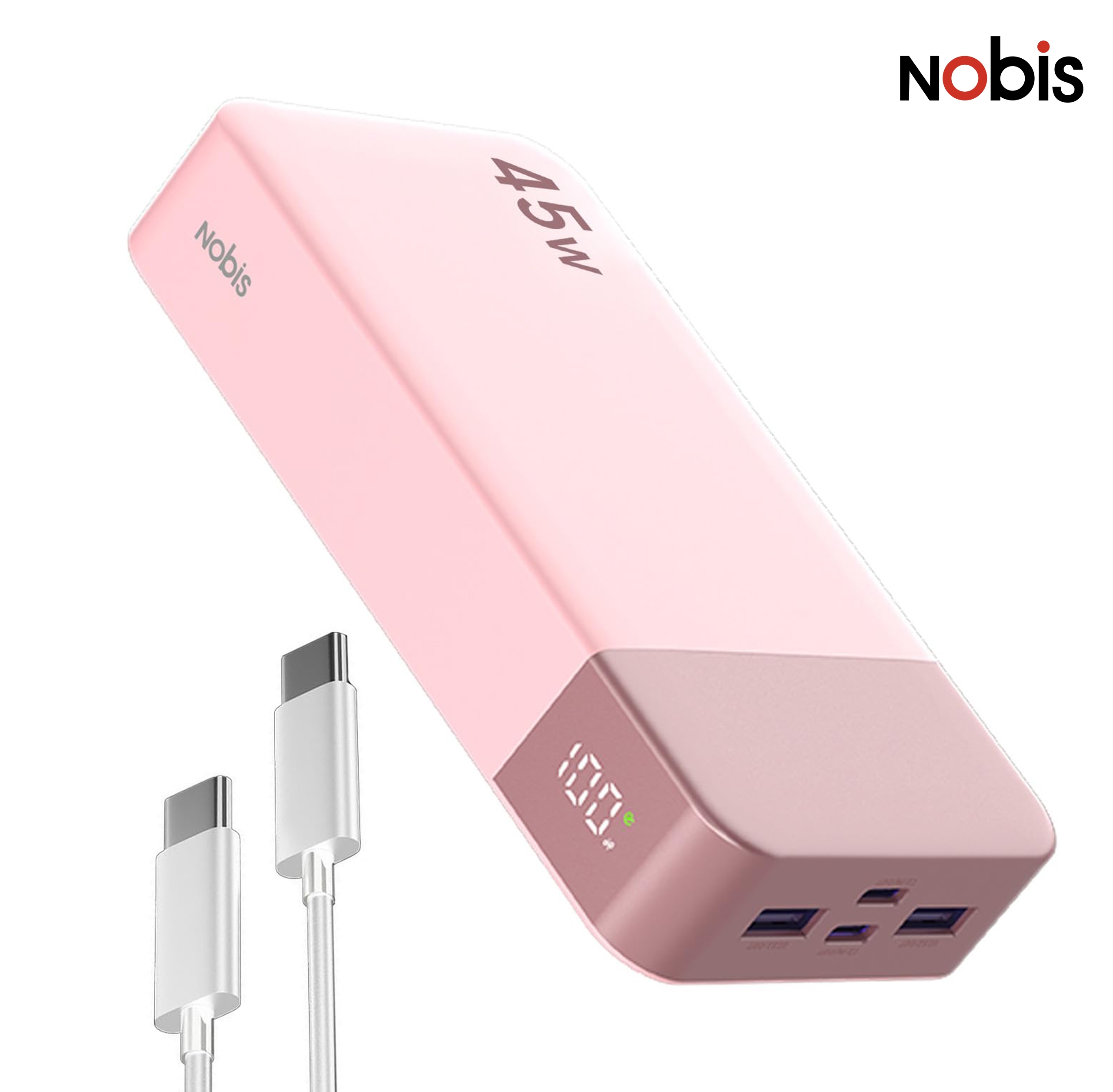 20000mAh Power Bank 45W PD USB-C Fast Charging Portable Charger, Multi Port Output Travel Large Capacity External Battery With Digital LED Display, Compatible Phone And Other USB Enabled Devices$38.99View on Mallflare
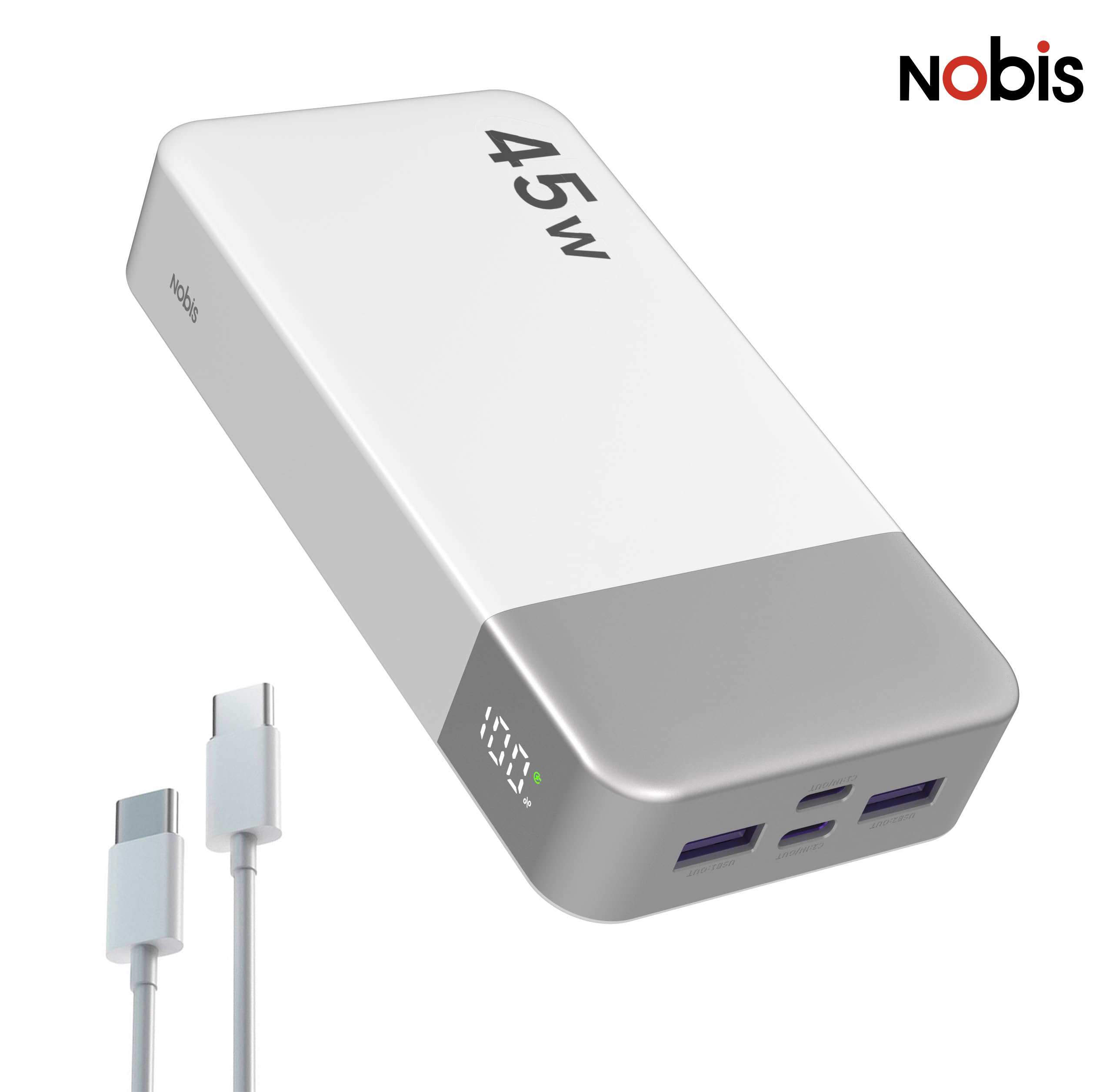 20000mAh Power Bank, 45W PD 3.0 Fast Charging Compact Travel Portable Charger External Battery With Smart Digital Display, Trickle Mode, Wide Compatibility For Smartphones, Tablets$38.99View on Mallflare
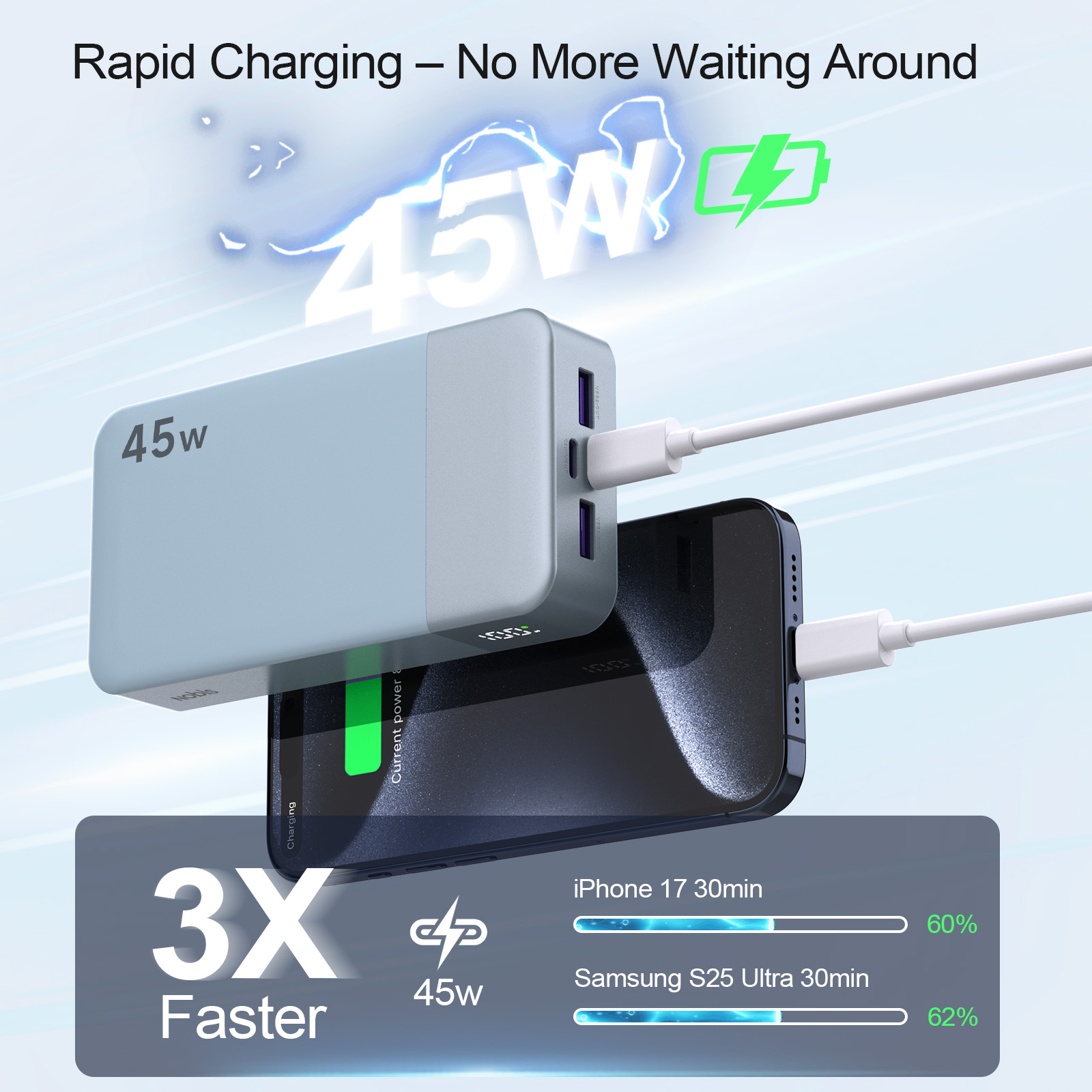 N OBIS 45W Fast Charging Power Bank 20000mAh Laotop Travel Essential Portable Cell Phone Charger With USB-C Input And Output$38.99View on Mallflare
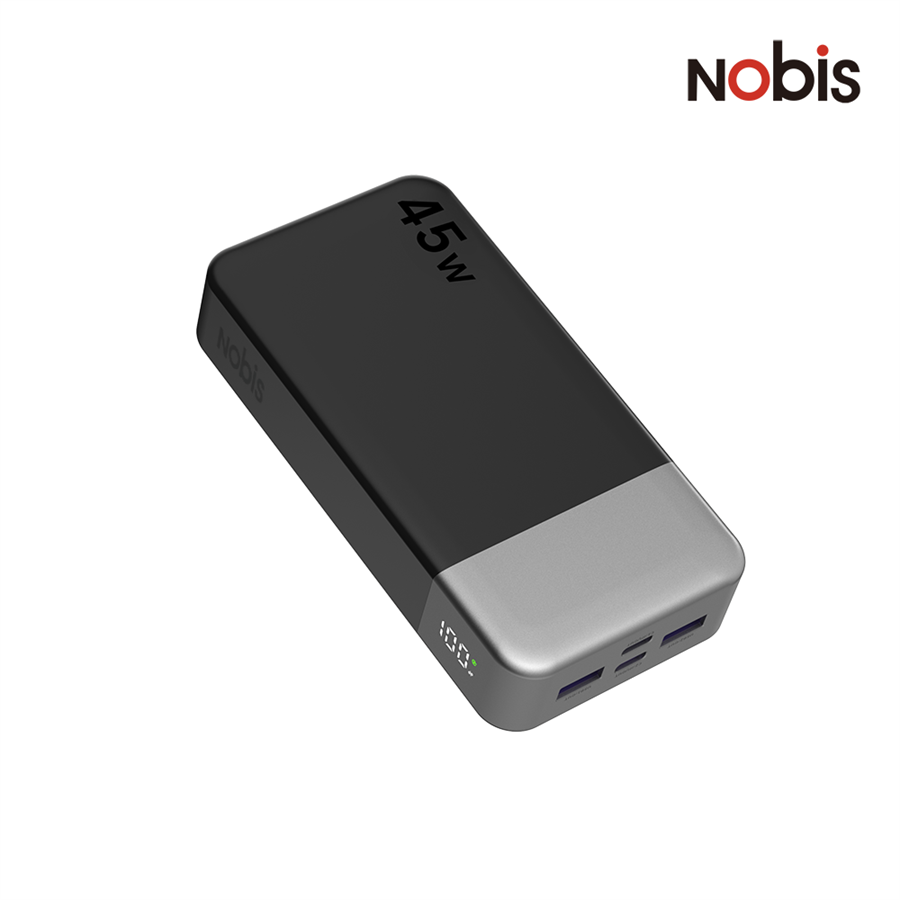 20000mAh Portable Charger High Capacity External Battery 45W PD 3.0 Fast Charging Travel Power Bank With Smart Digital Display And Trickle Mode For Mobile Phone, 2 USB-C And 2 USB-A Ports$38.99View on Mallflare
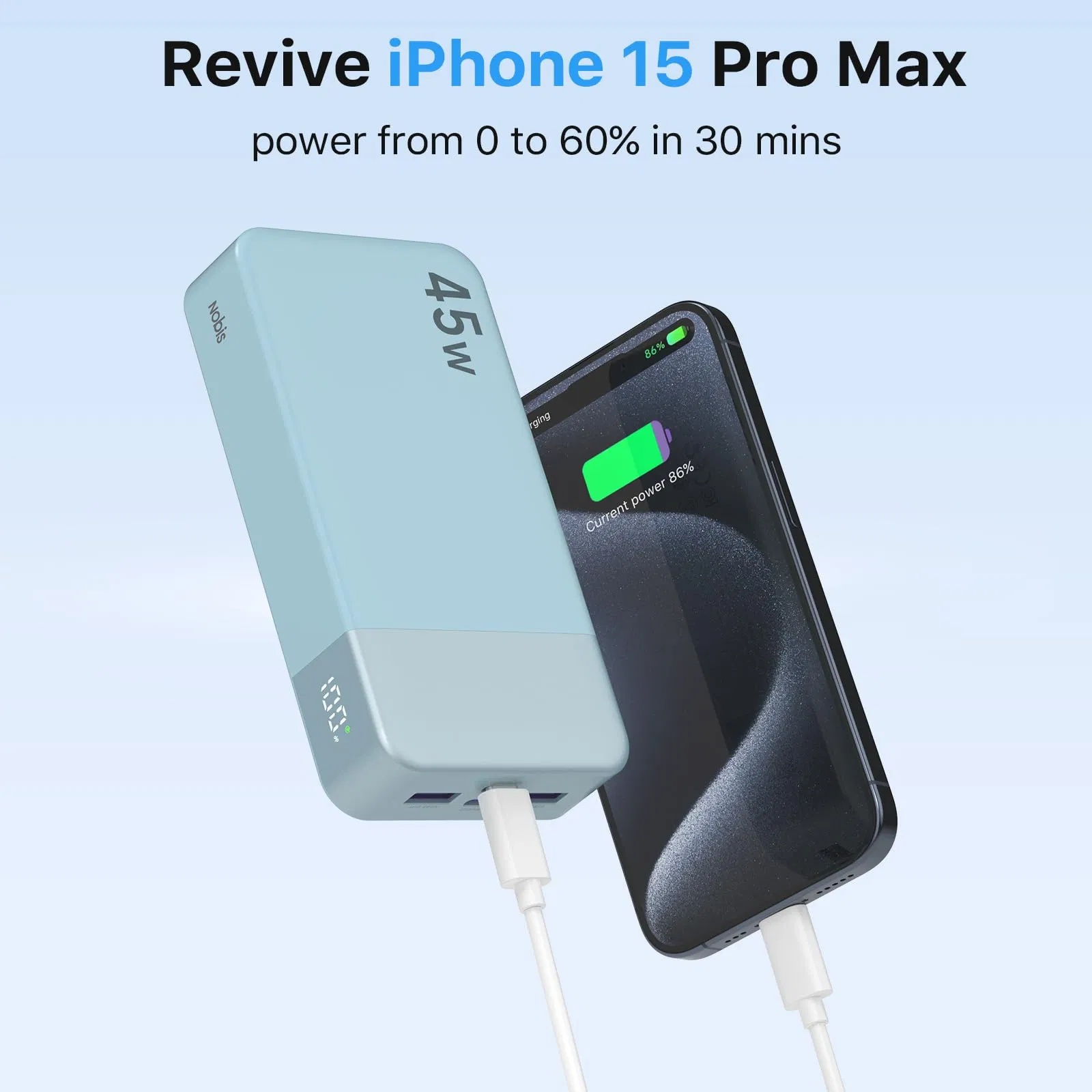 NOBIS 45W Fast Charging Power Bank 20000mAh Laotop Travel Essential Portable Cell Phone Charger With USB-C Input And Output$40.99View on Mallflare
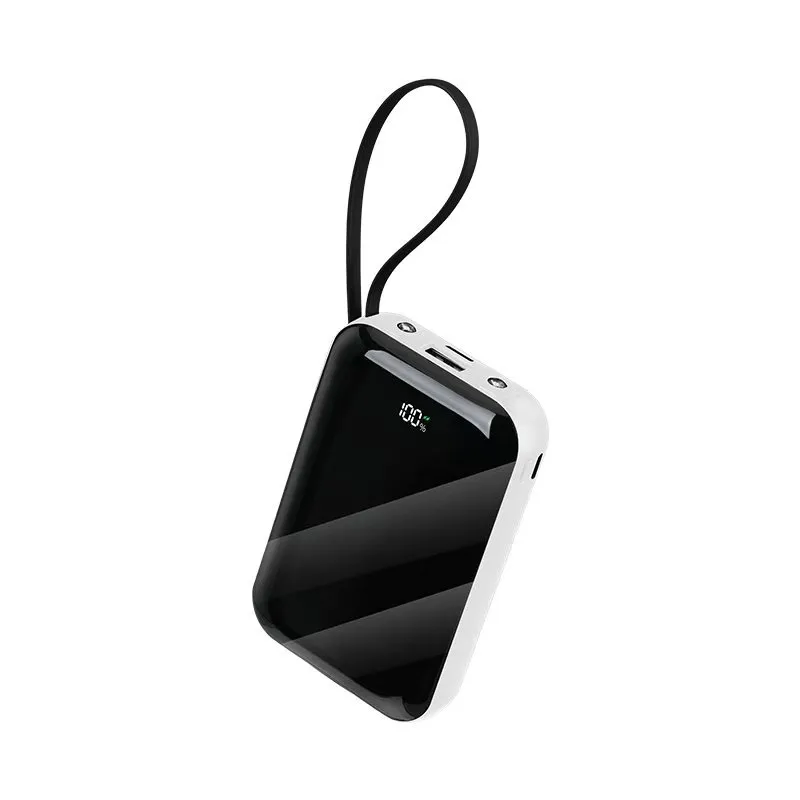 All-in-one charging companion, power bank. Suitable for multiple scenarios. Portable with capacities, fast wireless options. Strong safety protection, compatible. Essential$40.99View on Mallflare
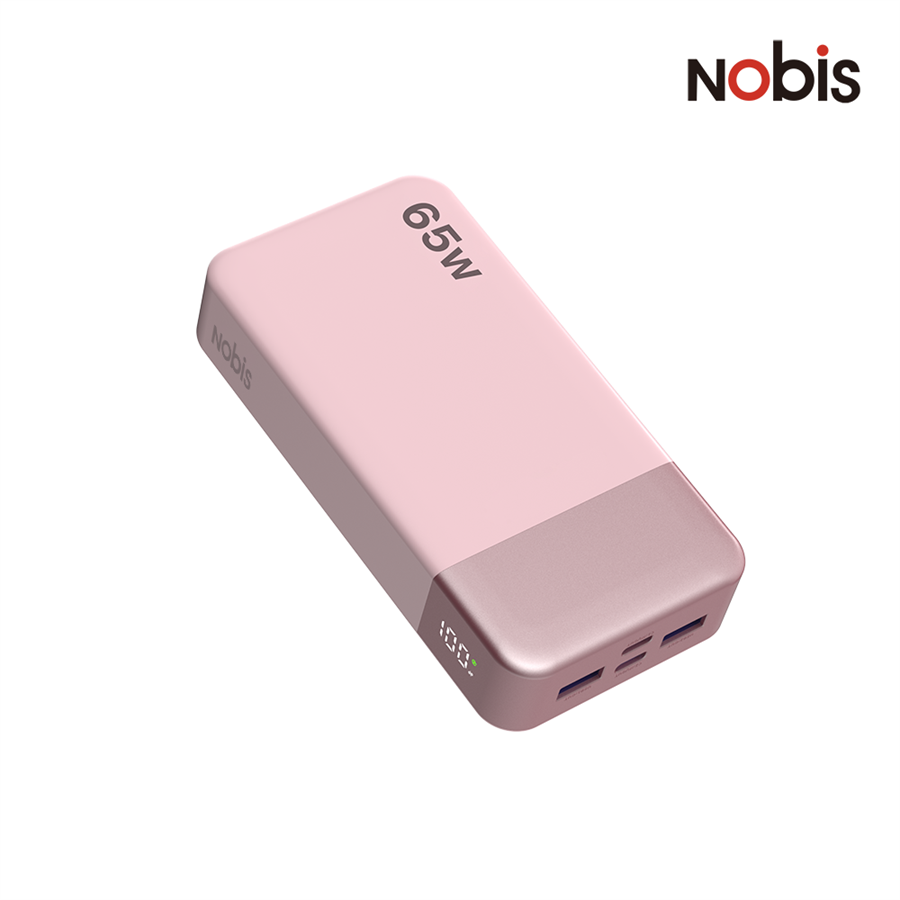 NOBIS 20000mAh Portable Charger High Capacity External Battery 65W PD 3.0 Fast Charging Travel Power Bank For Laptop And Mobile Phone, 2 USB-C And 2 USB-A Ports, Digital Display & Low-current Mode$42.99View on Mallflare
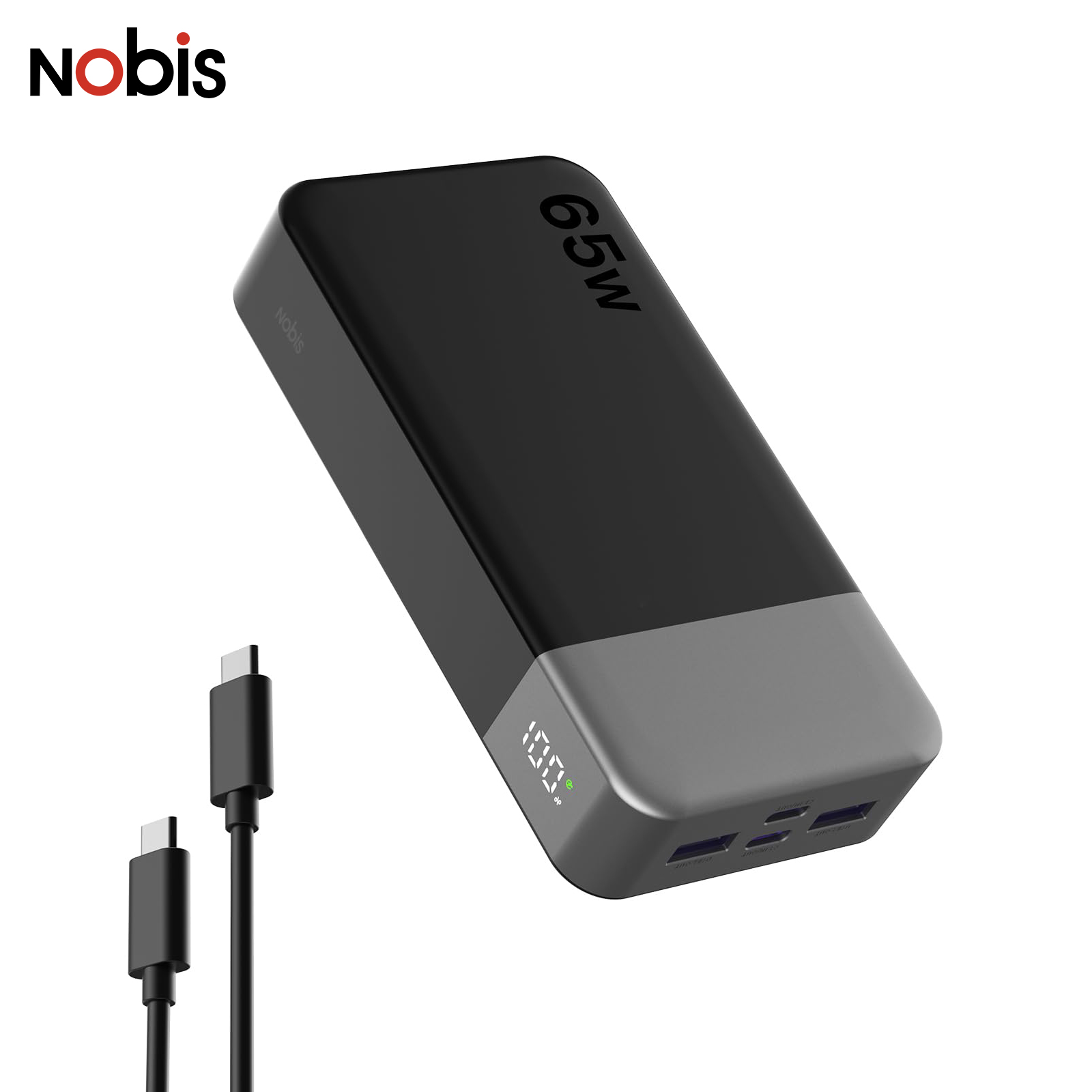 20000mAh 65W PD Portable Charger Power Bank, High Capacity USB C Fast Charging External Battery, Led Digital Display Support For Laptop, Cell Phones, Tablets$42.99View on Mallflare
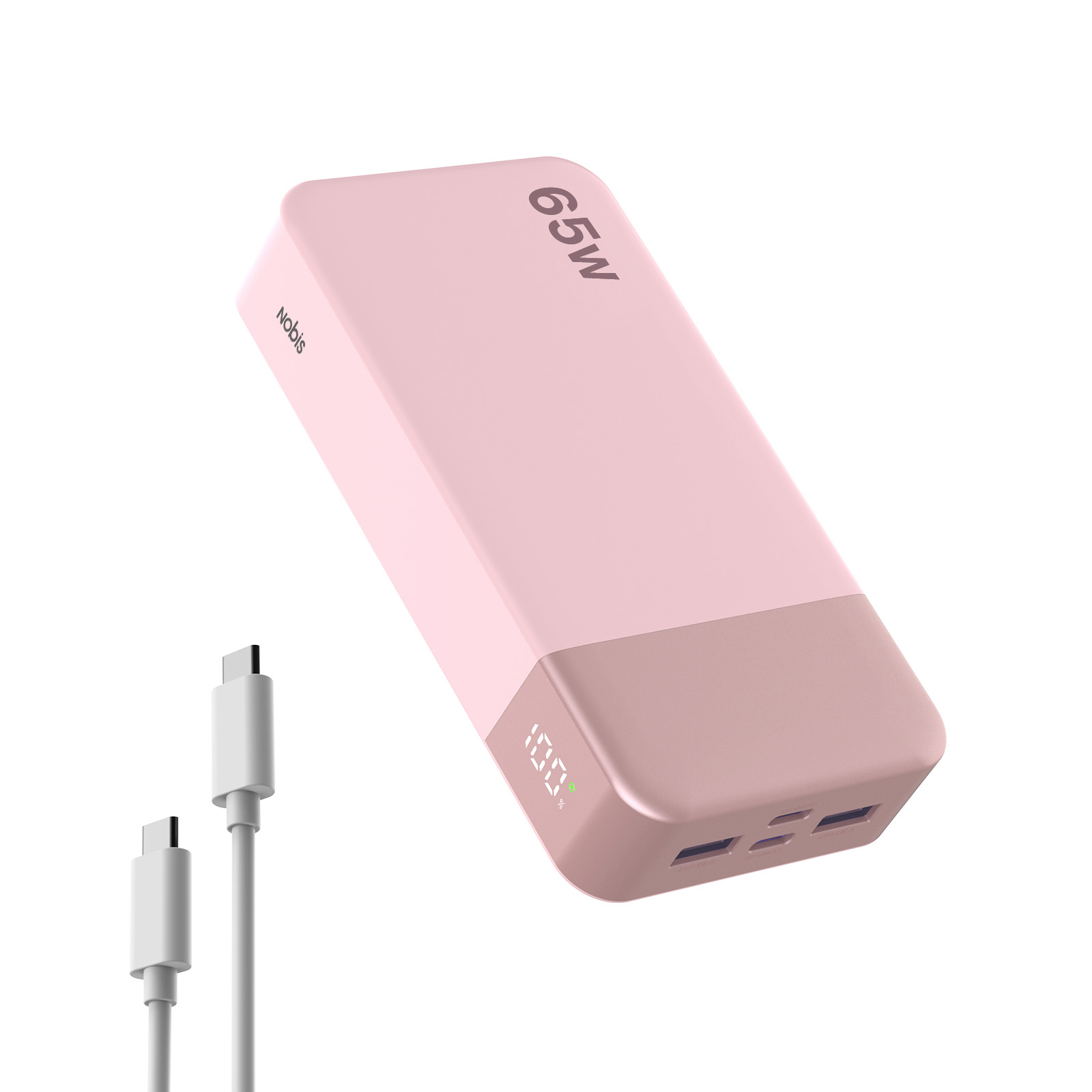 N Obis Portable Charger, 65W PD Fast Charging 20000mAh Type-C Small Compact Power Bank For Phone, Tablet, Laptop$42.99View on Mallflare
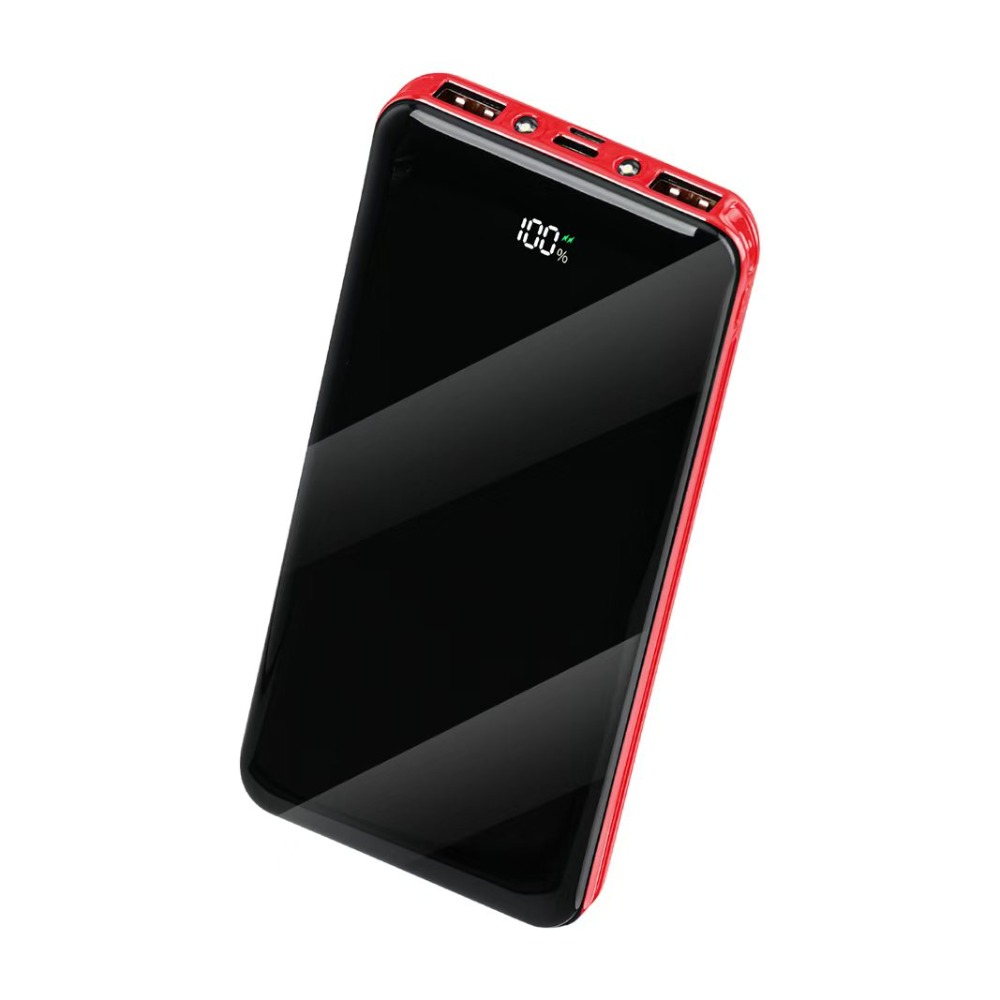 Power Bank$44.99View on Mallflare
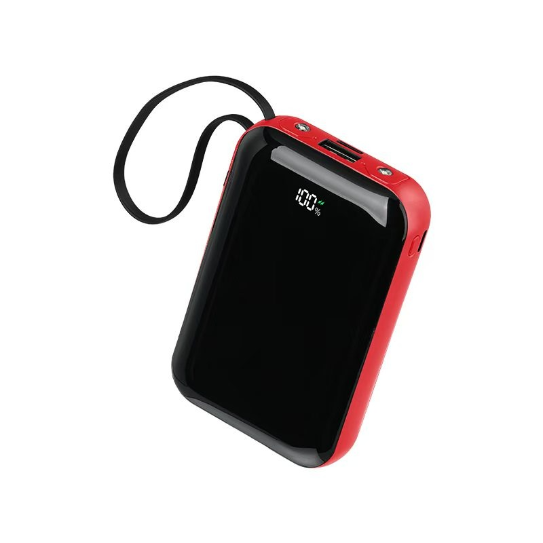 Universal Charging Companion Power Bank - Suitable For A Variety Of Scenarios, With Portability And Multiple Capacities, Fast And Wireless Are Optional$44.99View on Mallflare
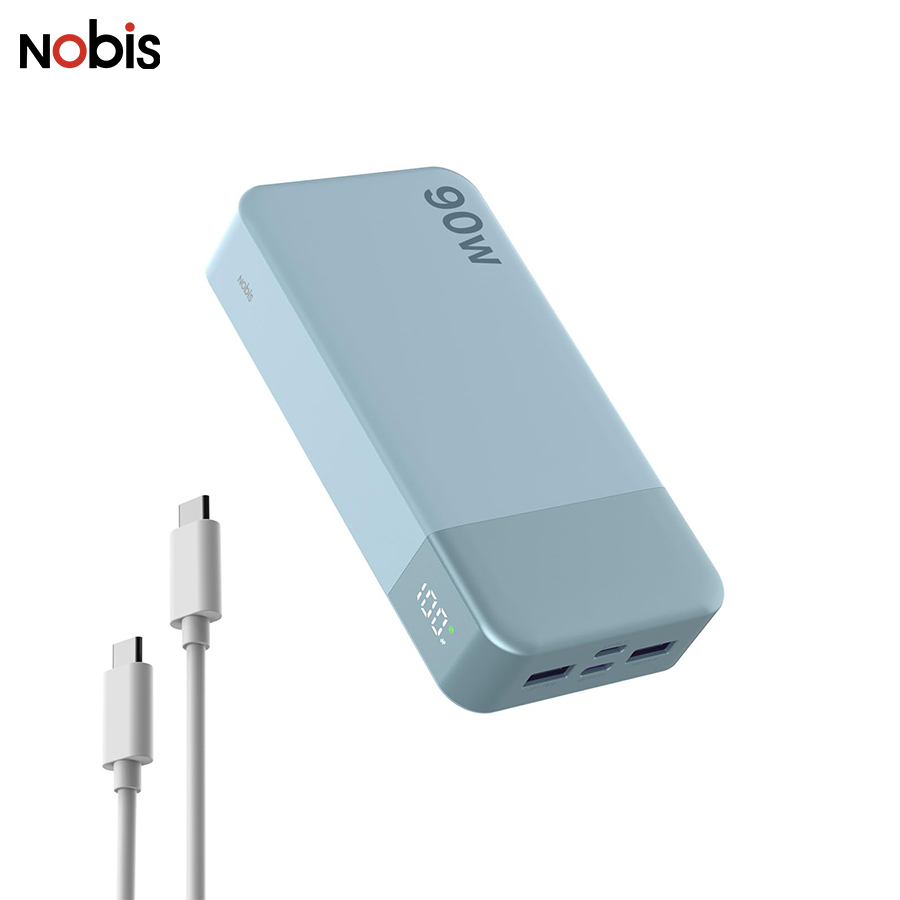 90W USB-C PD Fast Charging 20000mAh Large Capacity Portable Charger Power Bank, External Battery Pack With Digital LED Display, Support Charge Smartphone, Tablet, Laptop, Phone$46.99View on Mallflare
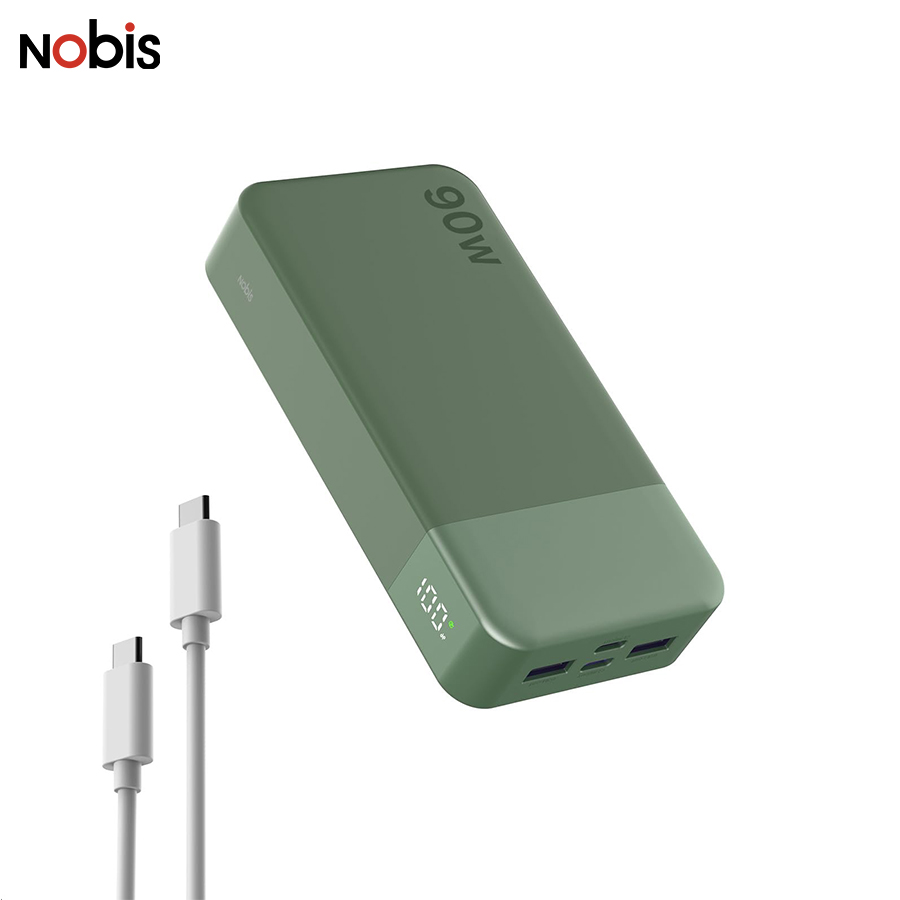 20000mAh Portable External Battery Pack Power Bank, 90W PD USB C High Speed Fast Charging Powerbank, Multi-Port Output For Simultaneous Smart Digital Display, For Laptops And Phones$46.99View on Mallflare
Highlights
- Pure sine wave AC output (<3% THD) is required for laptops, CPAP machines, and medical devices; modified sine wave can cause overheating or failure.
- Capacity is measured in watt-hours (Wh): 10,000mAh at 3.7V ≈ 37Wh, while 20,000mAh ≈ 74Wh—the FAA carry-on limit is 100Wh (most airlines).
- AC inverter continuous rating (W) determines what you can run: 100W handles laptops and fans, 200W+ needed for mini-fridges or power tools.
- USB-C PD 3.0 with PPS (Programmable Power Supply) enables 45W–100W fast charging for laptops and phones; older QC 3.0 tops out at 18W.
Best use cases
- Best fit: road warriors and remote workers—pick a 74Wh (20,000mAh) unit with 100W AC and 65W USB-C PD to charge a laptop and phone simultaneously.
- Best fit: camping and tailgating—choose 200Wh+ capacity with 200W pure sine AC and multiple USB ports for lights, fans, and small appliances.
- Wrong fit: daily phone-only commuters—a 5,000mAh mini power bank with 20W USB-C is lighter and cheaper; AC outlet adds unnecessary bulk.
- Wrong fit: powering high-draw appliances like heaters or full-size refrigerators—portable power stations (500Wh+) are required; compact outlet banks cannot sustain 500W+ loads.
Buying tips
- Calculate Wh: multiply mAh by nominal voltage (3.7V) and divide by 1000. For a 20,000mAh bank: 20,000 × 3.7 ÷ 1000 = 74Wh—under the 100Wh flight limit.
- Match AC inverter to device startup surge: motors and compressors draw 2–3× rated wattage; choose an inverter with continuous rating at least 1.5× your device's peak.
- Prioritize USB-C PD 3.1 (up to 140W) for future-proofing laptops; ensure at least one USB-C port supports both input and output for pass-through charging.
- Check cell chemistry: Li-ion (NMC) offers higher energy density; LiFePO4 (LFP) provides 2,000–5,000 cycles and better thermal stability but is heavier for the same capacity.
Specs
| AC Output | Pure sine wave, 100–300W continuous |
|---|---|
| Battery Capacity | 37–150Wh (10,000–40,000mAh) |
| USB-C PD | 65W–140W PD 3.0/3.1 with PPS |
| Cell Chemistry | Li-ion NMC vs LiFePO4 (LFP) |
Related searches
What to check before buying
- Measure your devices' wattage (label or manual) and sum continuous loads; add 20% headroom to select the AC inverter rating.
- Confirm airline policy: most carriers limit lithium batteries to 100Wh in carry-on; 100–160Wh requires airline approval—never check lithium batteries in luggage.
- Verify plug type and voltage: US models output 120V/60Hz; international travel requires a 100–240V input charger or a local plug adapter.
- Check physical dimensions and weight against your bag or carry pouch—outlet power banks typically weigh 1–3 lbs (0.5–1.4 kg) for 74–150Wh models.
FAQ
Data sources: eBay / Amazon listings and product attribute feeds. Updated Nov 29, 2026.
Some links on this page are affiliate links. If you buy after clicking one, we may earn a commission at no extra cost to you. This does not change which products appear here or their order. Affiliate disclosure.