
Photos from current listings. Actual item, color, and included accessories may vary.
Heavy Duty Power Bank Buying Guide
Heavy-duty power banks are high-capacity, high-output battery packs built for multi-day off-grid use, laptop/CPAP/tool charging, and emergency backup—not pocket top-ups. The core trade-off is energy density versus weight and cycle life: cheap units inflate mAh at 3.7V cell voltage while claiming 12V output, so usable watt-hours and honest inverter/efficiency ratings decide real performance. The clear rule: choose a bank with a stated watt-hour (Wh) capacity under 100Wh for carry-on legality, LiFePO4 cells for 2,000+ cycles, and at least one 60W+ USB-C PD or pure-sine AC outlet matched to your device's draw.
Median $42.99
Key takeaways
- Watt-hours, not mAh, define true capacity: 100Wh is the FAA carry-on limit without airline approval; 160Wh requires approval; above 160Wh is forbidden.
- LiFePO4 cells deliver 2,000-5,000 charge cycles versus 300-800 for Li-ion NMC, making them the durability tier for daily or emergency cycling.
- AC output quality separates tiers: pure sine wave (≤3% THD) safely runs CPAPs, laptops, and motors; modified sine wave can overheat or damage sensitive electronics.
At a glance
- Category
- Chargers, Power Banks & Adapters
- Last updated
- Nov 29, 2026
Current offers
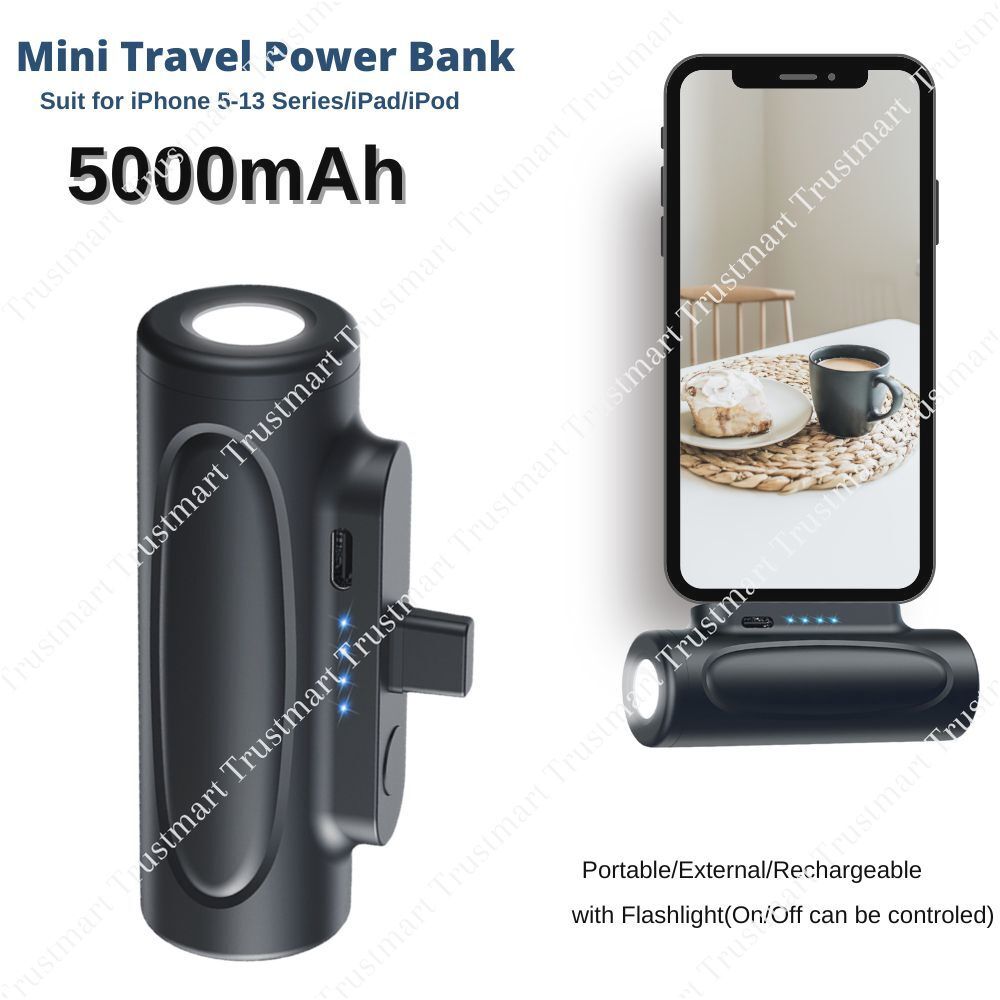 5000mAh Ultra-Small Battery Charger Travel Power Bank For Apple iPhone 14 13 12$14.33View on eBay
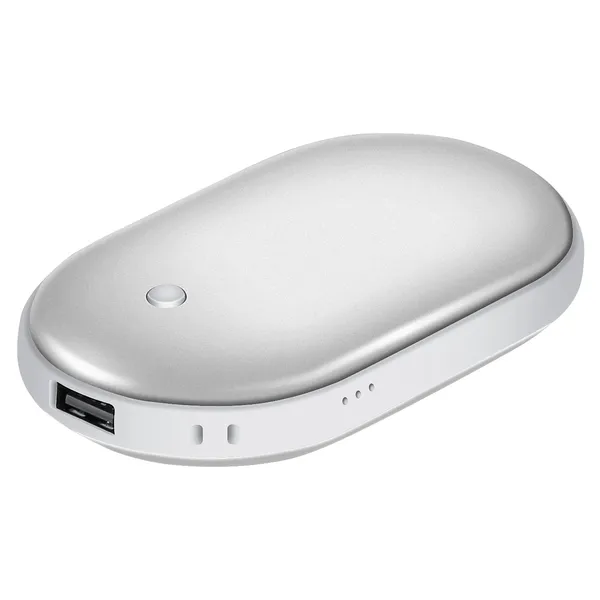 Portable Hand Warmer 5000mAh Power Bank Rechargeable Pocket Double-Sided Heating Handwarmer$24.99View on Mallflare
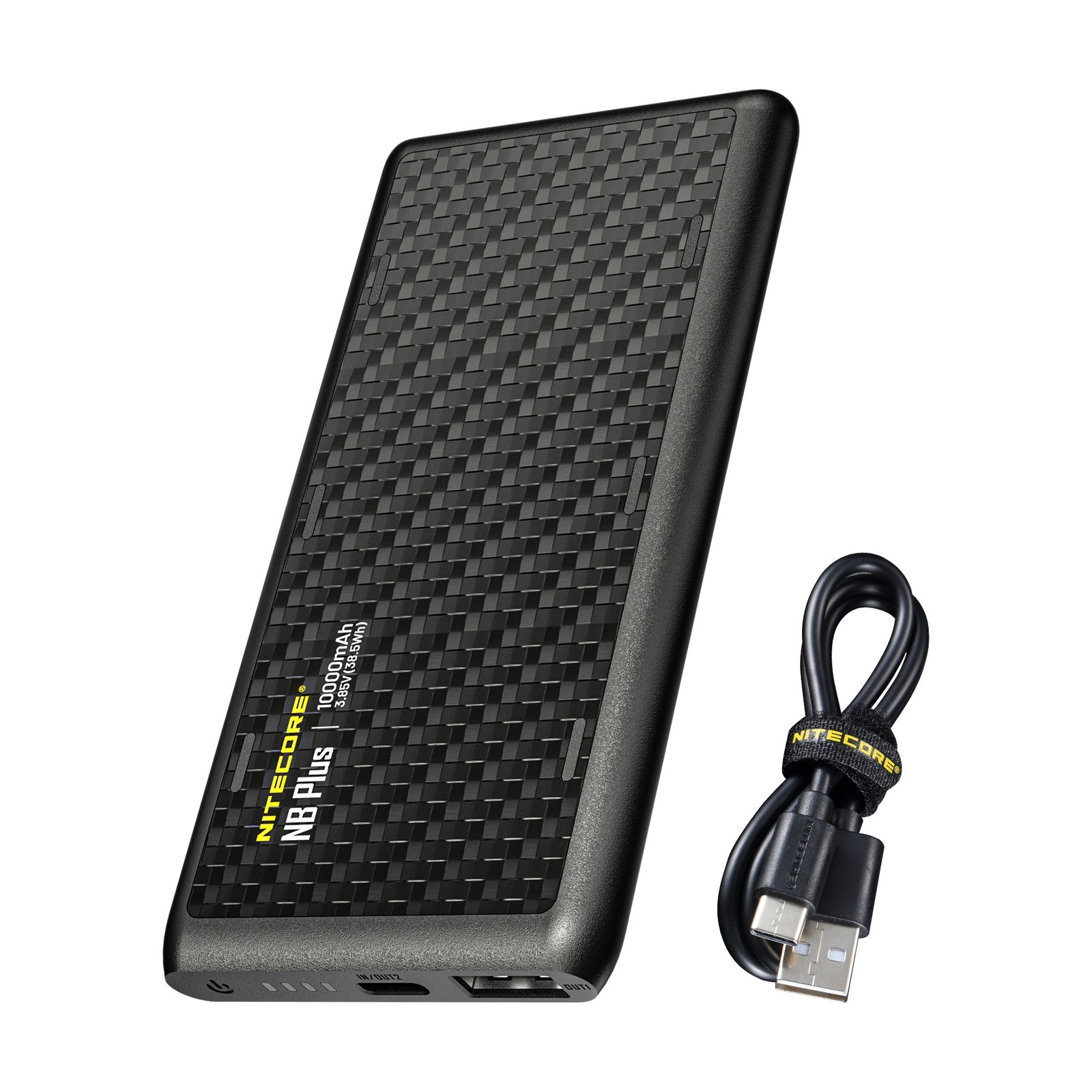 Nitecore NB Plus 10,000mAh Lightweight Power Bank$59.95Last checked Nov 19, 2026View on eBay
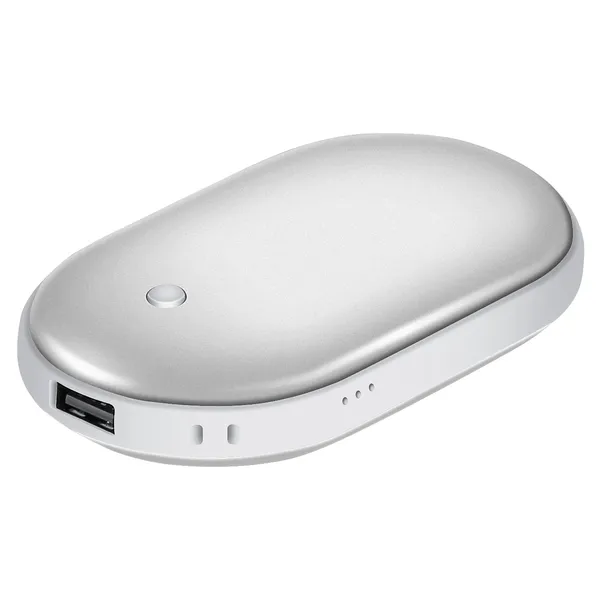 Portable Hand Warmer 5000mAh Power Bank Rechargeable$24.99View on Mallflare
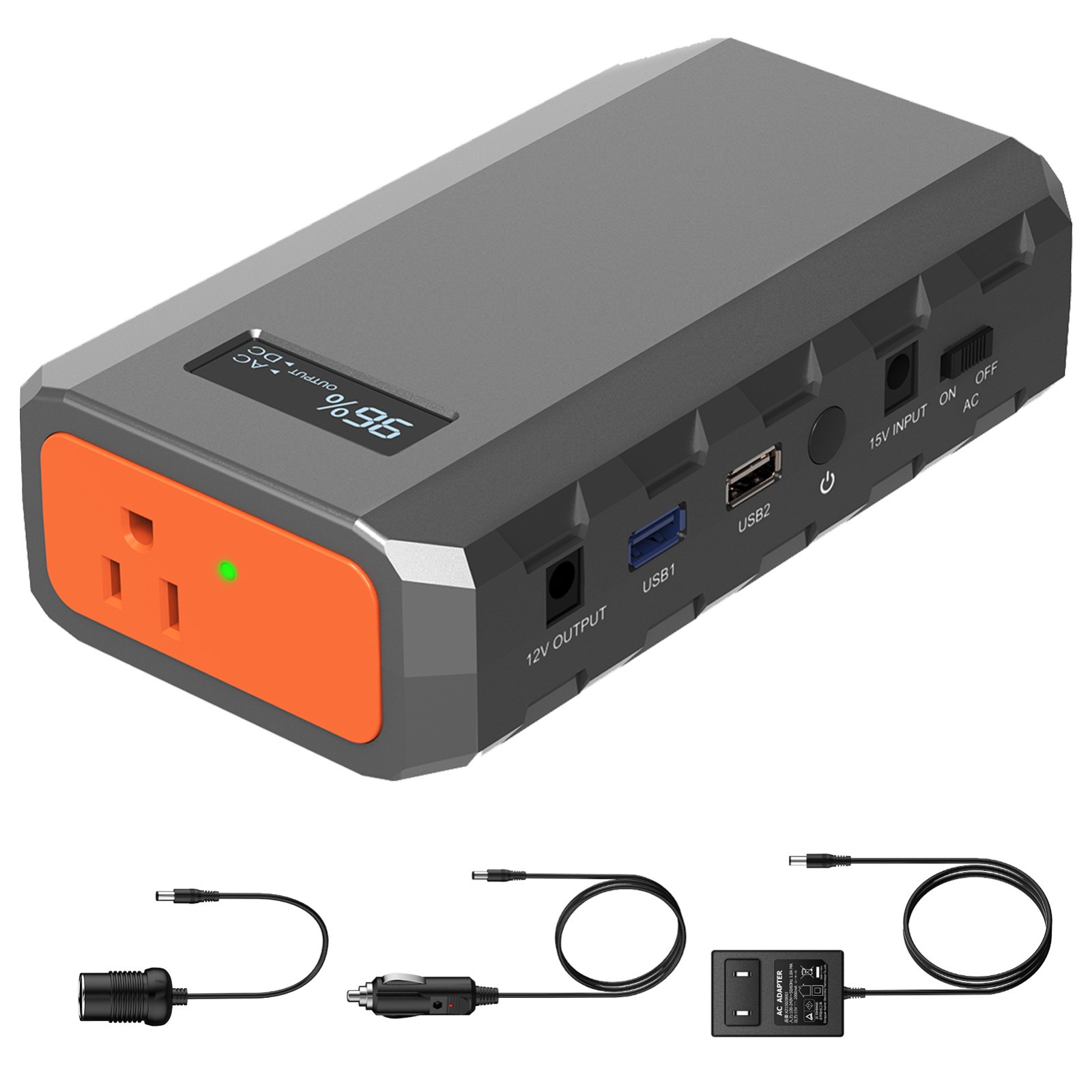 65W 88.8Wh Portable Power Bank for Home Travel Outdoor Backup USB Fast Charger$59.99View on eBay
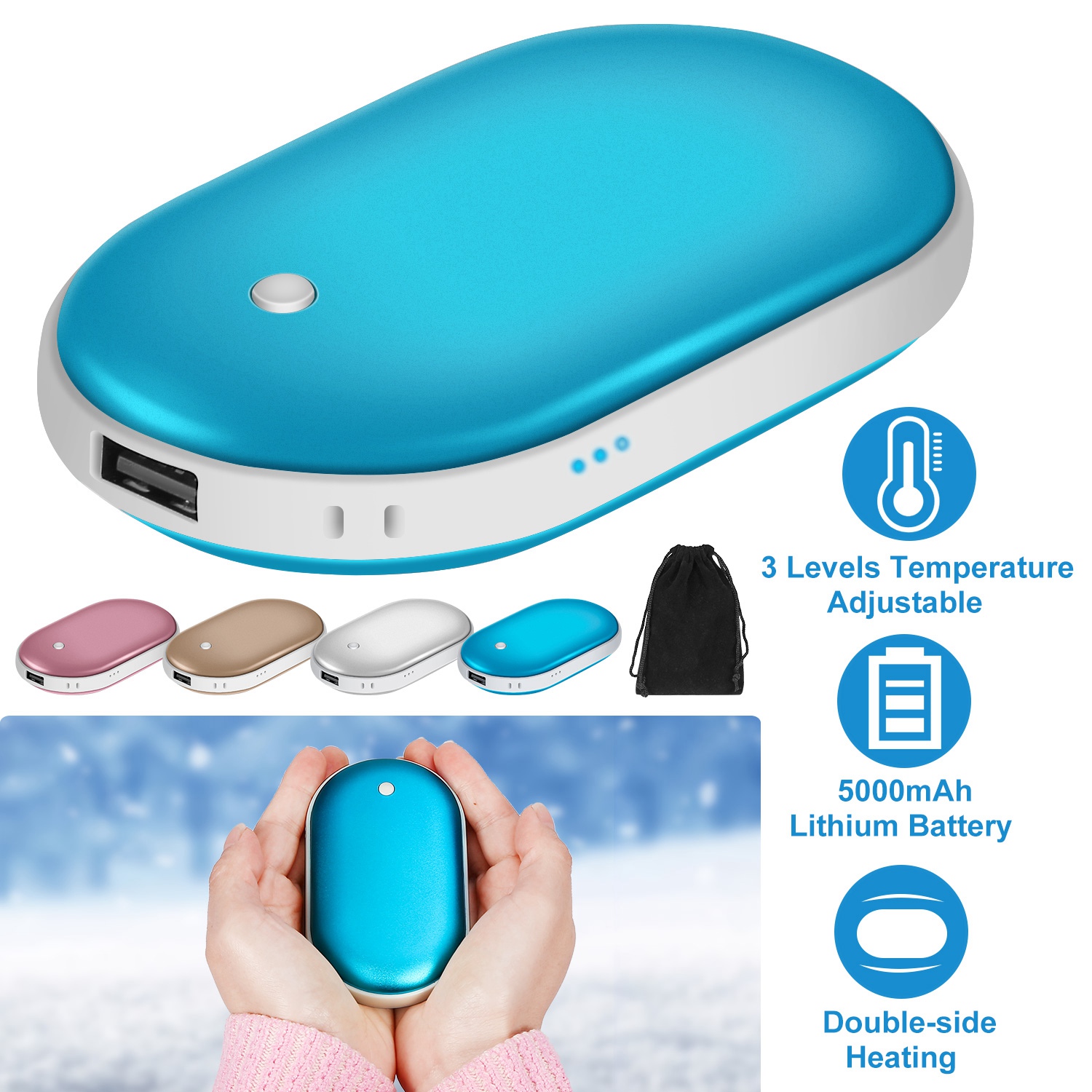 1Pc Portable Hand Warmer 5000mAh Power Bank Rechargeable Pocket Double-Sided Heating Handwarmer$25.99View on Mallflare
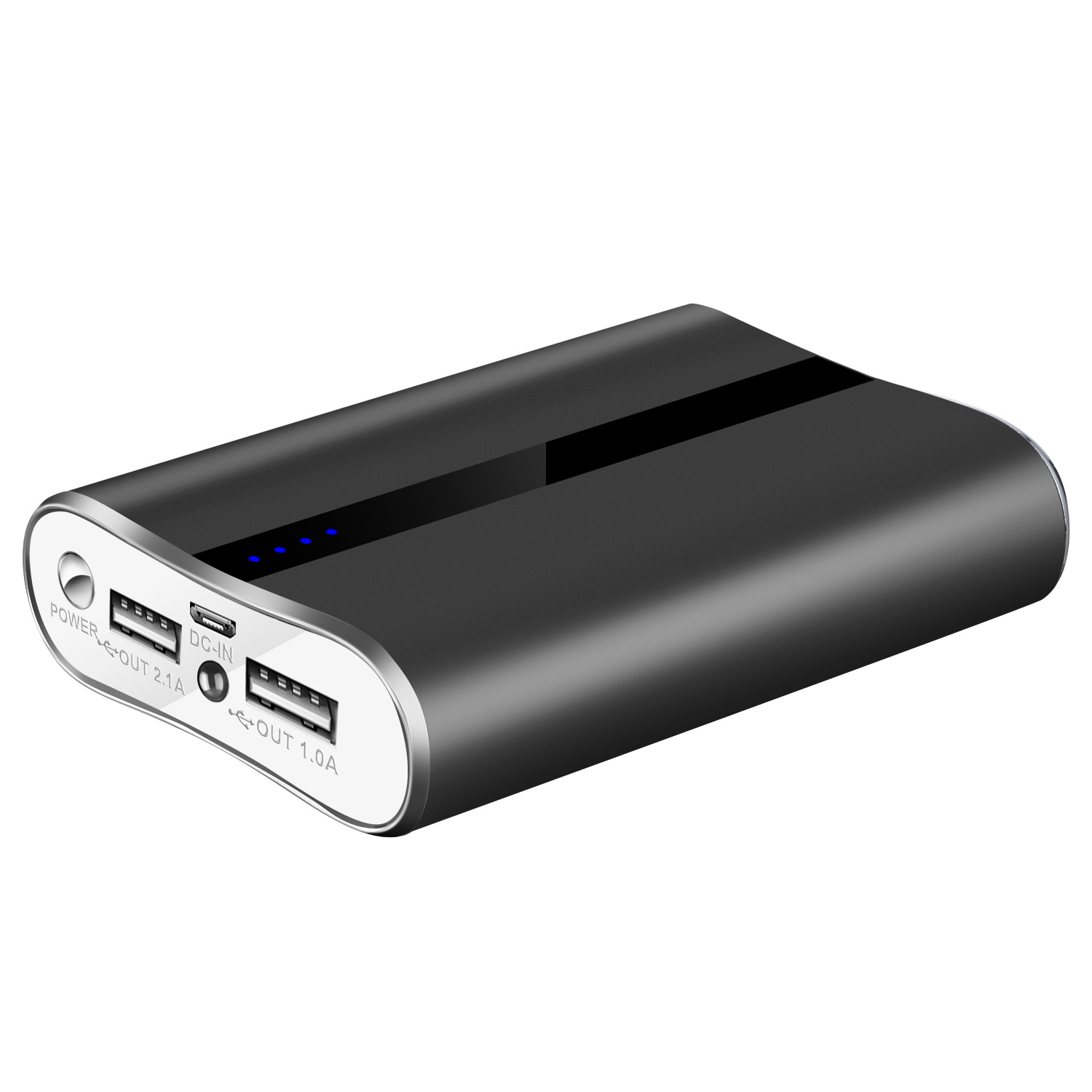 1Pc 12000mAh Portable Charger With Dual USB 3.1A Output Power Bank Ultra-Compact External Battery Pack Fast Charging$38.99View on Mallflare
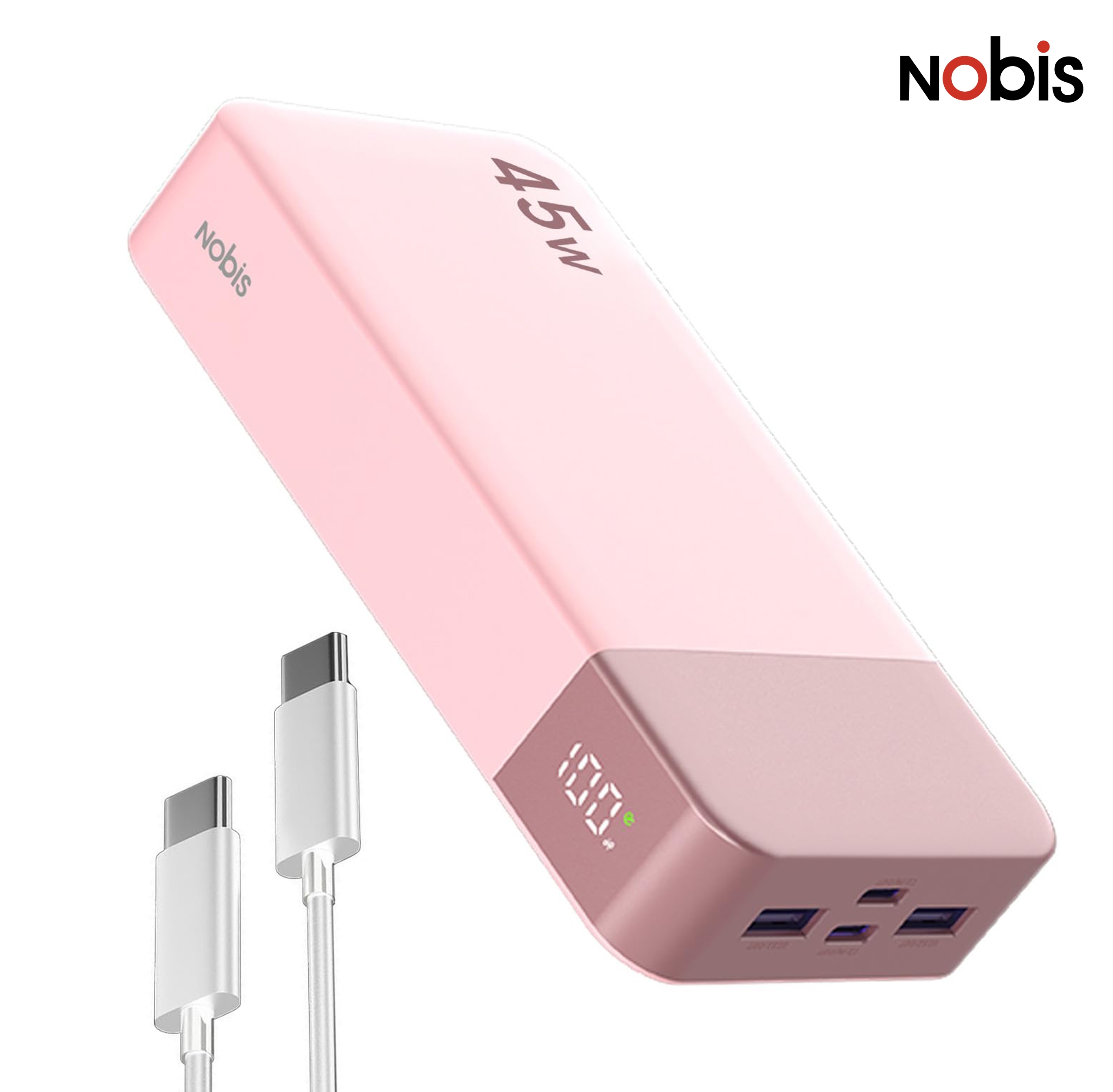 20000mAh Power Bank 45W PD USB-C Fast Charging Portable Charger, Multi Port Output Travel Large Capacity External Battery With Digital LED Display, Compatible Phone And Other USB Enabled Devices$38.99View on Mallflare
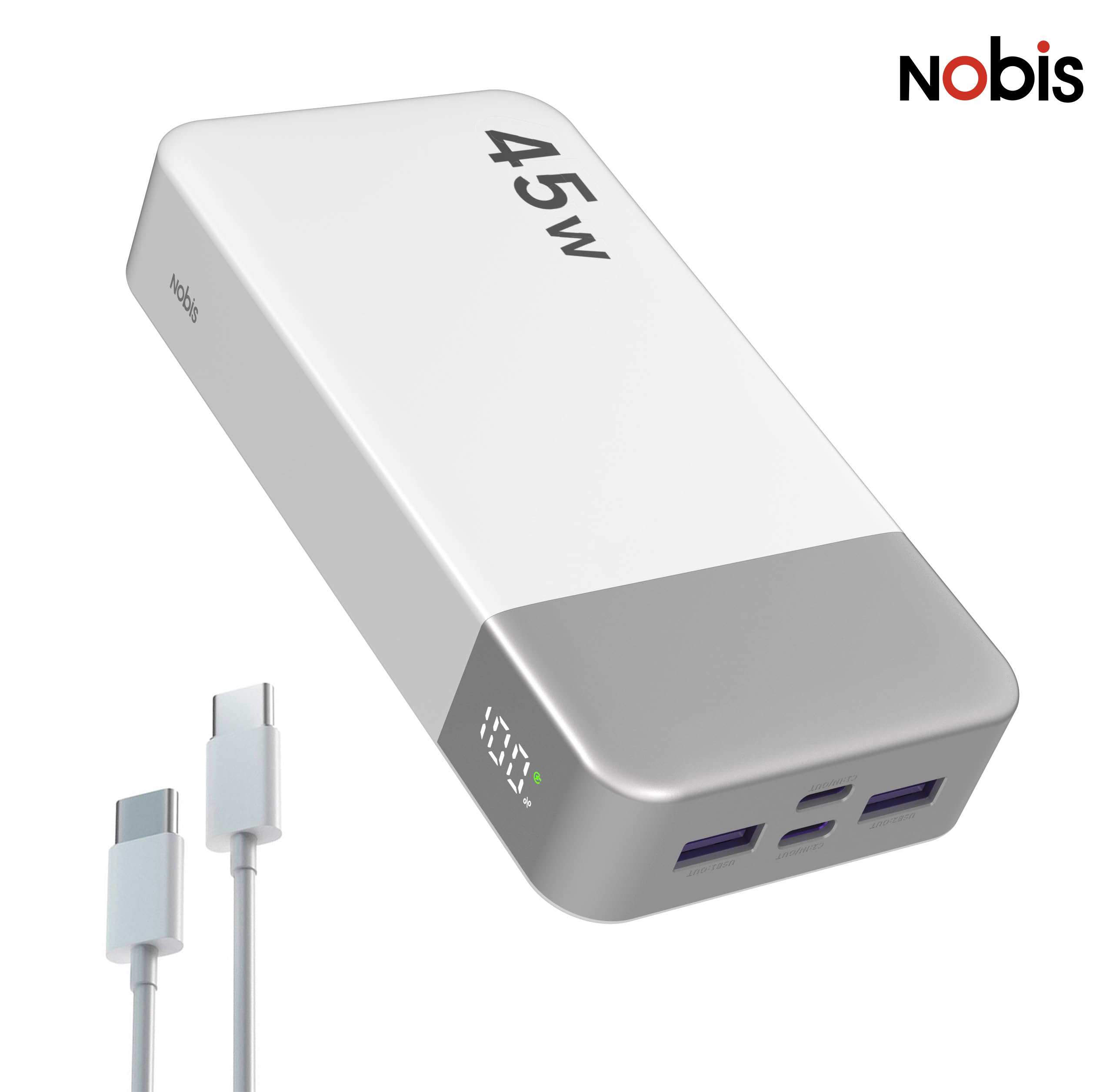 20000mAh Power Bank, 45W PD 3.0 Fast Charging Compact Travel Portable Charger External Battery With Smart Digital Display, Trickle Mode, Wide Compatibility For Smartphones, Tablets$38.99View on Mallflare
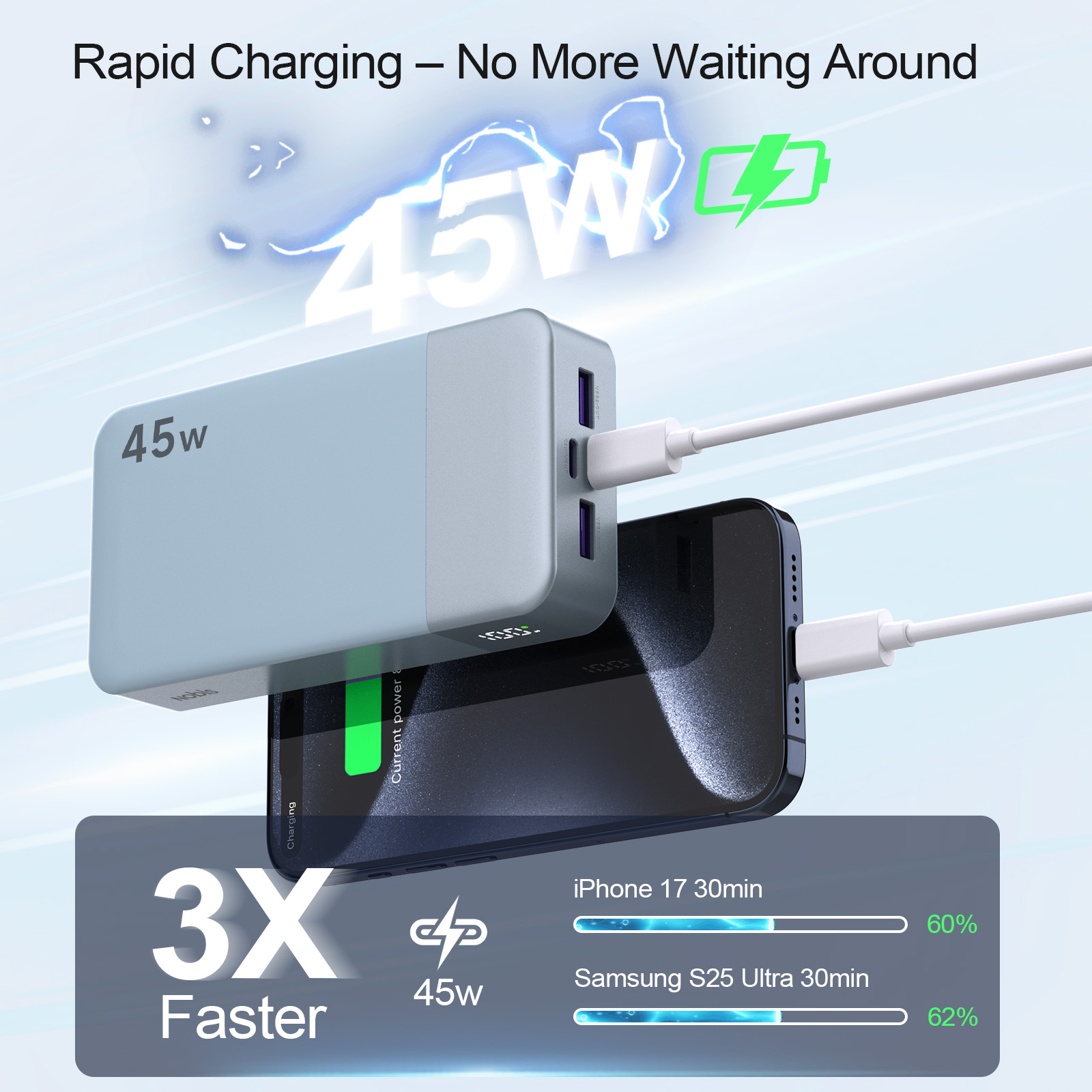 N OBIS 45W Fast Charging Power Bank 20000mAh Laotop Travel Essential Portable Cell Phone Charger With USB-C Input And Output$38.99View on Mallflare
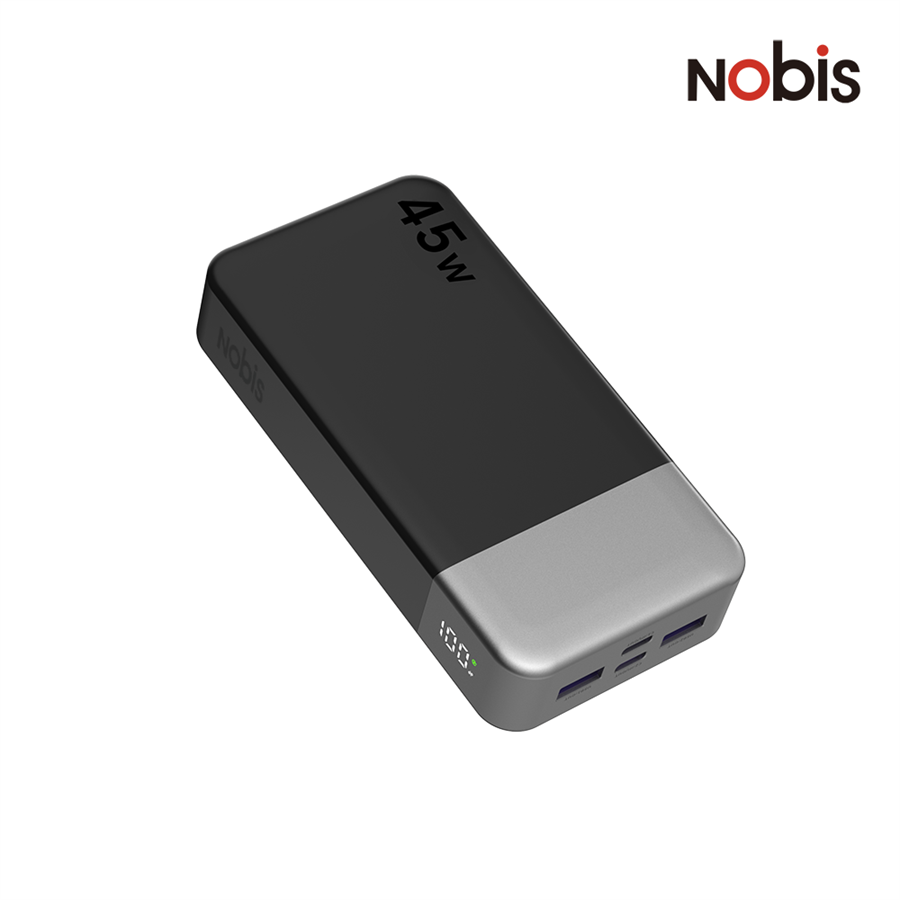 20000mAh Portable Charger High Capacity External Battery 45W PD 3.0 Fast Charging Travel Power Bank With Smart Digital Display And Trickle Mode For Mobile Phone, 2 USB-C And 2 USB-A Ports$38.99View on Mallflare
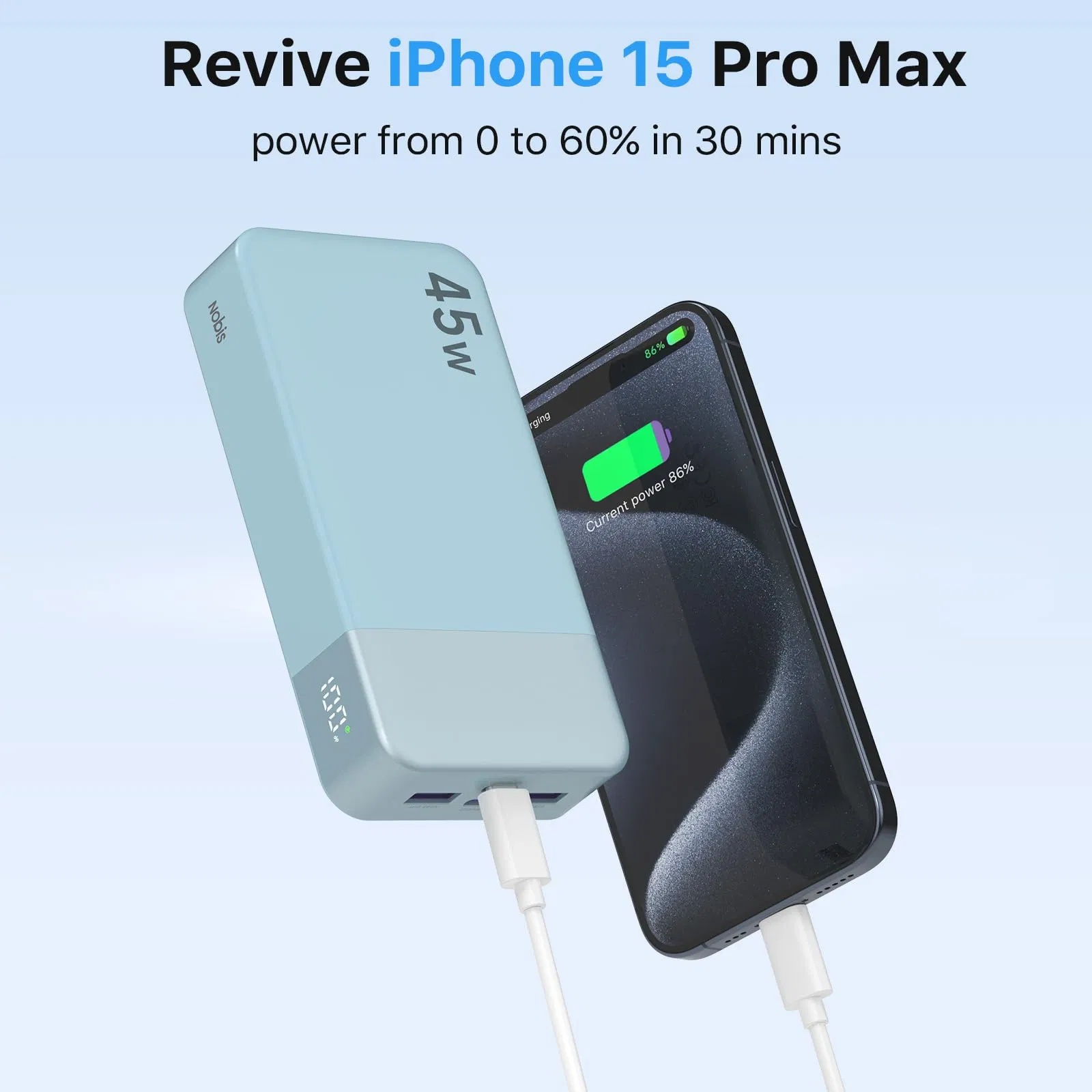 NOBIS 45W Fast Charging Power Bank 20000mAh Laotop Travel Essential Portable Cell Phone Charger With USB-C Input And Output$40.99View on Mallflare
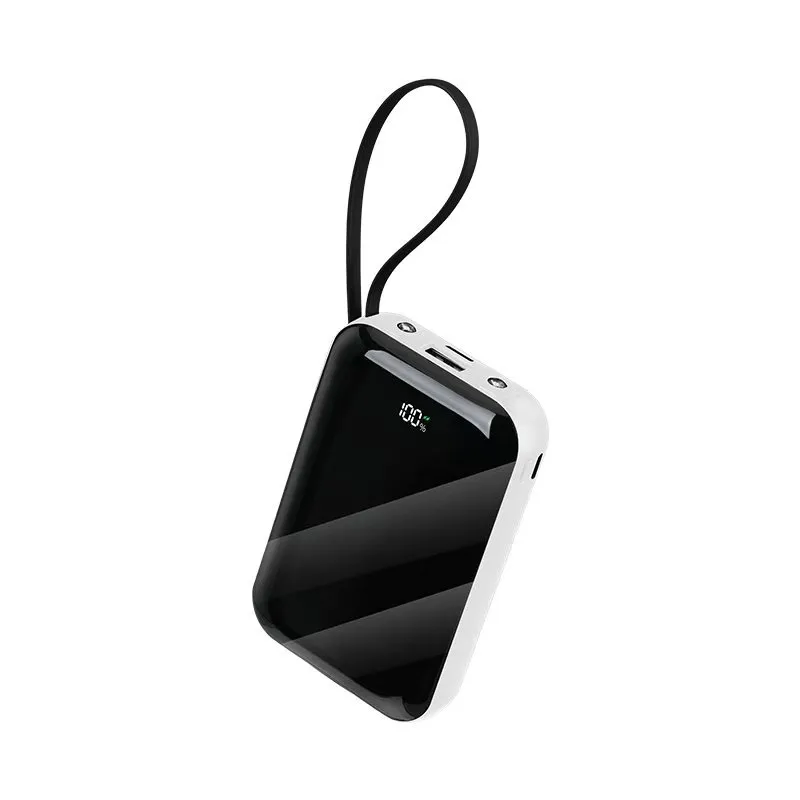 All-in-one charging companion, power bank. Suitable for multiple scenarios. Portable with capacities, fast wireless options. Strong safety protection, compatible. Essential$40.99View on Mallflare
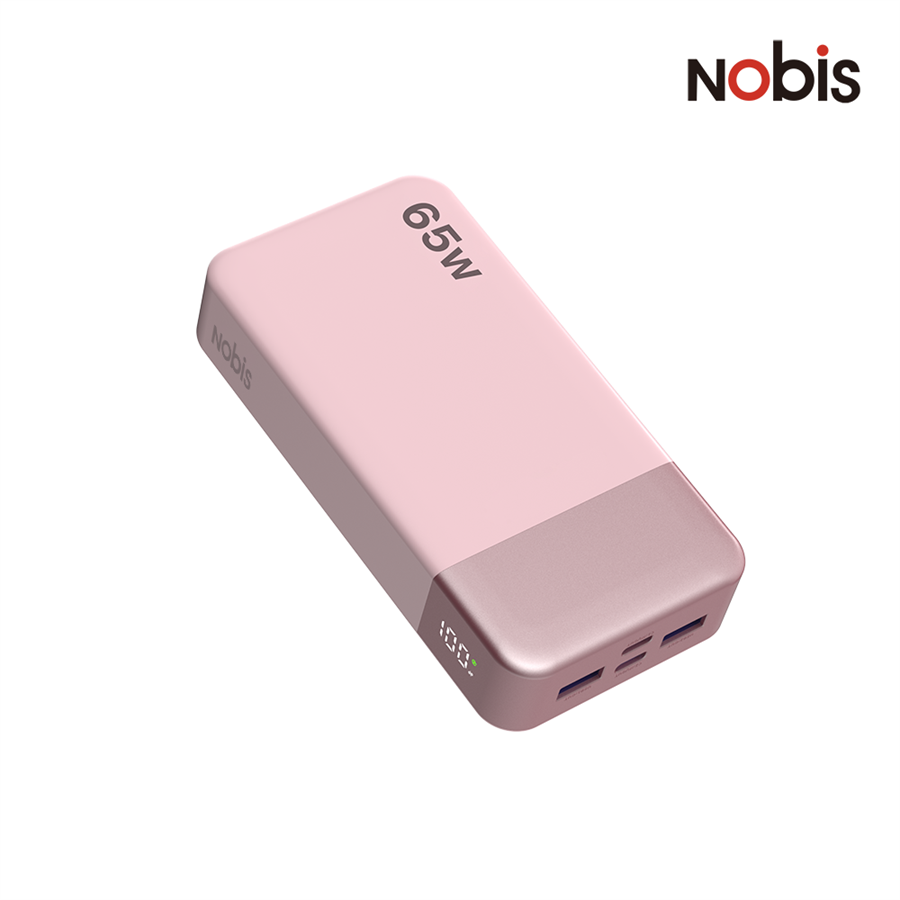 NOBIS 20000mAh Portable Charger High Capacity External Battery 65W PD 3.0 Fast Charging Travel Power Bank For Laptop And Mobile Phone, 2 USB-C And 2 USB-A Ports, Digital Display & Low-current Mode$42.99View on Mallflare
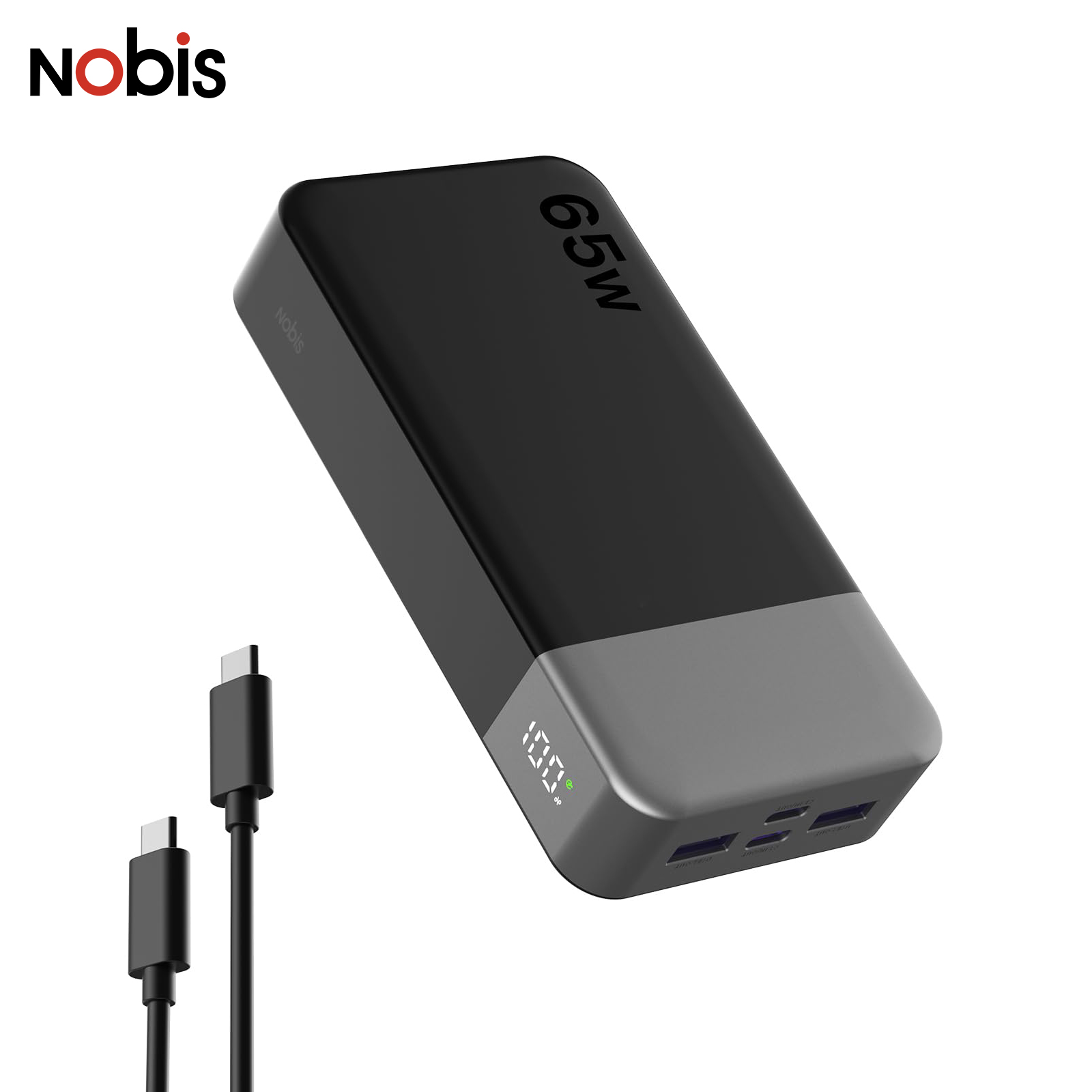 20000mAh 65W PD Portable Charger Power Bank, High Capacity USB C Fast Charging External Battery, Led Digital Display Support For Laptop, Cell Phones, Tablets$42.99View on Mallflare
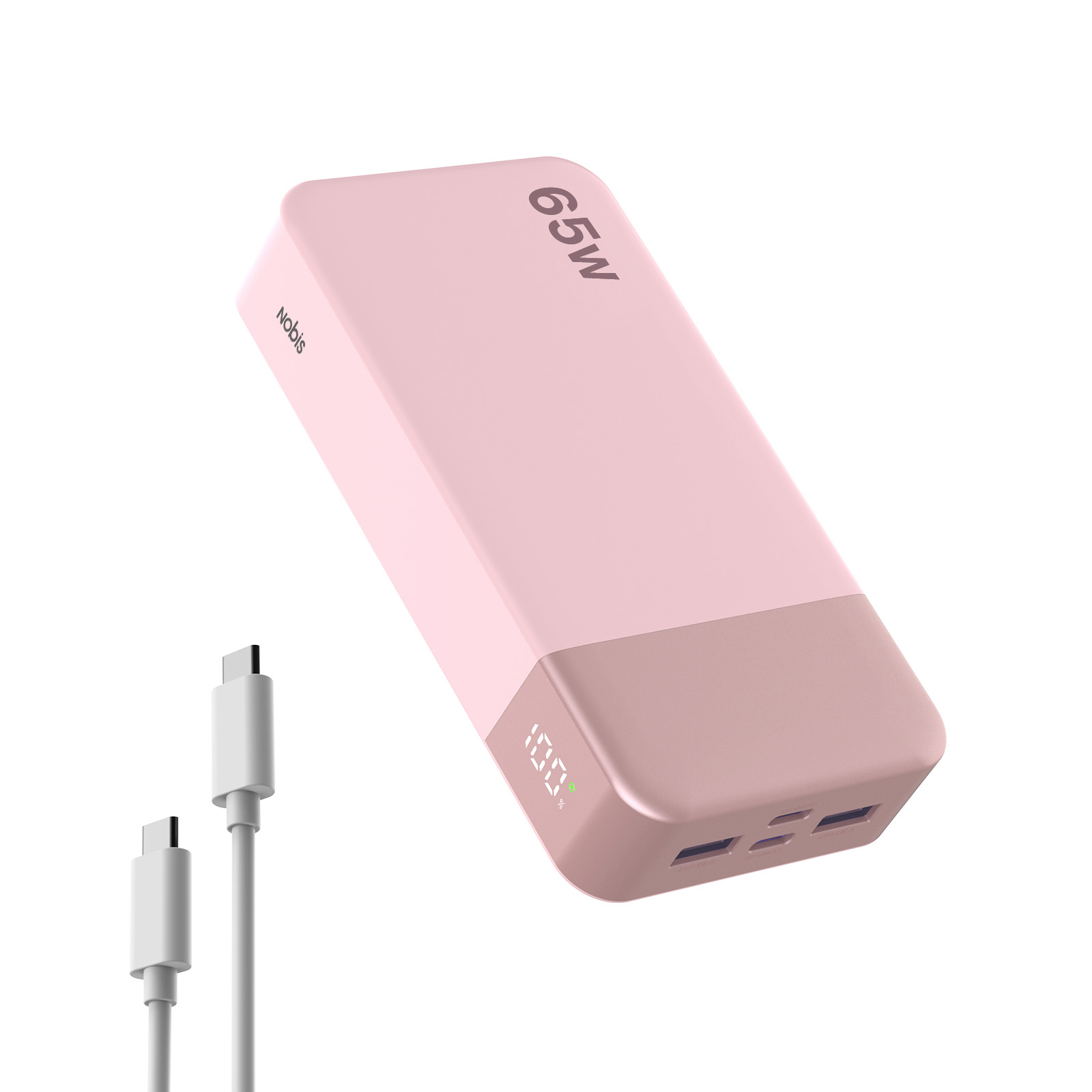 N Obis Portable Charger, 65W PD Fast Charging 20000mAh Type-C Small Compact Power Bank For Phone, Tablet, Laptop$42.99View on Mallflare
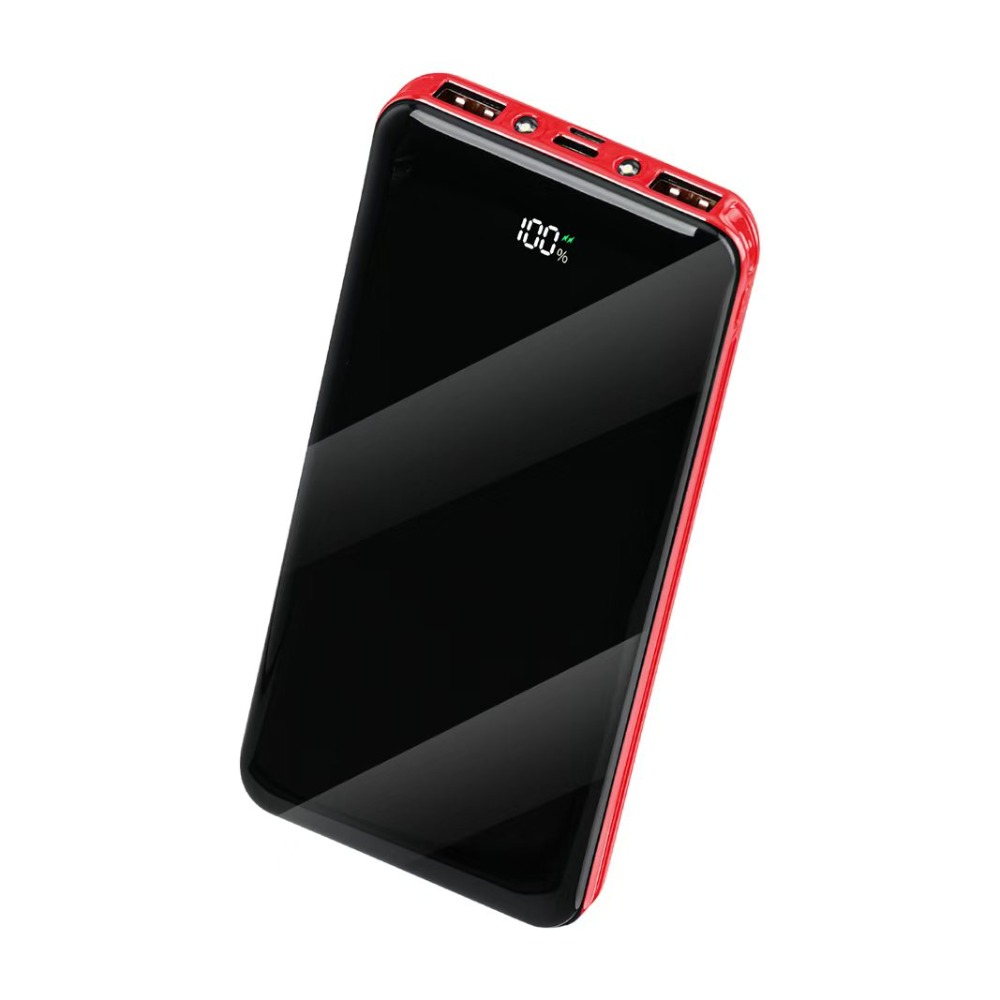 Power Bank$44.99View on Mallflare
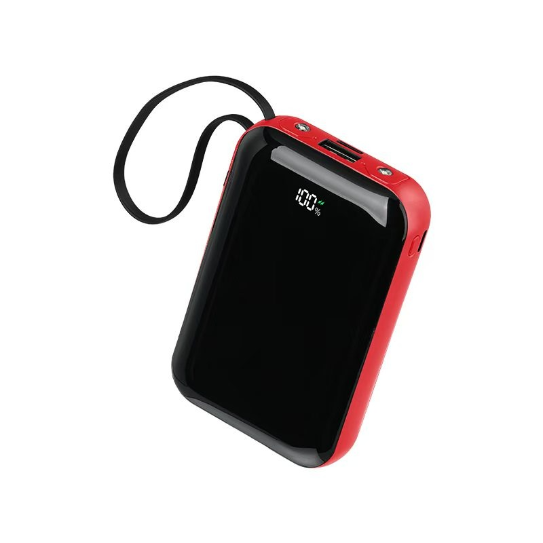 Universal Charging Companion Power Bank - Suitable For A Variety Of Scenarios, With Portability And Multiple Capacities, Fast And Wireless Are Optional$44.99View on Mallflare
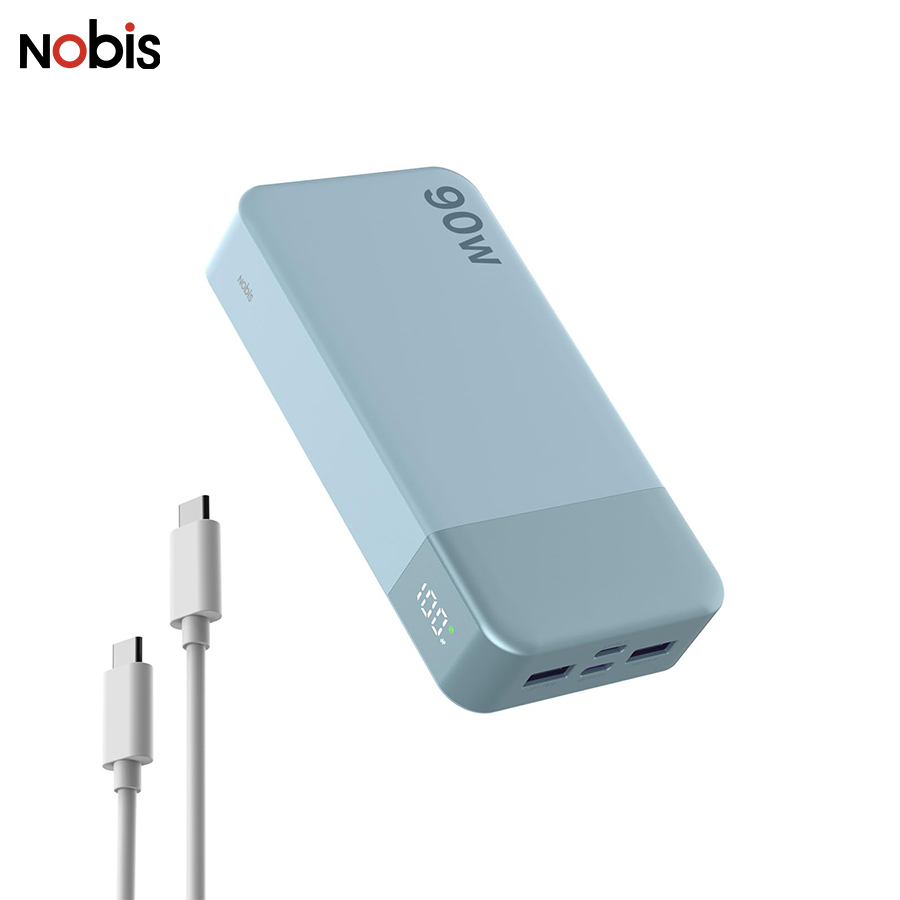 90W USB-C PD Fast Charging 20000mAh Large Capacity Portable Charger Power Bank, External Battery Pack With Digital LED Display, Support Charge Smartphone, Tablet, Laptop, Phone$46.99View on Mallflare
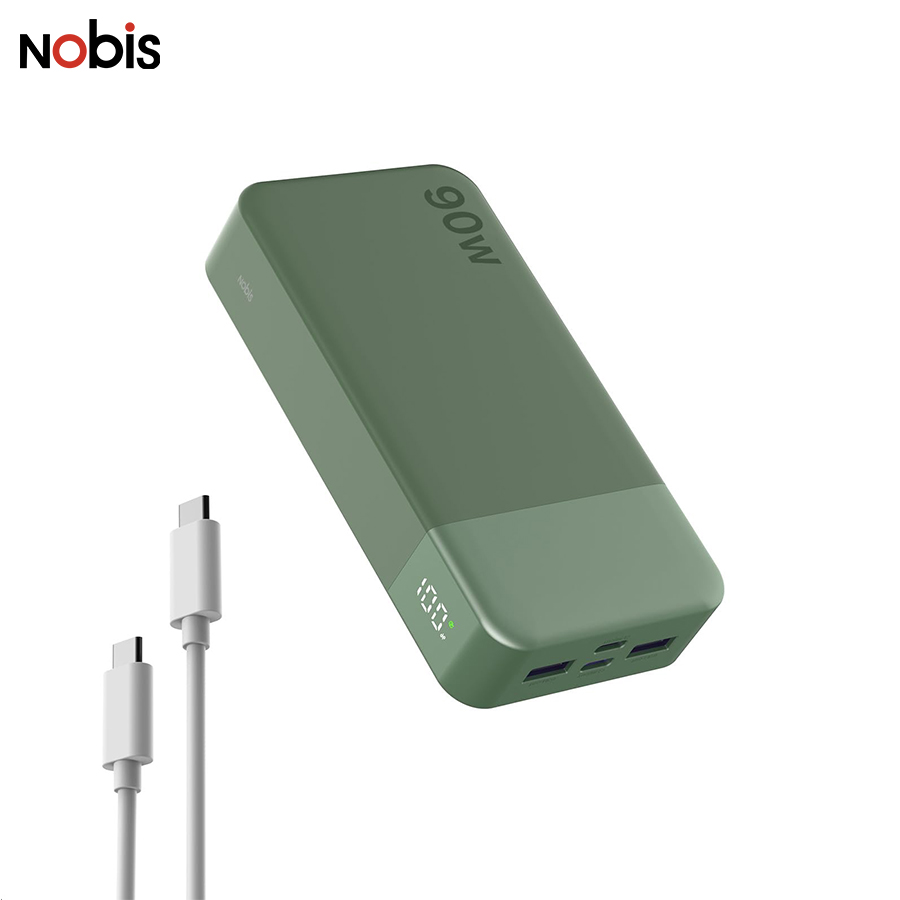 20000mAh Portable External Battery Pack Power Bank, 90W PD USB C High Speed Fast Charging Powerbank, Multi-Port Output For Simultaneous Smart Digital Display, For Laptops And Phones$46.99View on Mallflare
Highlights
- Watt-hours, not mAh, define true capacity: 100Wh is the FAA carry-on limit without airline approval; 160Wh requires approval; above 160Wh is forbidden.
- LiFePO4 cells deliver 2,000-5,000 charge cycles versus 300-800 for Li-ion NMC, making them the durability tier for daily or emergency cycling.
- AC output quality separates tiers: pure sine wave (≤3% THD) safely runs CPAPs, laptops, and motors; modified sine wave can overheat or damage sensitive electronics.
- Output ceiling determines device fit: 45-65W USB-C PD handles laptops, 100-140W handles larger laptops and drones, while 300W+ AC inverts power tools and appliances.
Best use cases
- Best fit for laptop-and-phone travel: pick a 90-100Wh Li-ion bank with 65W USB-C PD and dual 18W USB-A ports; skip 20,000mAh (74Wh) units if you need a full laptop charge plus phone top-ups.
- Best fit for CPAP or medical backup: choose a 100-160Wh LiFePO4 unit with pure-sine AC and a 12V DC outlet rated for continuous 60-100W draw; skip modified-sine budget packs and any bank lacking a regulated 12V car socket.
- Best fit for power tools and job sites: select a 300W+ pure-sine AC bank with 100-140W USB-C PD and a built-in handle; skip sub-200Wh pocket banks that cannot surge-start compressors or saws.
- Wrong fit across all scenarios: banks advertising 'mAh' without Wh, no cell chemistry, or AC 'watts' without continuous versus peak ratings—these are unverifiable and typically under-deliver.
Buying tips
- Convert before comparing: Wh = (mAh × 3.7V) ÷ 1000. A 30,000mAh bank is ~111Wh—just over the 100Wh carry-on limit and legally requires airline approval in the US.
- Match continuous AC wattage to your device's nameplate draw plus 20% headroom; peak/surge wattage only matters for motor starts, so insist on a stated continuous rating.
- Prioritize USB-C PD 3.1 (EPR) for 140W+ laptop charging on newer 16-inch models; older PD 3.0 banks cap at 100W and will charge those laptops slowly or not at full speed.
- For cycle life, LiFePO4 costs more per Wh but outlasts Li-ion by 3-6×; for occasional travel, a 100Wh Li-ion bank with 65W PD is lighter and cheaper per trip.
Specs
| Cell Chemistry | LiFePO4 (2,000+ cycles) vs Li-ion NMC |
|---|---|
| Capacity Limit | ≤100Wh carry-on / ≤160Wh w/ approval |
| AC Output | Pure sine vs modified sine; 300W+ |
| USB-C PD Tier | 65W / 100W / 140W (PD 3.1 EPR) |
Related searches
What to check before buying
- Confirm your device's actual wattage from its power adapter or nameplate—laptops 45-140W, CPAP 30-60W, mini-fridges 60-100W continuous—and buy AC continuous output at least 20% above that.
- Measure your bag or vehicle compartment: 100Wh banks typically weigh 1.5-2.5 lb and run 6-8 in long; 300W+ units weigh 6-12 lb and need a carry handle or case.
- Check airline policy for your route: 100Wh is the global carry-on baseline, 100-160Wh needs approval, and any bank must travel in cabin baggage—never checked.
- Verify plug and voltage standards for your region (US 120V 60Hz vs EU 230V 50Hz) and that the bank's AC output matches your devices, not just the wall charger.
FAQ
Data sources: eBay / Amazon listings and product attribute feeds. Updated Nov 29, 2026.
Some links on this page are affiliate links. If you buy after clicking one, we may earn a commission at no extra cost to you. This does not change which products appear here or their order. Affiliate disclosure.