
Photos from current listings. Actual item, color, and included accessories may vary.
Fast Charging Power Bank Buying Guide
Fast-charging power banks combine USB Power Delivery (PD) or Quick Charge output with lithium cells, and the core trade-off is wattage and capacity versus weight and heat. The decision rule: match the bank's PD wattage to your device's maximum input (20W phones, 30-45W tablets, 65-100W laptops), and demand real PD 3.0/QC 4+ negotiation with a metal or flame-retardant shell — anything advertising high wattage without a named protocol or cell grade is a compromise.
Median $42.99
Key takeaways
- PD 3.0 / PPS output is the standard for 20W iPhone and 25W+ Samsung charging; 45W PD covers tablets, 65W-100W PD is required for USB-C laptops.
- Capacity-to-wattage pairing: 20,000mAh cells realistically deliver ~12,000-14,000mAh usable at 5V, and 65W+ output needs 20,000mAh to avoid voltage sag and heat.
- Cell type decides durability: lithium-polymer (pouch) is lighter and thinner, while 21700/18650 cylindrical cells resist swelling and hold up better under repeated 45W+ discharge.
At a glance
- Category
- Chargers, Power Banks & Adapters
- Last updated
- Nov 29, 2026
Current offers
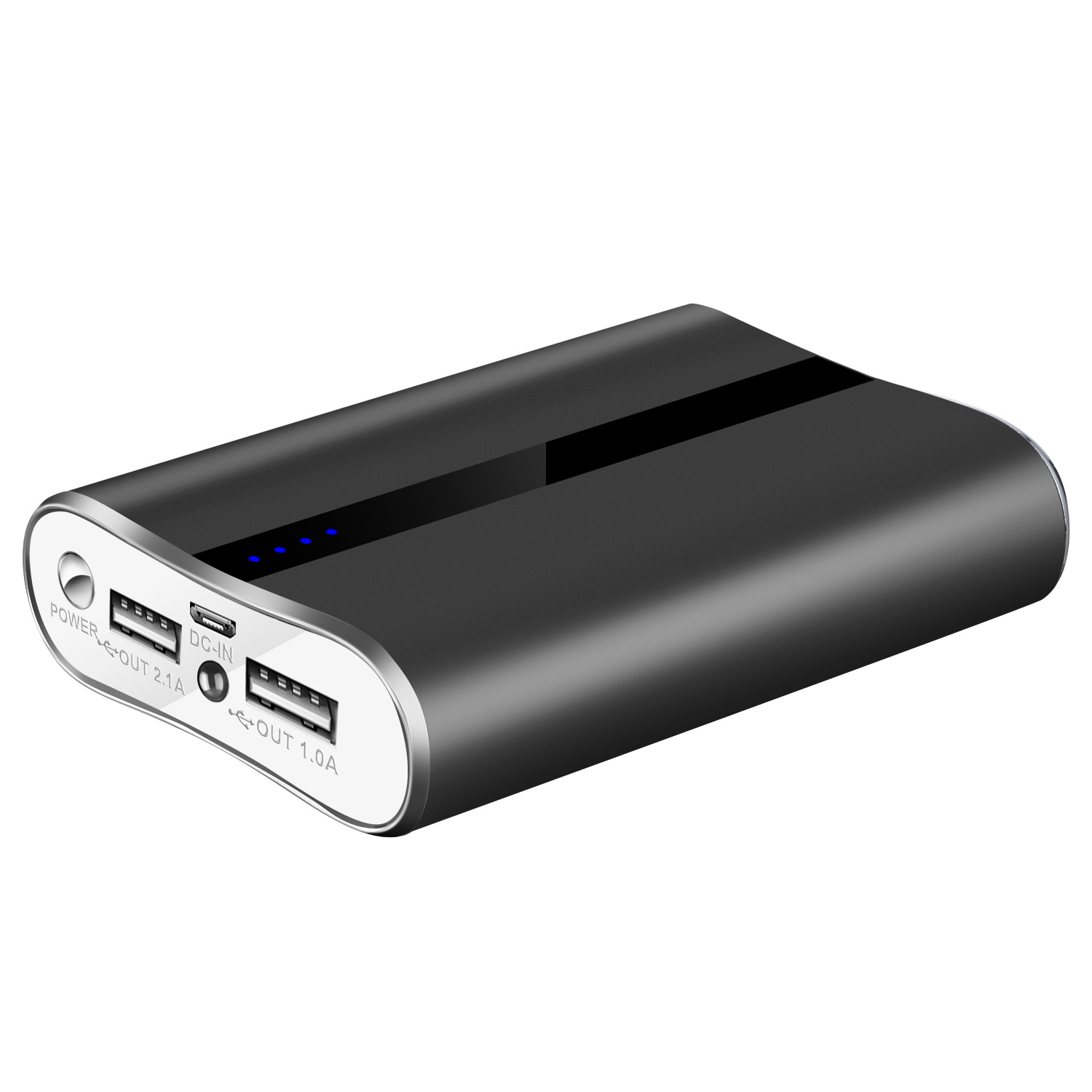 1Pc 12000mAh Portable Charger With Dual USB 3.1A Output Power Bank Ultra-Compact External Battery Pack Fast Charging$38.99View on Mallflare
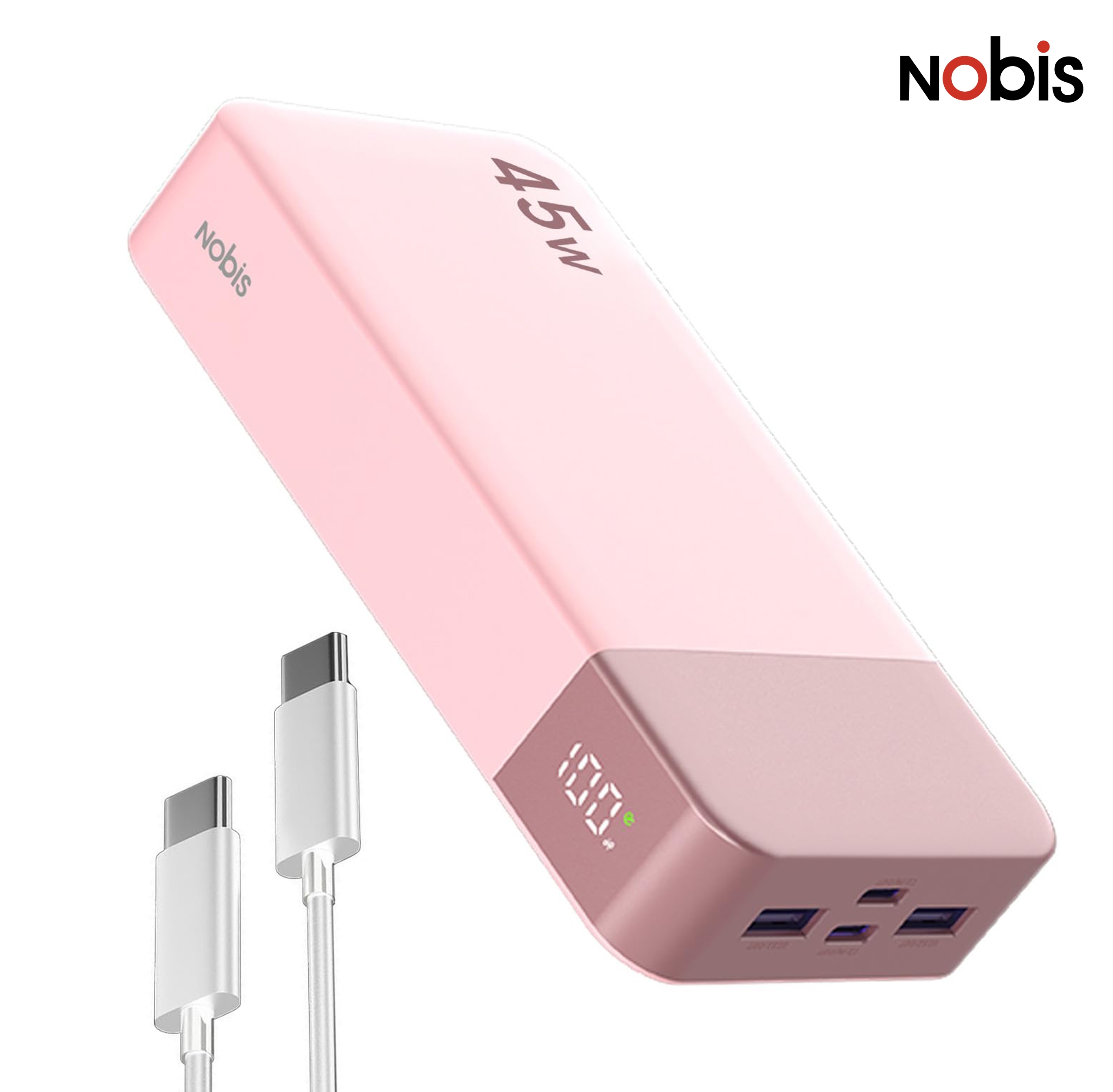 20000mAh Power Bank 45W PD USB-C Fast Charging Portable Charger, Multi Port Output Travel Large Capacity External Battery With Digital LED Display, Compatible Phone And Other USB Enabled Devices$38.99View on Mallflare
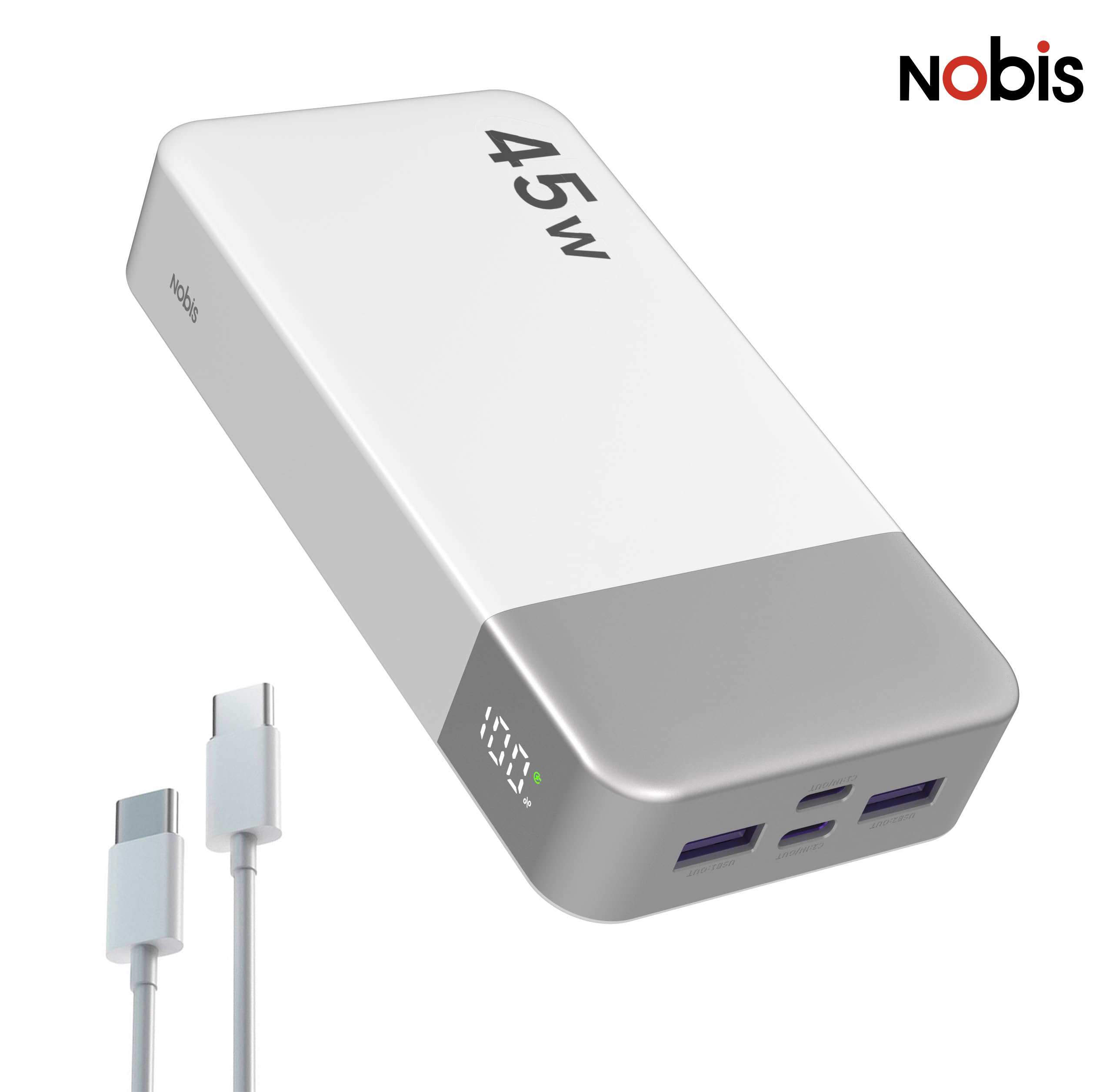 20000mAh Power Bank, 45W PD 3.0 Fast Charging Compact Travel Portable Charger External Battery With Smart Digital Display, Trickle Mode, Wide Compatibility For Smartphones, Tablets$38.99View on Mallflare
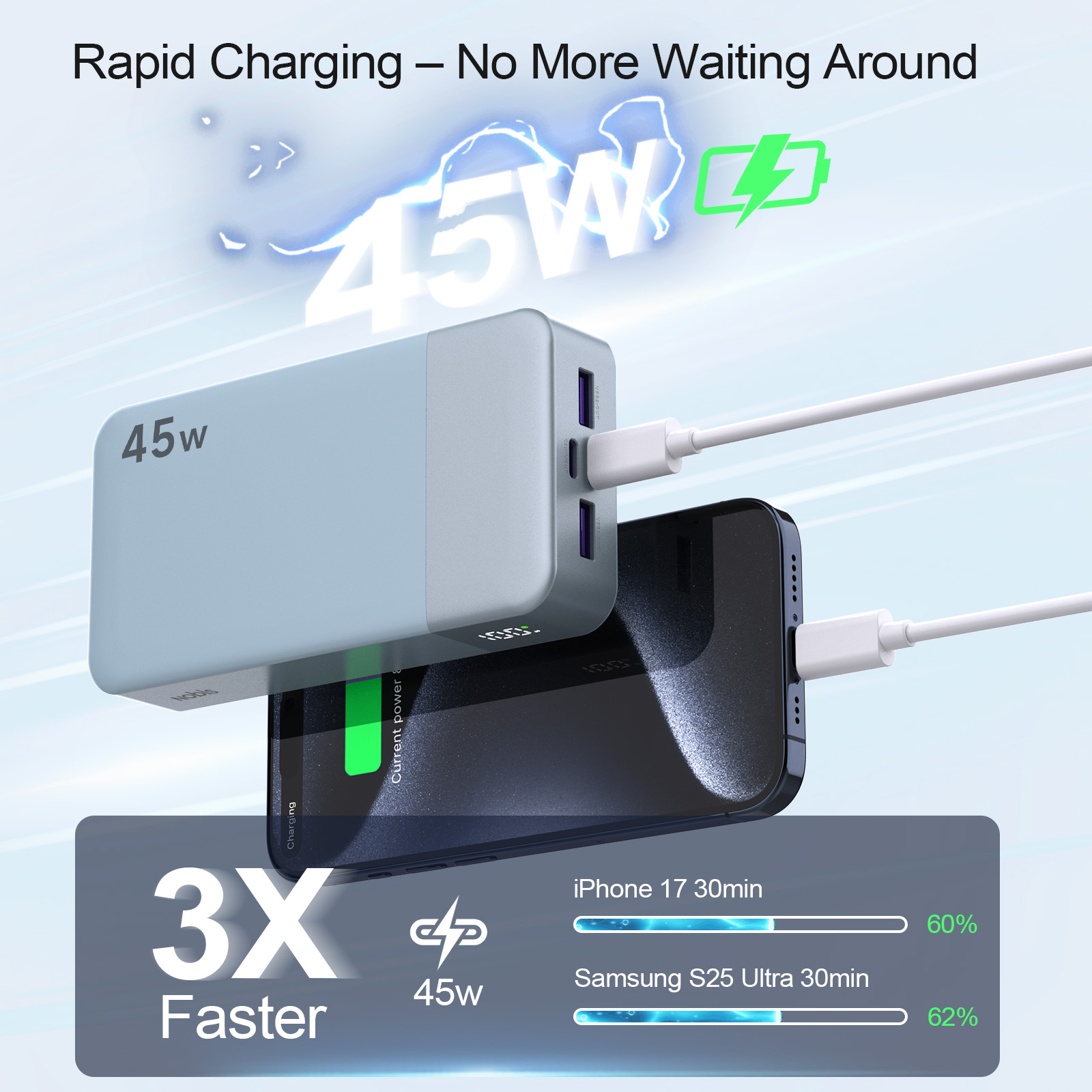 N OBIS 45W Fast Charging Power Bank 20000mAh Laotop Travel Essential Portable Cell Phone Charger With USB-C Input And Output$38.99View on Mallflare
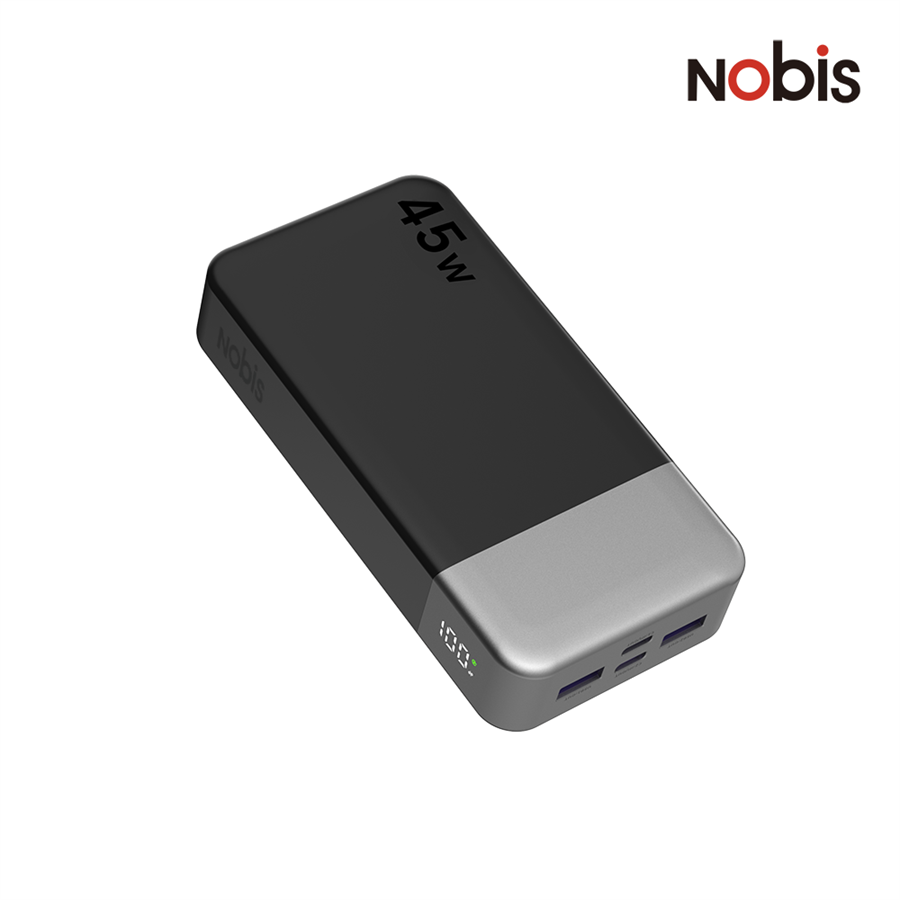 20000mAh Portable Charger High Capacity External Battery 45W PD 3.0 Fast Charging Travel Power Bank With Smart Digital Display And Trickle Mode For Mobile Phone, 2 USB-C And 2 USB-A Ports$38.99View on Mallflare
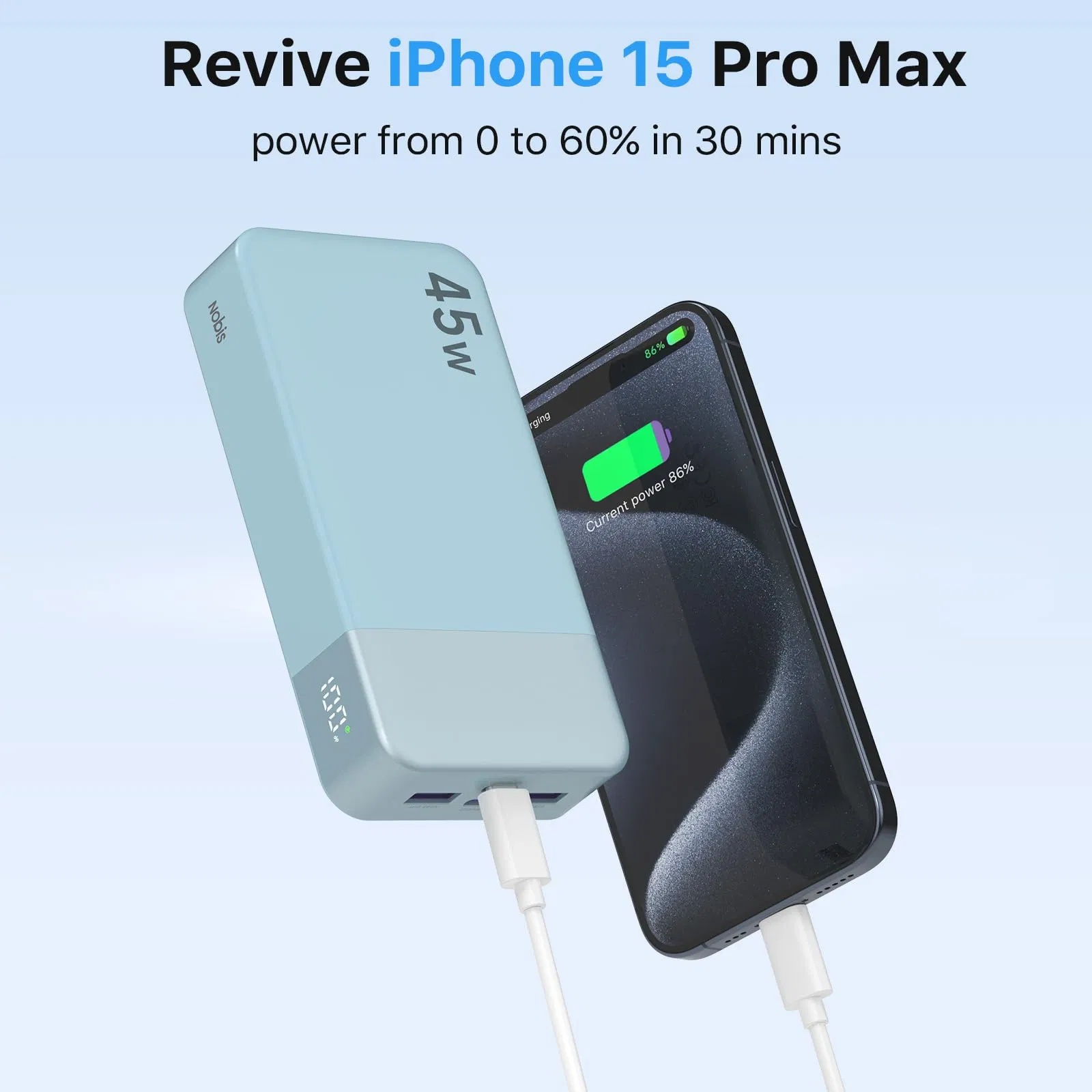 NOBIS 45W Fast Charging Power Bank 20000mAh Laotop Travel Essential Portable Cell Phone Charger With USB-C Input And Output$40.99View on Mallflare
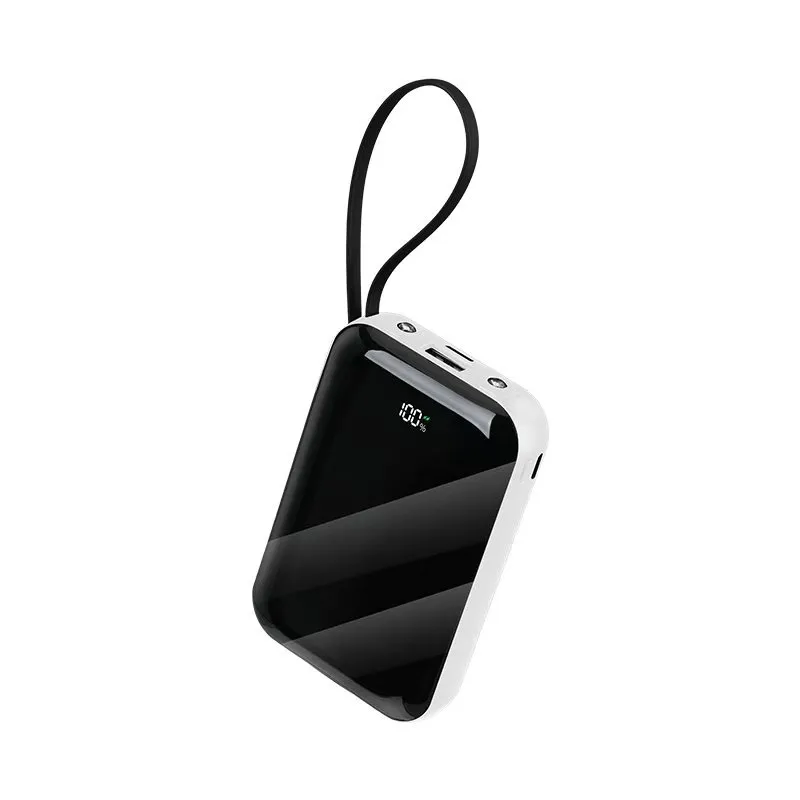 All-in-one charging companion, power bank. Suitable for multiple scenarios. Portable with capacities, fast wireless options. Strong safety protection, compatible. Essential$40.99View on Mallflare
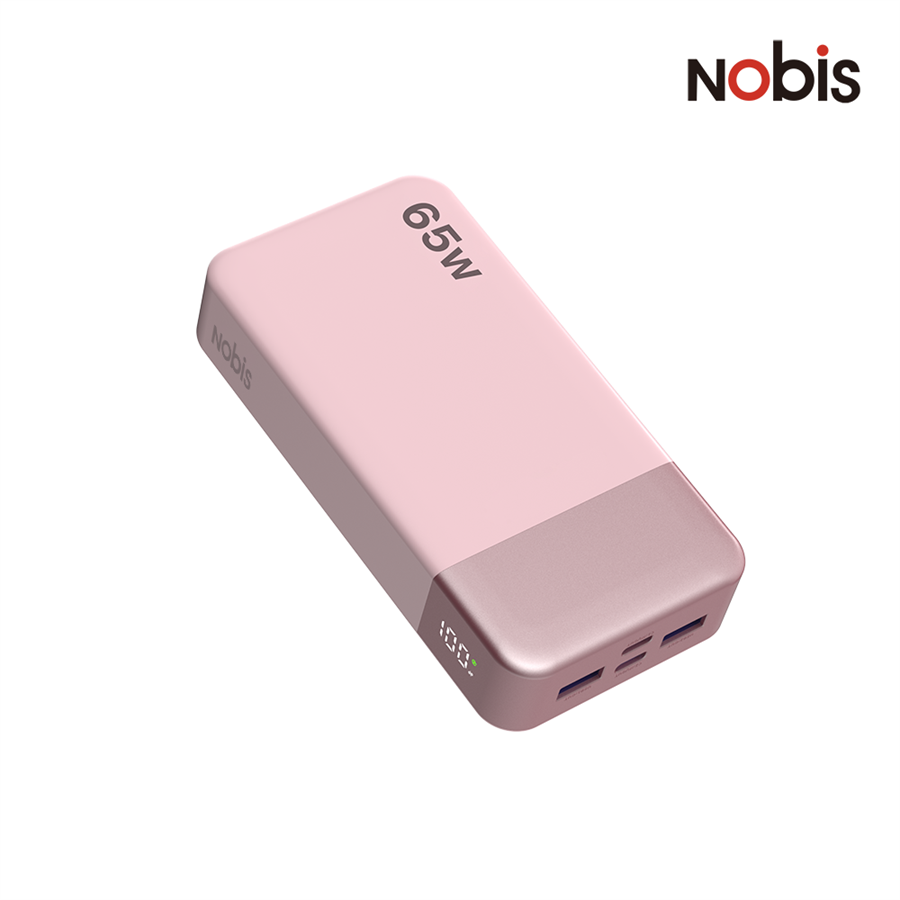 NOBIS 20000mAh Portable Charger High Capacity External Battery 65W PD 3.0 Fast Charging Travel Power Bank For Laptop And Mobile Phone, 2 USB-C And 2 USB-A Ports, Digital Display & Low-current Mode$42.99View on Mallflare
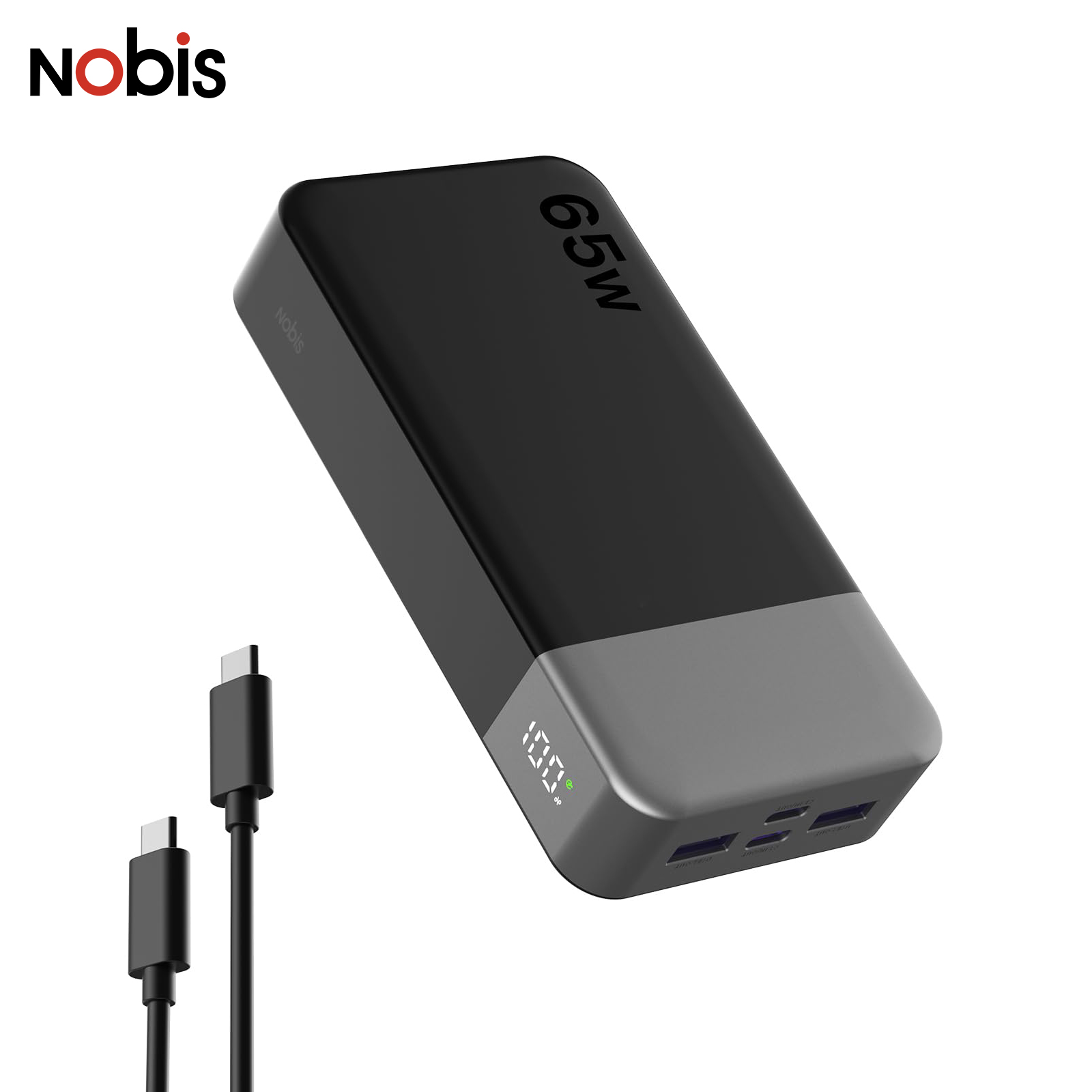 20000mAh 65W PD Portable Charger Power Bank, High Capacity USB C Fast Charging External Battery, Led Digital Display Support For Laptop, Cell Phones, Tablets$42.99View on Mallflare
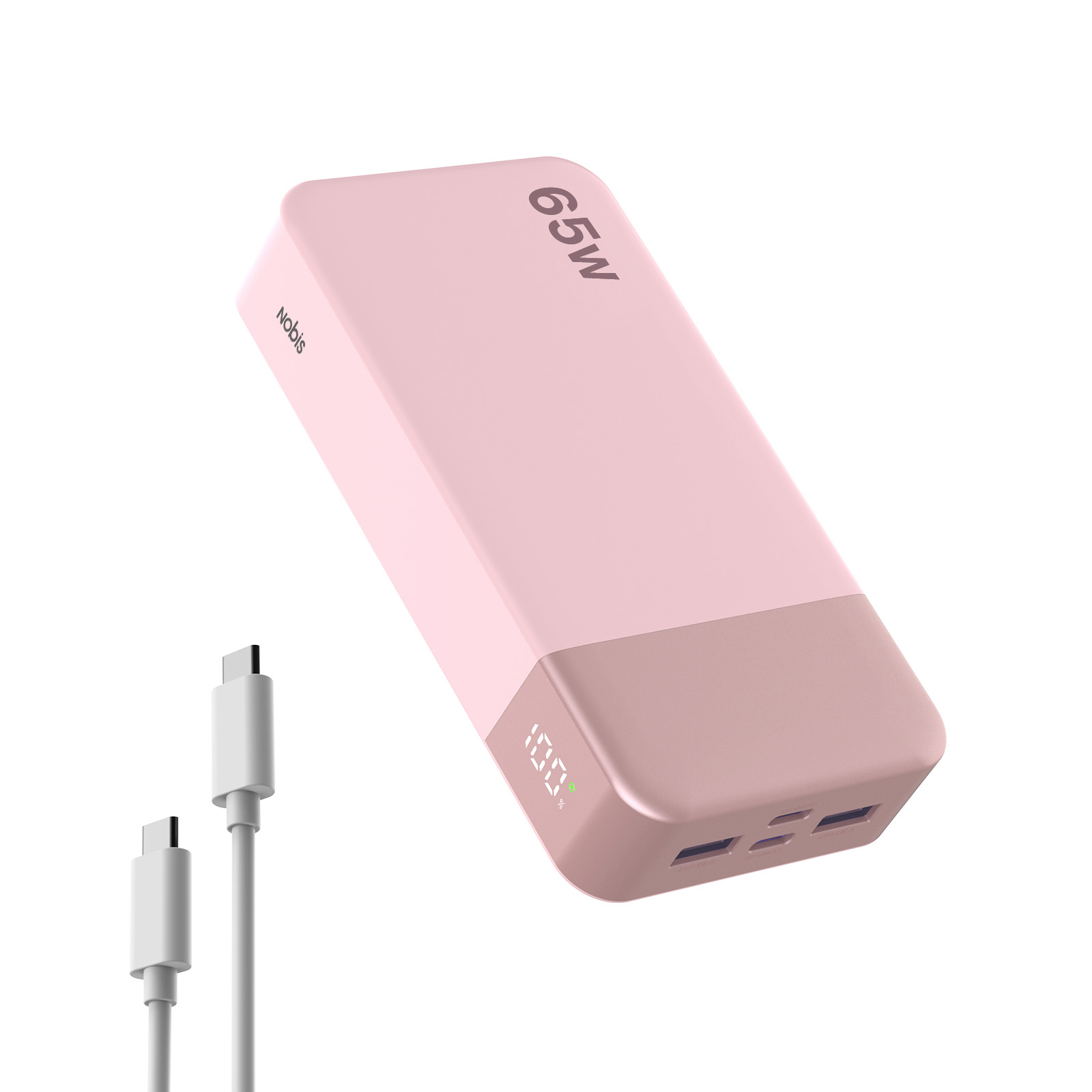 N Obis Portable Charger, 65W PD Fast Charging 20000mAh Type-C Small Compact Power Bank For Phone, Tablet, Laptop$42.99View on Mallflare
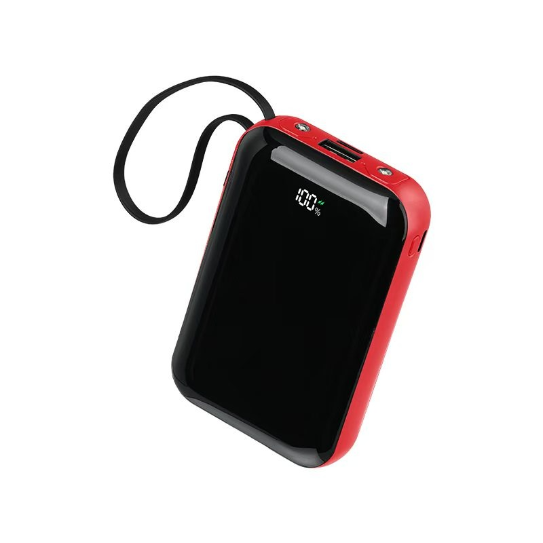 Universal Charging Companion Power Bank - Suitable For A Variety Of Scenarios, With Portability And Multiple Capacities, Fast And Wireless Are Optional$44.99View on Mallflare
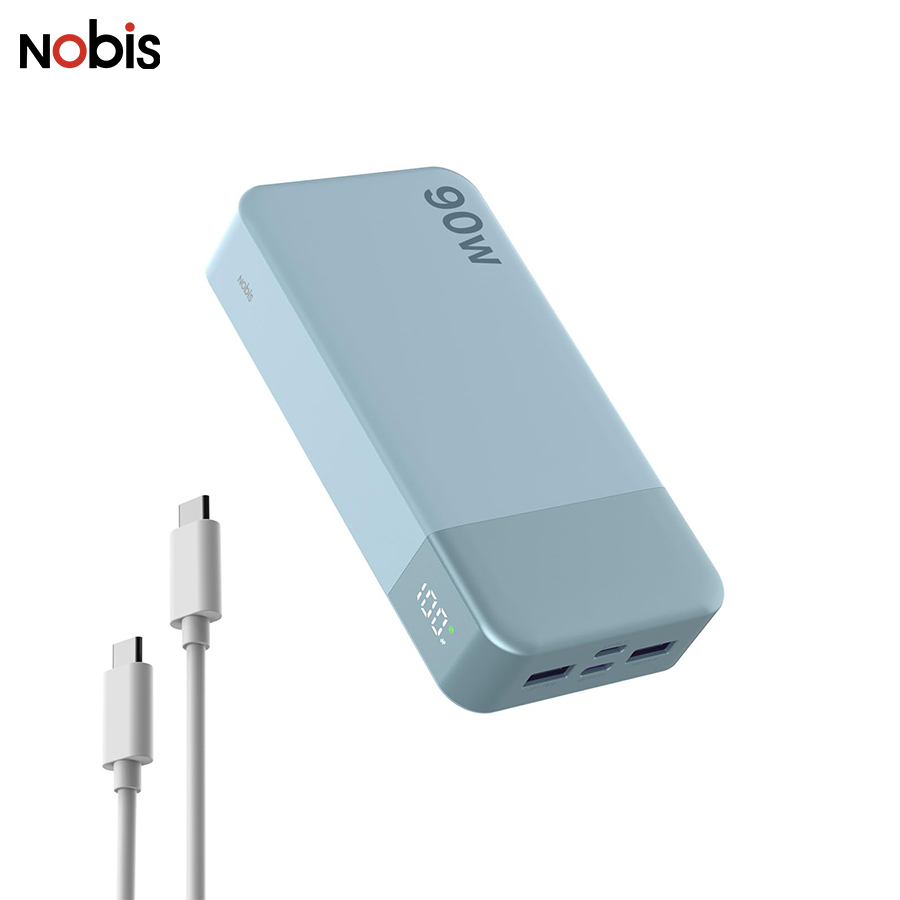 90W USB-C PD Fast Charging 20000mAh Large Capacity Portable Charger Power Bank, External Battery Pack With Digital LED Display, Support Charge Smartphone, Tablet, Laptop, Phone$46.99View on Mallflare
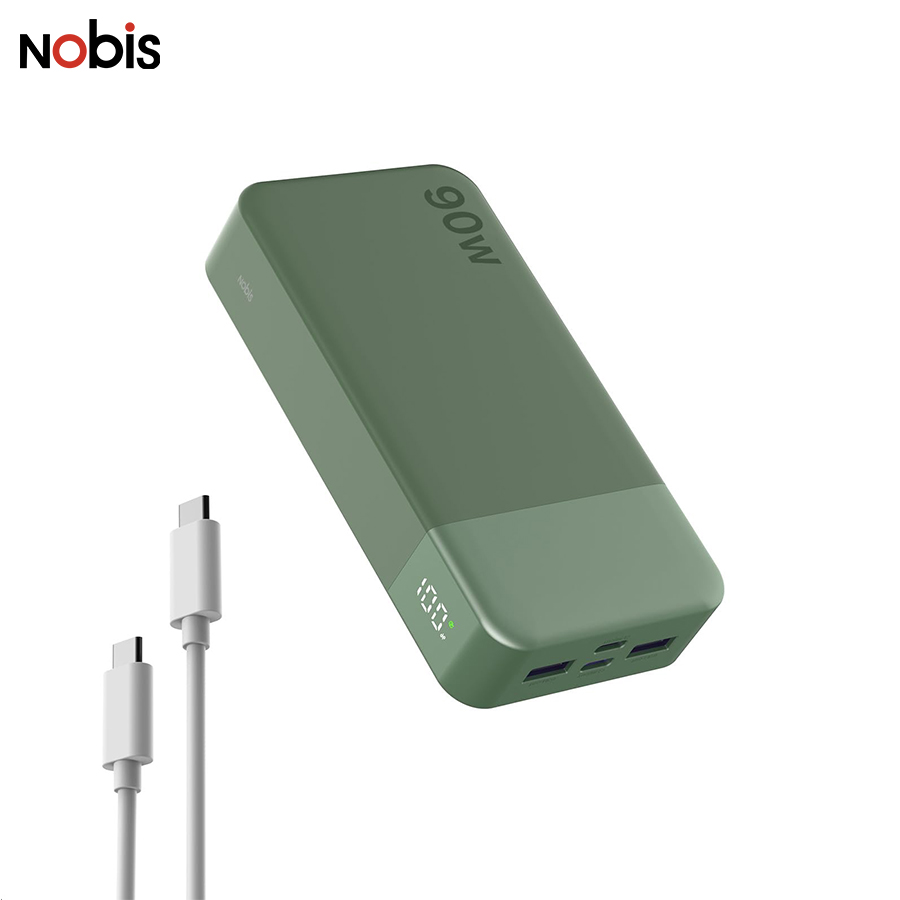 20000mAh Portable External Battery Pack Power Bank, 90W PD USB C High Speed Fast Charging Powerbank, Multi-Port Output For Simultaneous Smart Digital Display, For Laptops And Phones$46.99View on Mallflare
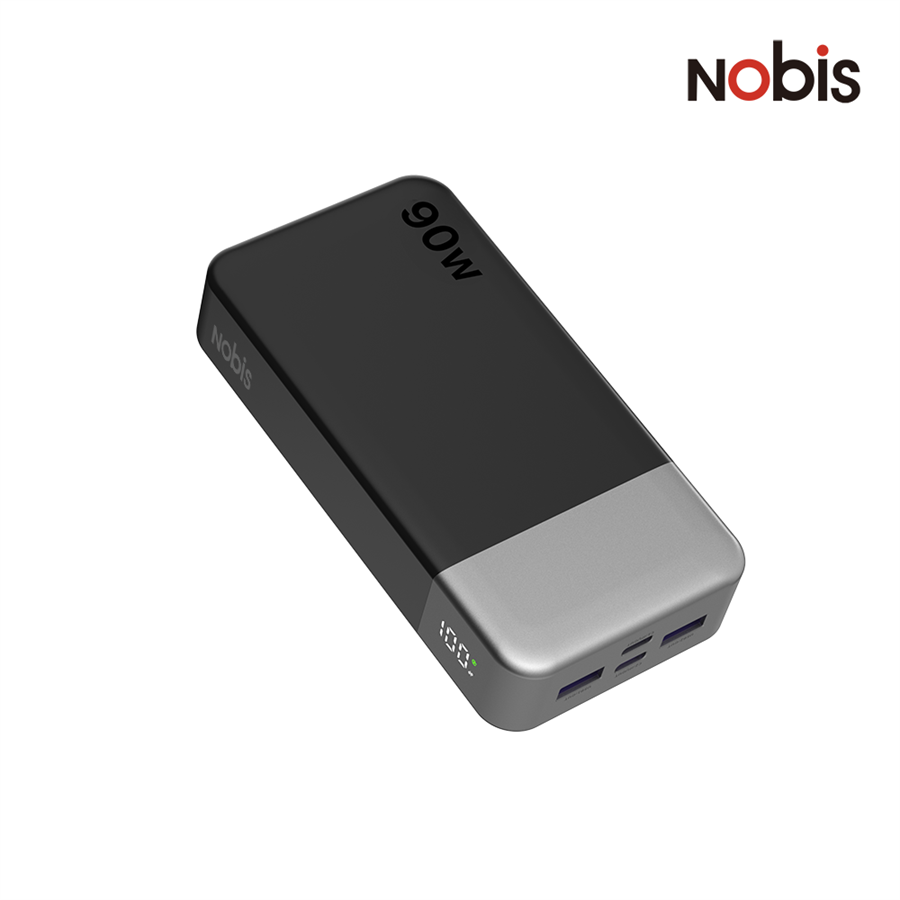 20000mAh Powerbank 90W Fast Charging Portable Charger Power Bank With Smart LED Display & Low-Current Mode, Works USB-C Laptops, Notebooks, Tablets, Handheld Game Consoles, Drones, And Phones$46.99View on Mallflare
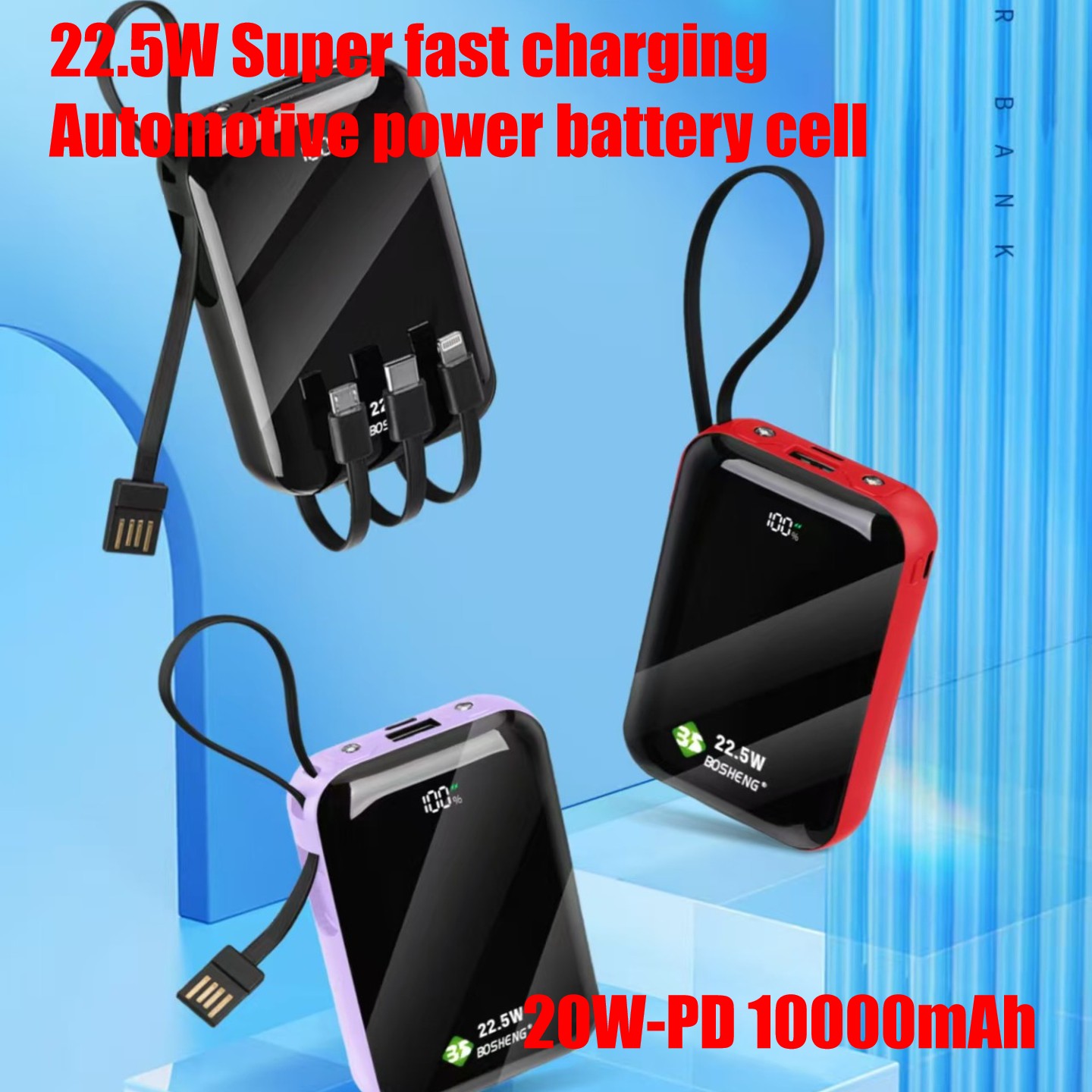 Portable Fast Charging Wireless Power Bank Multi-Capacity Safety Protection$72.99View on Mallflare
Highlights
- PD 3.0 / PPS output is the standard for 20W iPhone and 25W+ Samsung charging; 45W PD covers tablets, 65W-100W PD is required for USB-C laptops.
- Capacity-to-wattage pairing: 20,000mAh cells realistically deliver ~12,000-14,000mAh usable at 5V, and 65W+ output needs 20,000mAh to avoid voltage sag and heat.
- Cell type decides durability: lithium-polymer (pouch) is lighter and thinner, while 21700/18650 cylindrical cells resist swelling and hold up better under repeated 45W+ discharge.
- Shell material affects heat and longevity: aluminum or metal housings dissipate 45-100W conversion heat better than plastic, while carbon-fiber-look plastic is cosmetic only.
Best use cases
- Phone-only commuters and travelers: pick a 10,000mAh 20W PD bank with USB-C input/output; skip 65W+ units that add weight and cost for no phone benefit.
- Tablet and handheld-console users: choose 20,000mAh at 30-45W PD with at least two output ports; skip sub-10,000mAh banks that deliver barely one full tablet charge.
- Laptop and camera users on the move: buy 20,000mAh at 65W-100W PD with PPS and a digital display; skip banks below 45W, which will not sustain laptop charging under load.
Buying tips
- Size by charge math: 10,000mAh gives roughly 1.8-2.2 phone charges, 20,000mAh roughly 3.5-4.5, so choose capacity from full-charge counts, not headline mAh.
- Match wattage to the device's max input: 20W for iPhone, 25-45W for Samsung/tablets, 65W for most ultrabooks, 100W for 16-inch laptops — higher bank wattage is wasted if the device caps lower.
- Insist on USB-C PD 3.0 with PPS and USB-C input/output; micro-USB input banks recharge slowly and signal older architecture.
- Prefer banks with explicit protections (over-voltage, over-current, temperature cutoff) and a metal or V-0 flame-retardant shell; unlabeled generic cells are the main durability risk.
Specs
| Output Wattage | 20W phone / 45W tablet / 65-100W laptop |
|---|---|
| Protocol | USB PD 3.0 + PPS, QC 4+ |
| Capacity | 10,000 / 20,000mAh (74Wh carry-on) |
| Cell & Shell | Li-polymer or 21700; metal vs plastic |
Related searches
What to check before buying
- Calculate required charges: divide your device battery mAh by 1,000-1,200 usable efficiency to pick 10,000 vs 20,000mAh.
- Confirm your device's max PD wattage from its spec sheet so bank wattage is not oversold or undersized.
- Check airline carry-on rules: 20,000mAh (~74Wh) is under the common 100Wh limit; 27,000mAh+ requires airline approval.
- Verify port mix: at least one USB-C PD in/out plus USB-A for legacy accessories; add a 60W+ USB-C cable for full-speed 65W+ charging.
FAQ
Data sources: eBay / Amazon listings and product attribute feeds. Updated Nov 29, 2026.
Some links on this page are affiliate links. If you buy after clicking one, we may earn a commission at no extra cost to you. This does not change which products appear here or their order. Affiliate disclosure.