
Photos from current listings. Actual item, color, and included accessories may vary.
1 4 Headphone Jack Buying Guide
A 1/4-inch headphone jack (6.35 mm) is the pro-audio standard found on studio gear, instrument amps, and DJ mixers, delivering a balanced or high-power unbalanced signal that 3.5 mm minijacks cannot match. The core trade-off is connector architecture: a true 1/4-inch plug built into full-size headphones offers lower contact resistance and strain relief, while adapters and inline dongles add failure points. The decision rule is simple: buy native 1/4-inch termination or a locking screw-on adapter from a reputable cable maker, and skip molded one-piece adapters that crack at the sleeve.
Median $9.99
Key takeaways
- A 1/4-inch jack carries the same signal as 3.5 mm but uses a 6.35 mm barrel with 2-3 conductors (TS mono, TRS stereo, TRRS rarely) for heavier cable and lower contact resistance.
- Studio headphones above roughly 80 ohms are usually terminated in 1/4-inch or ship with a screw-on adapter; low-impedance DJ and portable models often use 3.5 mm with a threaded adapter.
- Balanced 1/4-inch wiring (tip-ring-ring-sleeve) appears on pro monitors and headphone amps and rejects noise on long cable runs, but is not interchangeable with standard TRS jacks.
At a glance
- Category
- Audio & Headphones
- Last updated
- Nov 27, 2026
Current offers
 Headphones Wired Earphone White Headphones Earbuds 3.5mm Jack for Android iOS US$1.99Last checked Nov 22, 2026View on eBay
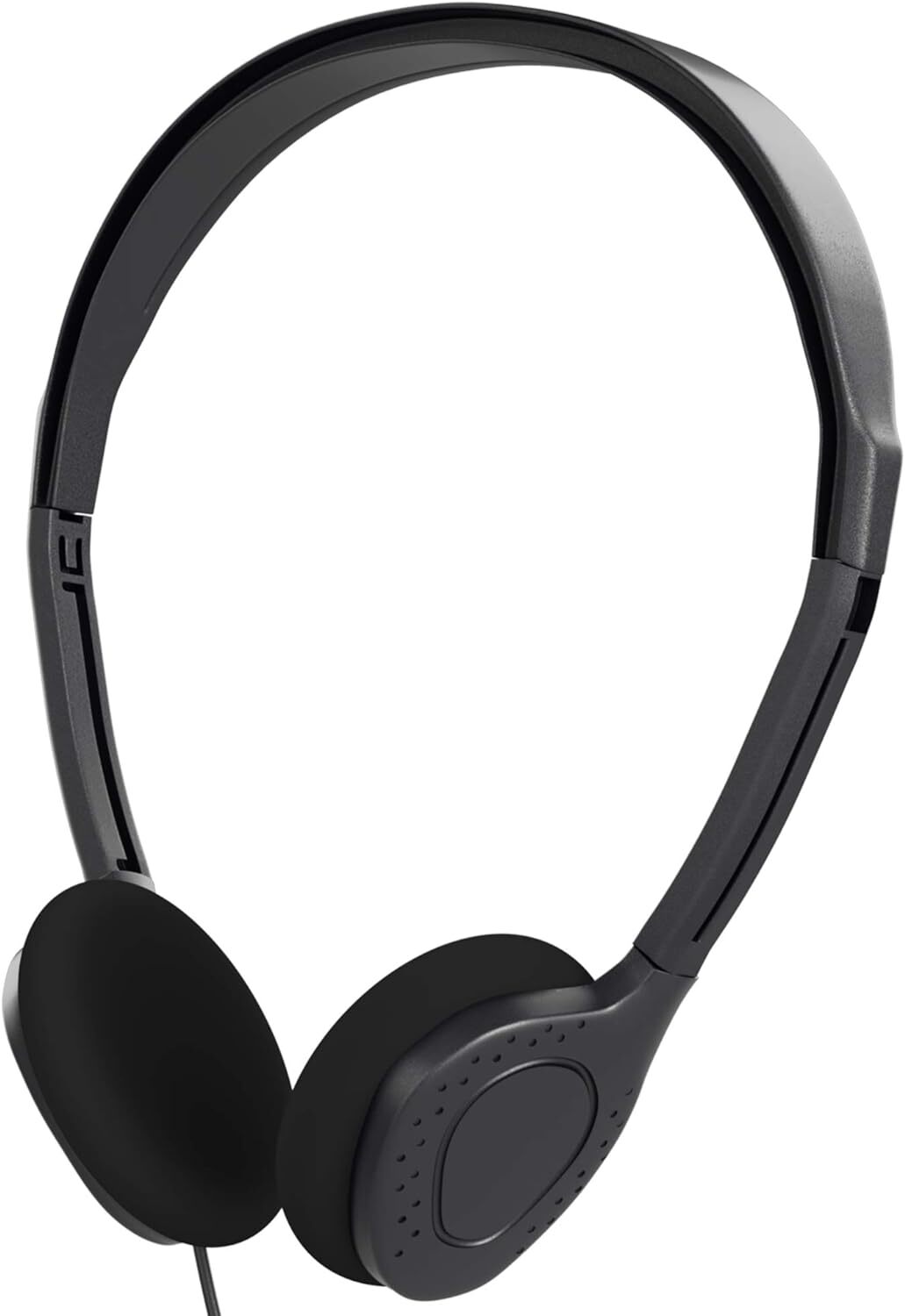 3.5 mm Jack Lightweight Wired On-Ear Stereo Headphones Black NEW Lot$9.99Last checked Nov 22, 2026View on eBay
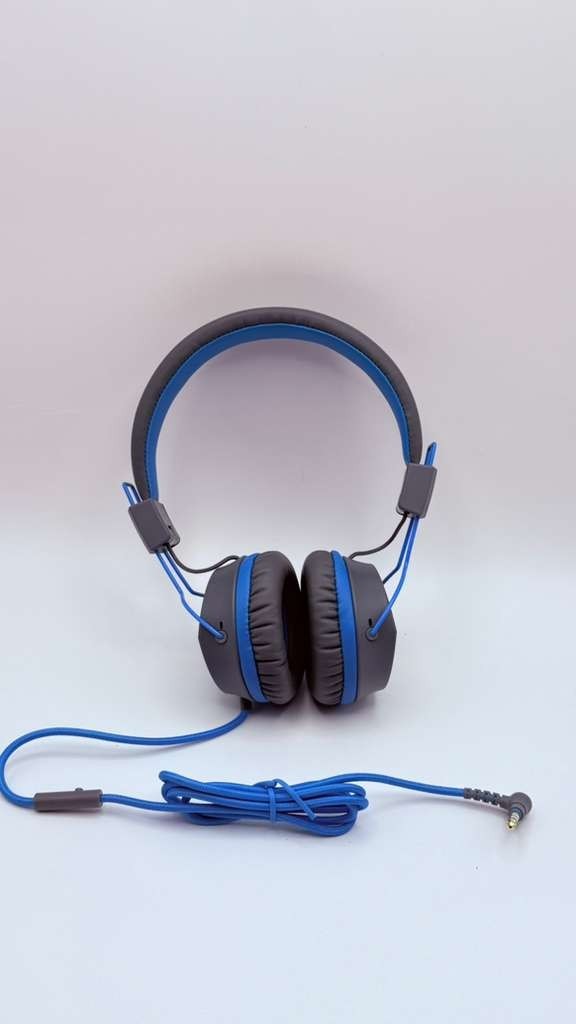 Wired Over Ear Headphones 3.5mm Jack Gray Blue Adjustable Stereo Headset$10.00Last checked Nov 25, 2026View on eBay
Highlights
- A 1/4-inch jack carries the same signal as 3.5 mm but uses a 6.35 mm barrel with 2-3 conductors (TS mono, TRS stereo, TRRS rarely) for heavier cable and lower contact resistance.
- Studio headphones above roughly 80 ohms are usually terminated in 1/4-inch or ship with a screw-on adapter; low-impedance DJ and portable models often use 3.5 mm with a threaded adapter.
- Balanced 1/4-inch wiring (tip-ring-ring-sleeve) appears on pro monitors and headphone amps and rejects noise on long cable runs, but is not interchangeable with standard TRS jacks.
- Adapter quality matters more than jack size: a solid brass or gold-plated screw-on adapter with a strain-relief boot outlasts molded plastic inline adapters that flex and crack.
Best use cases
- Best fit: home studio or hi-fi listener with a dedicated headphone amp or audio interface — pick headphones with native 1/4-inch plug or a locking screw-on adapter and skip inline dongles.
- Best fit: DJ or live performer on a mixer or controller — choose a 1/4-inch plug with a right-angle or coiled cable and a locking collar to survive constant plugging.
- Wrong fit: smartphone or laptop-only listener — a 1/4-inch jack needs a 3.5 mm source or a DAC/amp with a 1/4-inch output; skip the adapter-only route and buy a dongle DAC instead.
- Wrong fit: budget gaming headset user — most headsets use 3.5 mm TRRS; forcing a 1/4-inch adapter adds bulk and strain without any signal benefit.
Buying tips
- Match impedance before connector: headphones rated 80 ohms or higher benefit from a 1/4-inch plug and dedicated amp; below 32 ohms, a 3.5 mm plug with adapter is functionally identical.
- Choose a screw-on adapter with a knurled collar over a push-on type — the threaded collar prevents the adapter from staying in the jack when the cable is pulled.
- For cable replacement, specify 1/4-inch TRS with a 6.35 mm barrel, nickel or gold contacts, and a strain-relief boot at least 20 mm long to survive bending.
- Check whether the source jack is TS (mono) or TRS (stereo): a stereo TRS plug into a mono TS jack shorts one channel and drops audio to one ear.
Specs
| Connector Size | 6.35 mm (1/4 in) barrel |
|---|---|
| Contact Config | TS mono / TRS stereo / TRRS |
| Adapter Type | Screw-on locking vs push-on |
| Cable Strain Relief | Boot >= 20 mm, right-angle option |
Related searches
What to check before buying
- Measure your source output: confirm whether your amp, interface, or mixer has a 1/4-inch headphone output and whether it is TRS stereo or TS mono.
- Check headphone cable termination: buy native 1/4-inch or ensure the included adapter is screw-on with a locking collar, not molded.
- Verify plug depth and clearance: right-angle 1/4-inch plugs need about 30 mm behind the jack; straight plugs need 50 mm of open space.
- Confirm voltage and plug standard for gear: 1/4-inch is universal, but some pro interfaces use balanced TRS outputs that require balanced TRS headphones or adapters.
FAQ
Data sources: eBay / Amazon listings and product attribute feeds. Updated Nov 27, 2026.
Some links on this page are affiliate links. If you buy after clicking one, we may earn a commission at no extra cost to you. This does not change which products appear here or their order. Affiliate disclosure.